
Government will seek “balance” if states do not hold back diesel prices, says Treasury
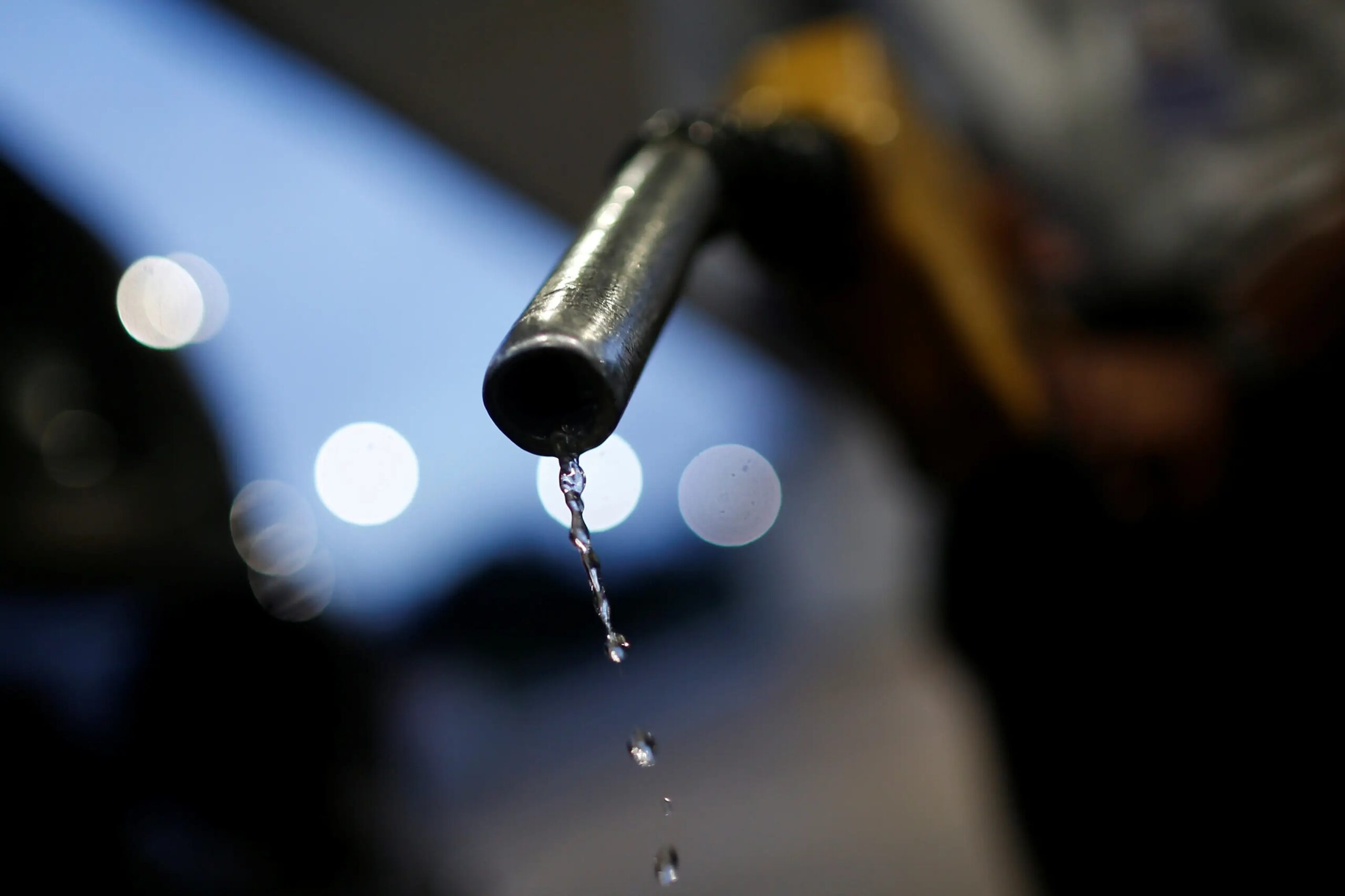
In his first press conference in office, the Secretary of the National Treasury, Daniel Cardoso Leal, indicated that the government must insist on sharing costs with the states to contain the rise in diesel, amid the impasse in negotiations over the fuel subsidy model. Leal stated that the strategy will continue to be based on fiscal balance and signaled that the Union should not alone bear the impact of measures to reduce prices.
— A proposal was taken to the states, if it is not accepted there will certainly be discussions on what the possible solutions would be, always with the assumption of a balance of fiscal sustainability. I don’t believe that the federal government will be willing to pay the entire ICMS, but there will certainly be some balance — said the secretary, commenting on the ongoing discussions within the Ministry of Finance.
53.3% say that Lula does not deserve a new term, points out Paraná Pesquisas
Rejection grows and the majority arrives; support is strongest in the Northeast
Lula sets up a centrist ticket for the Senate in SP in search of the two vacancies in dispute
The President was optimistic about securing two seats in the Senate, but the PT only elected two allied senators in the state in alternating elections
The speech comes at a time of uncertainty in negotiations with the states. Last week, Finance secretaries met with the department’s executive secretary, Rogério Ceron, but did not reach a consensus on the government’s proposal.

According to the model under discussion, the Union and states would share a subsidy of R$1.20 per liter of imported diesel, R$0.60 for each side. The Union would make the direct transfer to importers and, subsequently, compensate the amounts owed by the states, possibly through the State Participation Fund (FPE).
The proposal faces resistance from governors, who allege a lack of fiscal space to give up revenue.
Although the measure does not require unanimity, the economic team assesses that partial adherence could make it difficult to operationalize the subsidy.
Given the impasse, the states must inform the federal government this Monday whether they agree to join the proposal. The decision had been postponed after a meeting lasting around six hours last Friday, marked by strong divisions among participants.
Even without a guarantee of broad support, the government intends to issue a provisional measure in the coming days to make the subsidy viable. The plan foresees a temporary duration, until the end of May, and a total cost estimated at around R$3 billion, divided between the Union and states.
The initiative takes place amid the strong rise in diesel prices, which have already risen by more than 20% since the beginning of the escalation of the conflict in the Middle East, according to data from the National Petroleum Agency (ANP). The increase in prices has put pressure on transport costs and worries the government about the potential impact on inflation.
Leal stated that, if the current proposal does not move forward, new alternatives could be discussed within the economic team.
Previously, the reduction of ICMS was discussed, which represents one of the main sources of state revenue, representing between 20% and 30% of revenues, which has made adherence to the model difficult.