
RJ: Castro trial ruling is concluded and does not stipulate whether the election will be direct
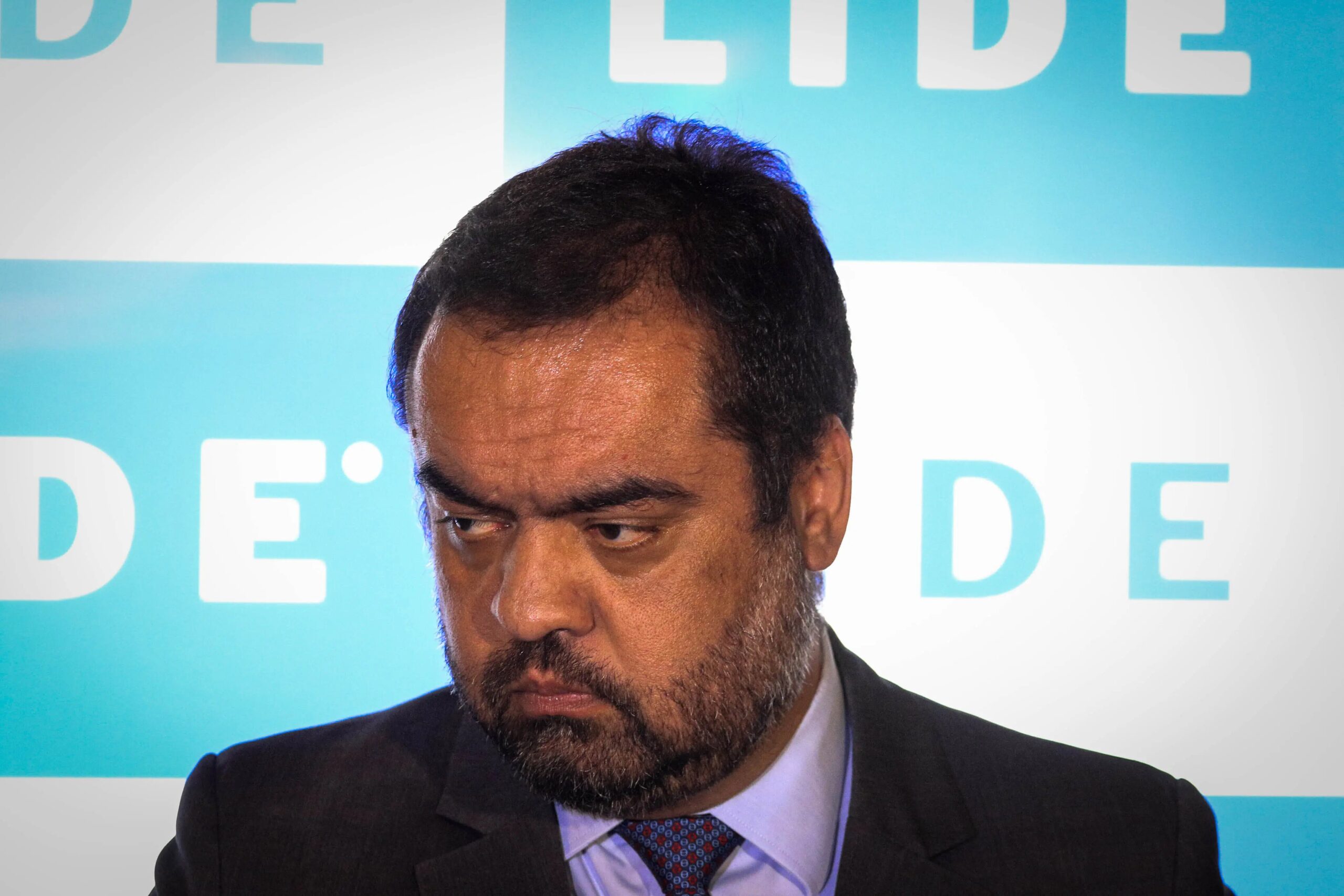
The ruling by the Superior Electoral Court (TSE) of the trial that made the former governor of Rio Cláudio Castro (PL) ineligible has already been concluded and does not stipulate whether the election for the buffer mandate in command of the state should be direct or indirect, a topic that is under discussion in the Federal Supreme Court (STF).
The Court is still waiting for the finalization of internal procedures to be published, according to court interlocutors. The tendency is for this to happen in the coming days.
The ruling brings together the main points of the trial and the conclusions reached by the panel based on the votes of the seven members.

Rio court overturns ban on Buser and validates collaborative charter
With the decision, the collegiate reformed the first instance sentence that had declared the service illegal and prohibited its continuation in Rio da Janeiro
Acting governor in Rio suspends hiring of secretaries for 30 days
The decision was published in the Official Gazette this Friday. Specific needs and emergency situations will have hiring submitted to judge Ricardo Couto
The publication is expected because the STF judgment on the format of the election was suspended by Minister Flávio Dino, who requested a review claiming that it would be necessary to have access to the details of the TSE’s decision.
When interrupting the analysis, Dino stated that he intended to wait for the “consummation” of the TSE decision to verify, among other points, whether the Electoral Court had faced the hypothesis of fraud in the resignation and whether it had deliberated on the revocation of the diploma or just the mandate.
Castro resigned on the eve of the resumption of the trial in which he would be convicted 5 to 2 for abuse of political and economic power. Opponents saw the movement as a maneuver to avoid impeachment and claim that the early departure, before the end of the limit for disqualifying the position, was a way of circumventing the electoral law and avoiding the formal declaration of loss of mandate. The PSD, the party of former Rio mayor Eduardo Paes, used this argument to call the STF and defend that the election be direct, that is, with the popular vote.
As of publication, the STF deadline for possible appeals will be reopened, and the STF will be able to decide when to resume the trial. The Supreme Court expects that the publication of the text will help to define the legal scenario to be examined.
Castro’s conviction for an electoral crime in the 2022 campaign left him ineligible until 2030, that is, eight years from the date the case occurred. Rio has not had a vice-governor since May 2025, when Thiago Pampolha resigned to take up a vacancy at the State Court of Auditors (TCE-RJ).
The legal discussion about whether or not to lose the mandate is central in defining the model for choosing the buffer mandate. Understand below
The law establishes that the election is direct if the vacancy in the position occurs for an “electoral reason”, such as a revocation for an electoral crime, more than six months before the end of the term.
In the event that, more than six months before the end of the term, the positions are vacant for a non-electoral reason, the states have the autonomy to define the format. The Legislative Assembly of Rio (Alerj) approved a law determining that the choice be made by the state deputies themselves in this case, which is also under debate in the STF
Scenario in the STF
So far, there are four votes in favor of the indirect election: ministers Luiz Fux, Cármen Lúcia, André Mendonça and Nunes Marques. Minister Cristiano Zanin took a popular vote. In previous demonstrations, while the matter was still being debated in the virtual plenary, ministers Flávio Dino, Gilmar Mendes and Alexandre de Moraes had also positioned themselves in favor of direct elections.
The divisive scenario maintains expectations about Minister Dias Toffoli’s vote and increases pressure on the president of the STF, Edson Fachin. In the event of a tie, he will have the tie-breaking vote. The possibility of the Supreme Court waiting for the inauguration of the new minister, Jorge Messias, whose hearing in the Senate is scheduled for the 29th, before concluding the trial, is also not ruled out.
While the trial at the STF is ongoing, a Zanin injunction remains in force suspending the state law that provides for indirect elections and determining that the position of governor be occupied on an interim basis by the president of the Court of Justice of Rio (TJ-RJ), judge Ricardo Couto.
Why was Castro convicted?
Castro was convicted of improper use of the structure of the Ceperj Foundation and the State University of Rio de Janeiro (Uerj) to hire electoral canvassers, with the distribution of positions and public resources to increase political support during the electoral period.
— I have no doubt about Governor Cláudio Castro’s participation in the irregularities at Ceperj. The atypical and excessive hiring of staff is demonstrated. The intentional manipulation of the state administrative machinery with the use of programs and servers to consolidate political support and obtain electoral benefits is evident, and this puts equality between candidates at risk and compromises the integrity of the electoral process, which is prohibited — said Cármen at the trial.