
OPEC: what is it, why does it exist and what is the impact of the UAE’s departure?
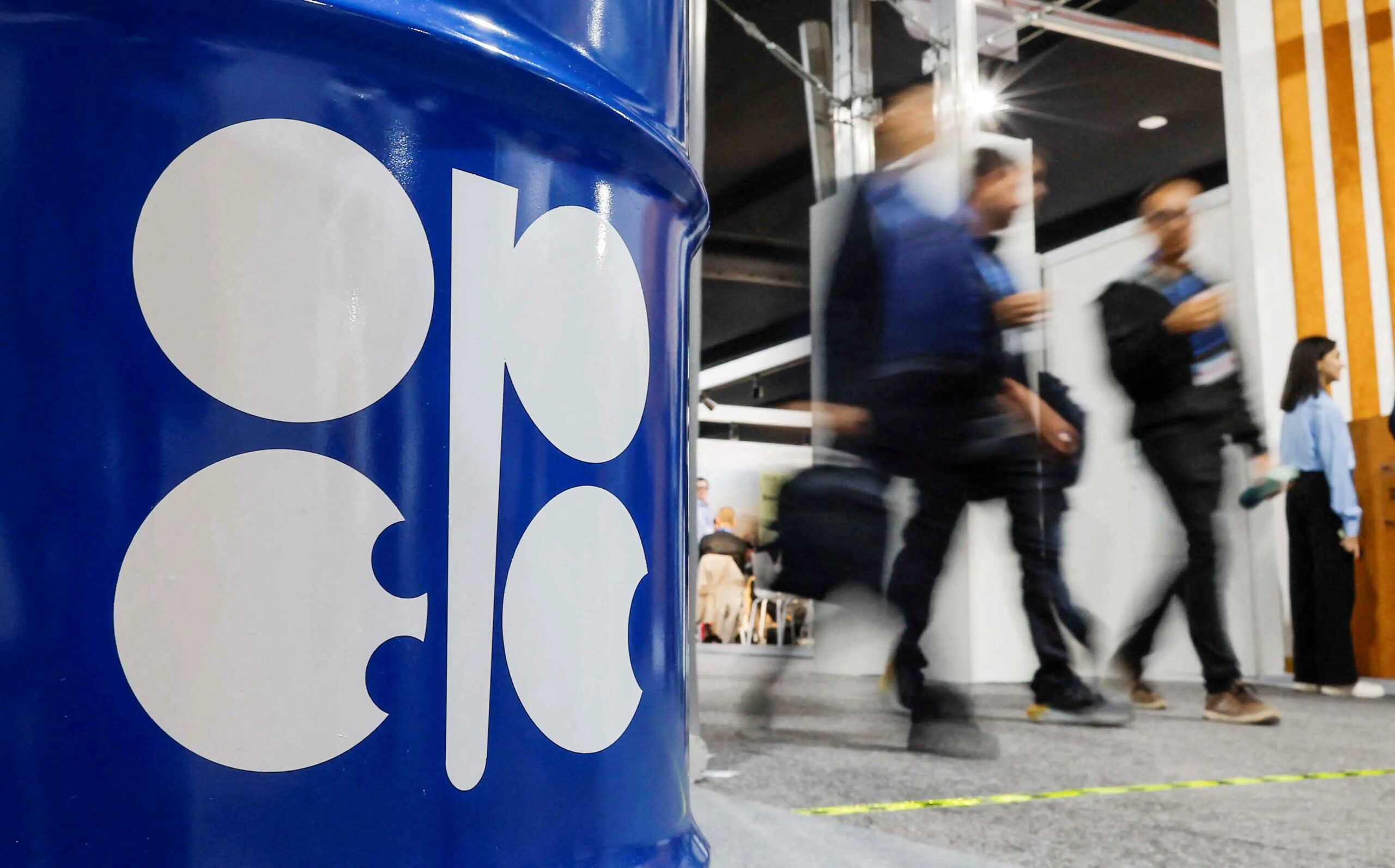
The OPEC oil cartel has long tried to control the price of oil by effectively controlling a large share of the world’s crude oil supply. But its influence has been waning for years.
On Tuesday, it suffered another severe blow when the United Arab Emirates announced that it will leave OPEC at the end of the week. Before the start of the war between the United States and Israel against Iran on February 28, OPEC countries accounted for more than a quarter of the world’s oil; with the departure of the Emirates, this share would fall to just above 20%.
Before the cartel was created almost 70 years ago, the global oil market was very different. Here’s how OPEC came to be and how it changed over time.
Oil closes higher with US-Iran standoff and Strait of Hormuz not opening imminently
The flow of energy through the Strait of Hormuz — which carries about a fifth of the world’s oil and liquefied natural gas — remains severely disrupted
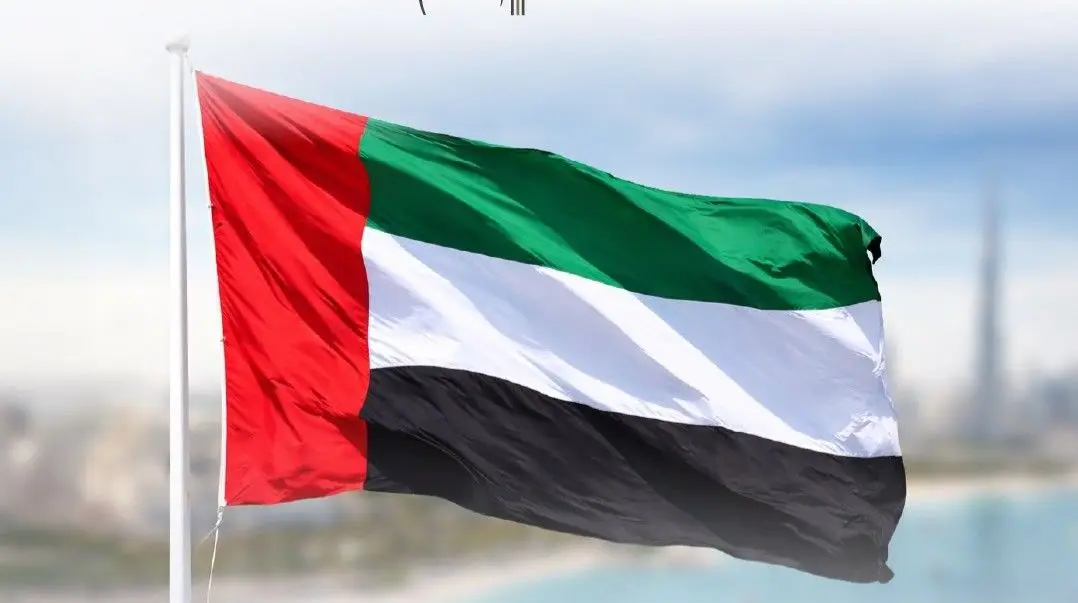
Arab Emirates outside OPEC weakens cartel? Who wins and who loses?
The country wants more freedom to increase production outside the constraints of the group, which stipulates quotas; Loss of cartel’s power to set oil prices meets Donald Trump’s wishes
What is OPEC?
The Organization of Petroleum Exporting Countries (OPEC) was created in 1960 as a way to control oil prices and stabilize global markets. It currently has 12 members, including the United Arab Emirates, and Saudi Arabia is its de facto leader.
The other members are Algeria, Congo, Equatorial Guinea, Gabon, Iran, Iraq, Kuwait, Libya, Nigeria and Venezuela. Together, these countries define production quotas and can intervene in moments of shock, increasing or reducing oil production.
This month, in response to the war’s impact on global energy supply and infrastructure, OPEC members announced they would raise production quotas by 206,000 barrels per day in May. But the move is likely to have little overall effect as the Strait of Hormuz — a crucial oil shipping route off Iran’s southern coast — remains largely closed.
By mid-March, countries in the Persian Gulf had withdrawn from operations around 10 million barrels of oil production per day, equivalent to approximately 10% of global supply, according to the International Energy Agency.
Why was it founded?
Before OPEC, another cartel effectively controlled global oil prices. The group, known as the “Seven Sisters”, brought together the predecessors of companies such as BP, Chevron, Exxon Mobil and Shell. Together, they controlled a huge portion of the world’s oil reserves.
“Oil-producing countries were kind of getting the short end of the stick with the oil companies that dominated the global oil system,” said Jeff Colgan, director of the Climate Solutions Lab at the Watson School at Brown University.
In September 1960, Iran, Iraq, Kuwait, Saudi Arabia and Venezuela created OPEC. “In the first decade, they did a lot of things, but with little economic impact,” Colgan said.
That would change.
OPEC’s swinging power
The 1970s were, in many ways, the height of OPEC’s influence. In October 1973, several cartel members in the Middle East imposed an oil embargo on the United States and other countries that supported Israel in that year’s Arab-Israeli war, also known as the Yom Kippur War. Oil prices soared, triggering a global energy shock.
“They’ve been very, very efficient in driving up the crude oil price and capturing a much larger share of oil revenues,” Colgan said. “But on the other hand, what they soon discovered in the 1970s is that they couldn’t control the price of oil as extensively as the Seven Sisters.”
Embargoed oil in 1973 represented about 7% of global consumption and targeted only a handful of countries.
Furthermore, according to Colgan, OPEC leaders were not always able to get members to meet established quotas.
“They have bargaining power at specific times; not all the time,” he said. “Basically, they gain strength when the market is tight — there is a lot of demand chasing little supply, like in times like these.”
During the coronavirus pandemic, oil prices fell sharply, and the American barrel briefly dipped into negative territory. OPEC and other producing countries reduced production enough for global prices to recover.
Membership and expansion
OPEC has undergone several organizational changes. The five founding members were joined by Qatar, which left the organization in 2019, apparently due to frustrations with Saudi Arabia’s dominance in the group. Other countries — such as Angola, Ecuador and Indonesia — have also left or suspended their participation. Some left and later rejoined the organization.
In 2016, the shale boom in the United States increased global oil supply, causing a sharp drop in prices. Seeking to regain space in the industry, OPEC began working together with other large producers to raise prices and revenues and stabilize government budgets.
That agreement, with Russia and other countries, led to coordinated action to cut oil production and was the basis of what came to be known as OPEC+, an alliance of producing countries that agreed to coordinate their production levels.
“One of the things we look at historically is what percentage of global oil supply OPEC represents,” said Pavel Molchanov, an industry analyst at Raymond James, an investment bank. “If we look at the 1970s, that was the peak of OPEC’s market power, because in that decade the organization accounted for more than half of global supply.” This share has since fallen as production has increased in other regions.
What lies ahead?
The closure of the Strait of Hormuz is a unique moment in the energy market, in which changes in supply have little impact on prices because a fifth of the world’s oil is, in practice, choked. And, even with the United Arab Emirates leaving OPEC, the group will continue to produce a relevant portion of the world’s oil.
“Now is not the best time to make predictions about OPEC’s long-term influence,” Molchanov said. “We must first reopen the Strait of Hormuz and only then think about the long-term impact of everything that has happened.”