
Fachin says that ‘Parliament and the Judiciary do not confront or replace each other’
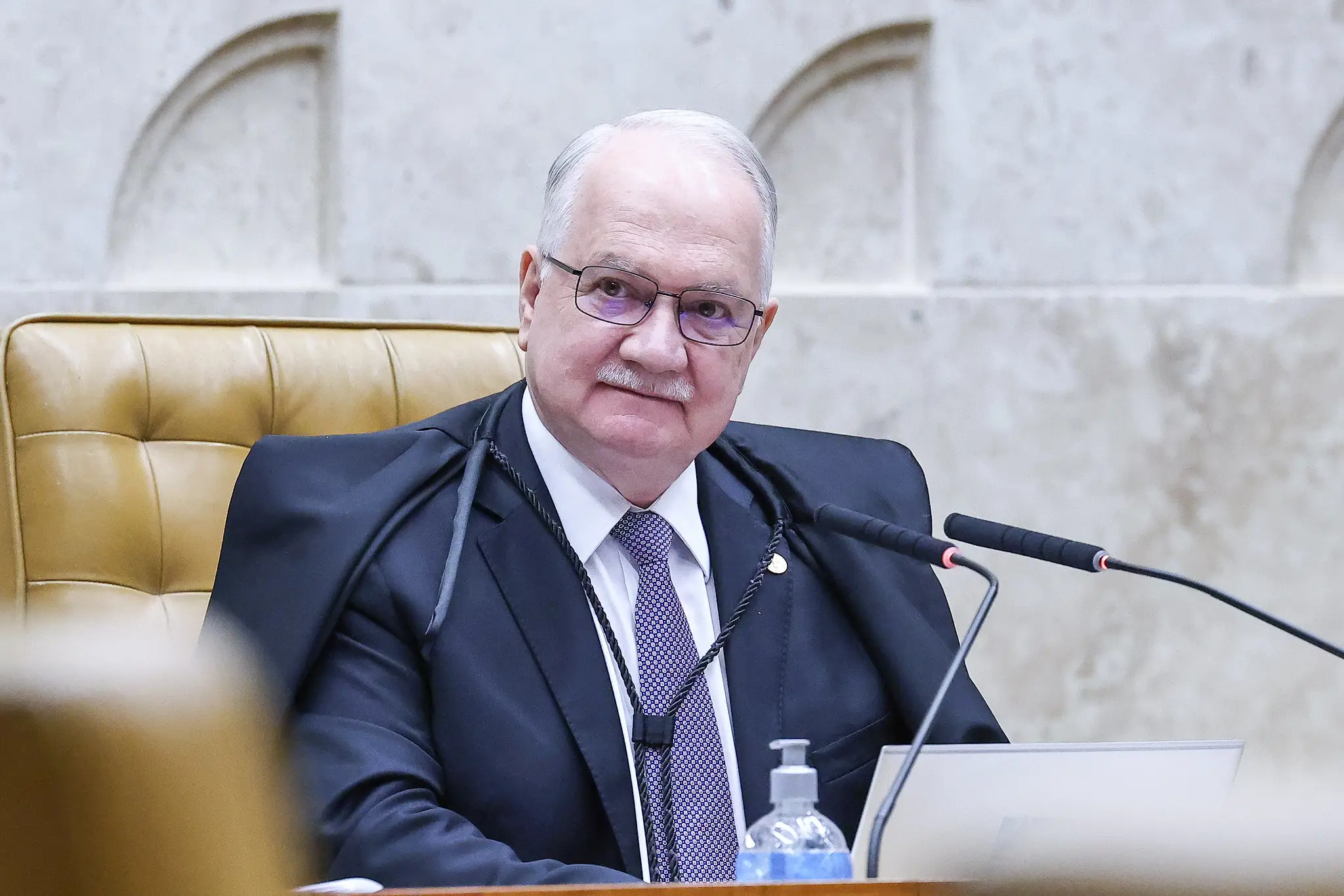
The president of the Federal Supreme Court (STF), Minister Edson Fachin, stated this Wednesday, 6th, that “Parliament and the Judiciary do not confront each other, they do not replace each other”, but “they support each other as independent to be legitimate and as harmonious to be effective”. The magistrate spoke during the solemn 200th anniversary session of the Chamber of Deputies.
“The Supreme Court, therefore, comes here to join this celebration with institutional respect, reaffirming its duty to protect the Constitution, to ensure the democratic space in which Parliament freely exercises the representation of the people,” said Fachin. “When trust wavers, the response must be greater than the doubt. The response must be impersonal, firm and republican”, he adds.
Decisions on royalties must be made in collaboration with other Powers, says Gilmar
The STF suspended the judgment of five lawsuits discussing the oil royalty distribution model. The analysis will resume this Thursday, 7

Understand the action in the STF that tries to annul Jorge Messias’ rejection in the Senate
Association questions vote that barred Lula’s nominee from the Supreme Court and cites possible violation of vote secrecy
On the occasion, the minister also reaffirmed his respect for the Legislative Power by stating that it is in the Chamber where “democracy thrives, where the plural will of the Brazilian people is expressed”. He also defended that “the State exists to serve. Never to serve itself. May this House continue to be the place where Brazil finds itself”, he declared.
The speech comes amid tension between the Judiciary and Congress. Senators and deputies have defended the impeachment of ministers and criticized the Court’s actions, mainly alleging the STF’s interference in Parliament’s work.
These criticisms intensified as links emerged between Supreme Court ministers and the Banco Master scandal. Furthermore, parliamentarians accused the ministers of interfering in the Organized Crime and INSS CPIs.
As Estadão showed, in the STF, the ministers demonstrate that they know that politicians are using criticism of the Judiciary as an electoral flag. The movement should help elect right-wing politicians this year to the National Congress and, possibly, to Planalto.
For 2027, it is expected that parliamentarians, whether or not strengthened by the Planalto, will prepare the impeachment of ministers. Or, at the very least, adopt measures aimed at reducing the court’s powers.
The intention of the members of the Supreme Court is to try to alleviate this movement a year earlier – either through the suggestion of reform of the Judiciary, or through Fachin’s plan to approve a code of ethics for the Court.