
Who is Kassio Nunes Marques, new president of the TSE in the 2026 elections
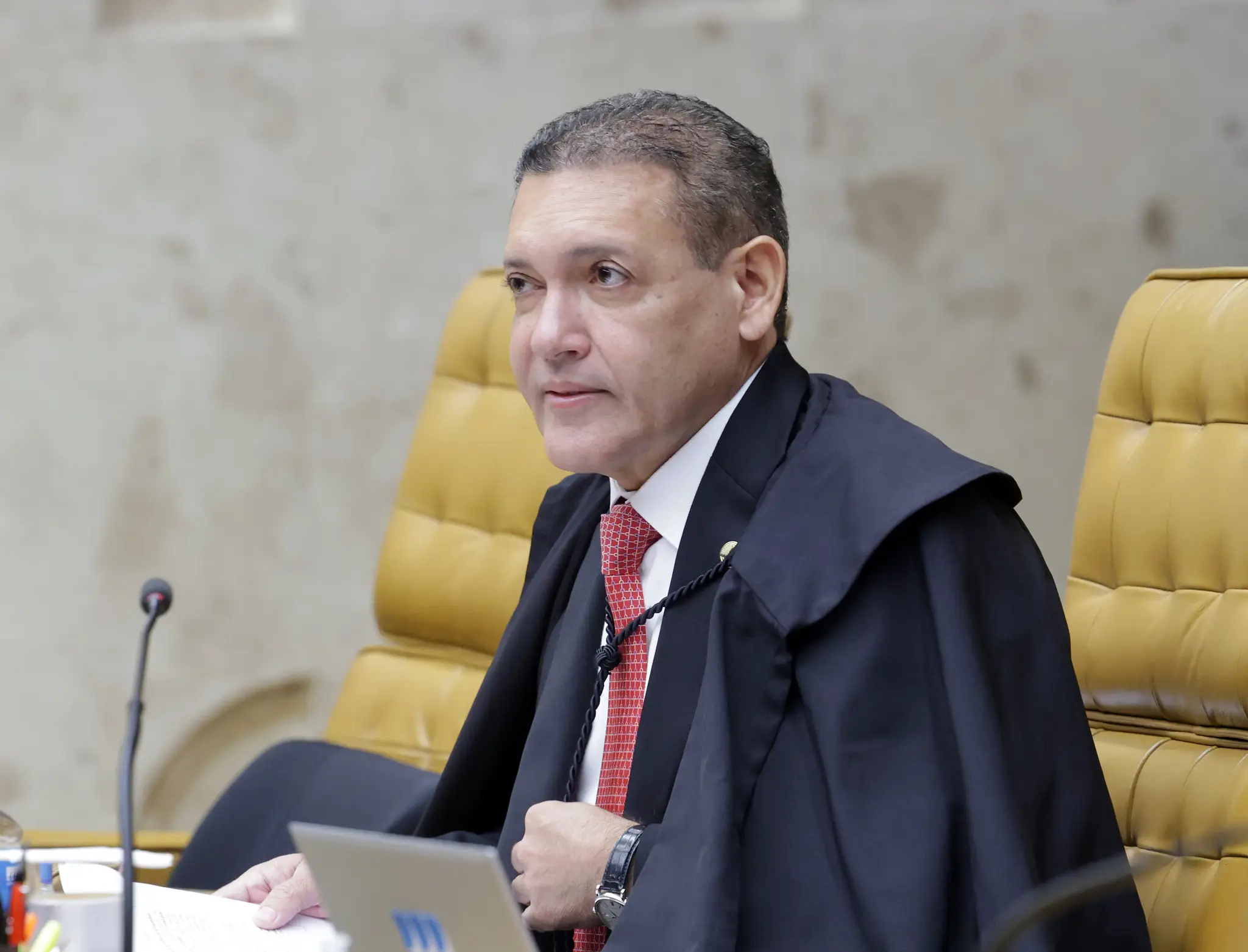
Minister Kassio Nunes Marques assumes this Tuesday (12) the presidency of the Superior Electoral Court (TSE) and will be responsible for conducting the 2026 presidential elections, in an environment still marked by disputes surrounding the credibility of the Brazilian electoral system.
The inauguration ceremony must bring together authorities from the Three Powers and marks the change of command of the Court after the two-year period presided over by Minister Cármen Lúcia. Since May 2024, Nunes Marques has held the vice-presidency of the court.
Appointed to the Federal Supreme Court by former president Jair Bolsonaro in 2020, the judge joined the TSE as a full member in 2023.
His arrival as president comes at a sensitive time for the Electoral Justice, after the institutional conflicts generated by the 2022 elections and the developments in the investigations into an attempted coup d’état.
Behind the scenes of the Judiciary, Nunes Marques is described as a magistrate with a reserved role and a moderate profile. He tends to avoid public exposure and adopts a more cautious stance on topics of strong political tension.
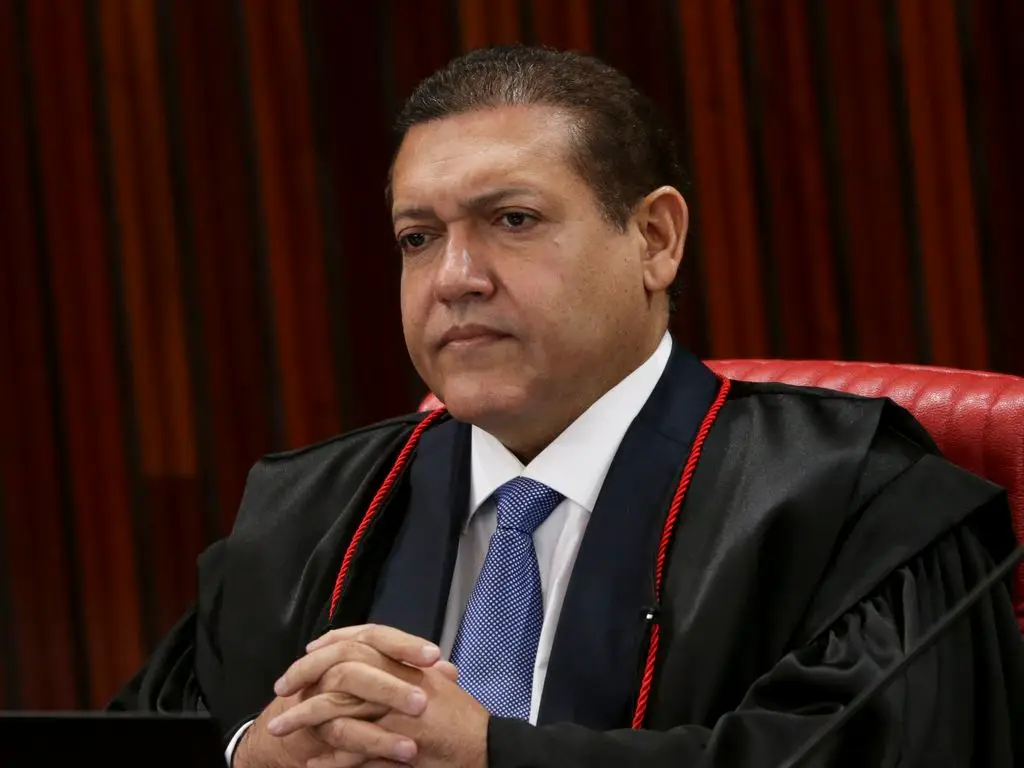
Nunes Marques takes over TSE after leading changes to 2026 electoral rules
New president of the Court reported resolutions that expanded inspection of the polls and detailed public conference of the vote
Nunes Marques reaches the presidency of the TSE with the banner of defending the electronic voting machine
André Mendonça assumes vice-presidency and Corte will lead for the first time two nominated by Bolsonaro
The minister is also identified in the legal community with a line considered guarantor, prioritizing the broad right of defense and positions less favorable to the expansion of judicial activism.
Born in Piauí, Nunes Marques initially built a career in private law, working in the civil, tax and labor areas. Before arriving at the STF, it passed through the Regional Electoral Court of Piauí and the Federal Regional Court of the 1st Region.
His career includes time at the Brazilian Bar Association in Piauí, where he participated in discussions related to electoral legislation and political reform.
At the TSE, the minister had already been working directly in the preparation of the 2026 elections. In February, he reported on the resolutions approved by the Court that expanded inspection mechanisms for electronic voting machines and detailed procedures for monitoring voting by voters at polling stations.
The new rules reinforced steps such as the issuance of the zerésima and the checking of the ballot box by the first and last voters in each section, in an attempt to increase transparency and reduce questions about the electoral system.
Nunes Marques’ administration will begin under pressure to balance institutional security, combating disinformation and public trust in the elections, a topic that has remained at the center of political debate since Bolsonaro’s defeat in 2022.