
Xi warns Trump about a “Thucydides Trap” — but what does that mean?
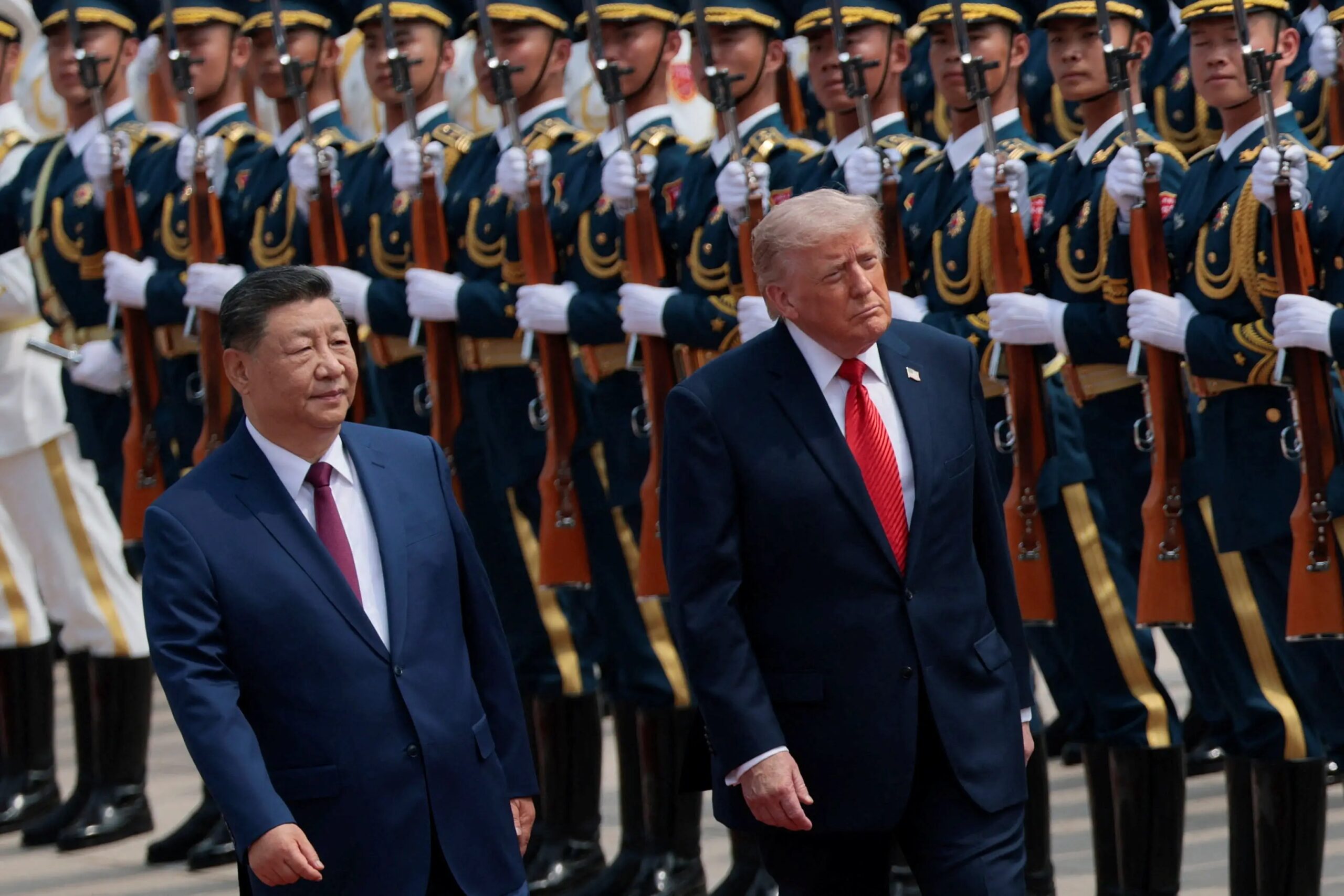
As the leaders of the United States and China met in Beijing on Thursday, Xi Jinping had a much older rivalry in mind.
The Chinese president appealed to a warning from the classical world, when the Greek city-states Athens and Sparta went to war, saying that the United States and China should be aware of the so-called “Thucydides Trap” in their own relations.
Xi cited the concept, popularized in recent decades, in warning that Beijing and Washington could enter an “extremely dangerous place” if President Donald Trump tried to contain China in its effort to assert itself over Taiwan.
The trap mentioned by Xi owes its name to Thucydides, the ancient Athenian general whose account of the Second Peloponnesian War (431 BC to 404 BC) is considered one of the first written military histories.
In it, Thucydides argues that the war between Athens and Sparta was motivated by the threat that a rising power posed to an already established one. “The rise of Athens frightened Sparta and forced it into war,” wrote Thucydides. (The exact translation of this passage is the subject of debate among classics experts.)
For some scholars, the war — and the explanation offered in that ancient text — anticipated almost every major conflict that came after it. International relations theorist Graham Allison named the phenomenon “Thucydides Trap” in the early 2010s.
Trump and Xi agree that “Iran can never have a nuclear weapon”, says White House
The White House also reported that the Chinese leader showed interest in expanding the purchase of American oil as a way of reducing, in the future, Chinese dependence on Hormuz
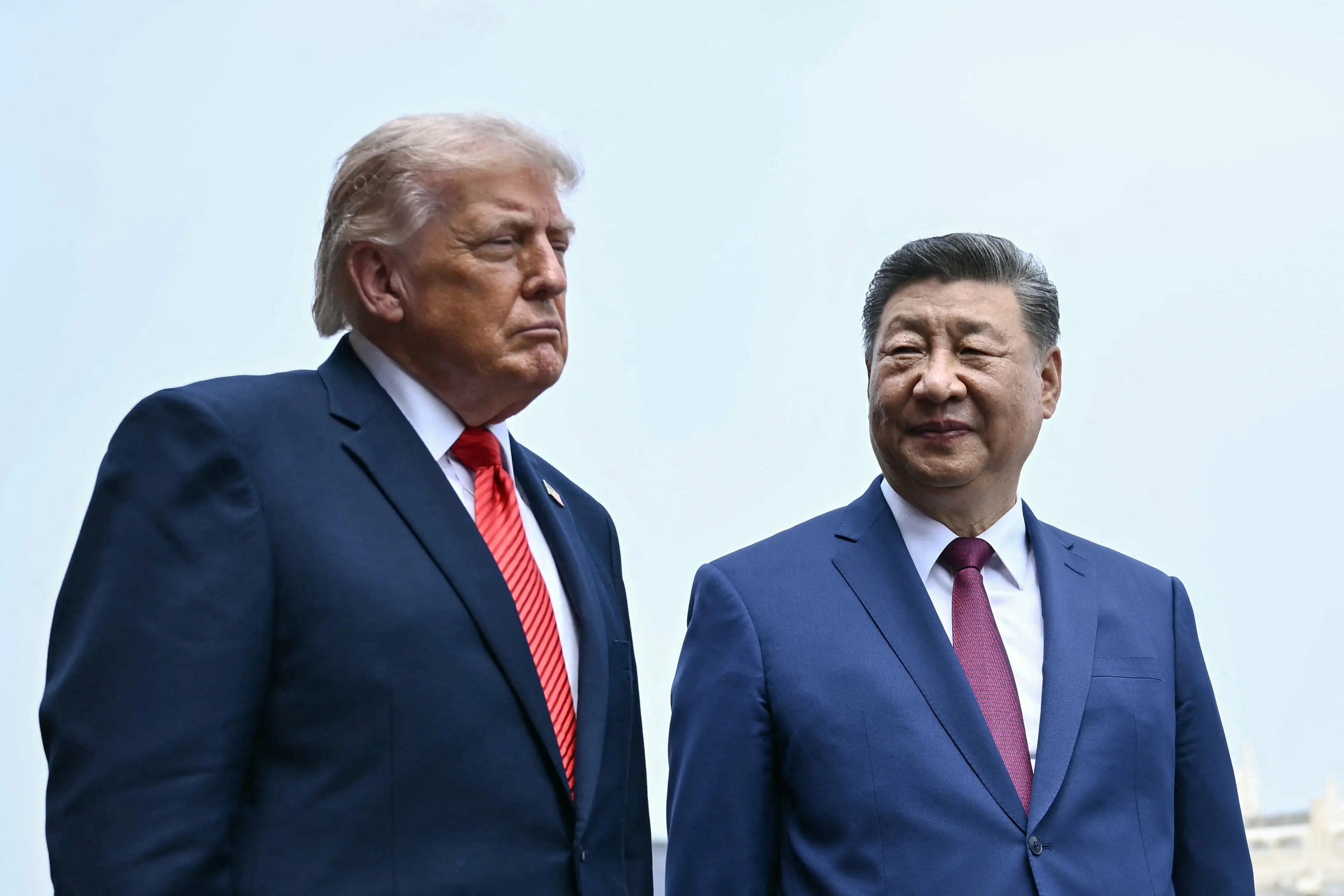
Xi uses “Thucydides Trap” to question whether US and China can avoid conflict
Chinese leader used the concept of the “Thucydides Trap” to defend stability in relations between Washington and Beijing
“The idea is that when an established great power faces a rising power, conflict between the two becomes very likely, if not inevitable,” Daniel Sutton, a classicist at the University of Cambridge who studies Thucydides, said on Thursday.
In the analogy made by Xi, a more confident China would be Athens facing an American Sparta.
To illustrate his thesis, Professor Allison identified 16 moments in history when an emerging power threatened to replace a dominant power. According to his count, which is subjective, 12 of these 16 rivalries ended in conflict.
For more than a decade, Xi and senior Chinese diplomats have invoked the concept, but presented it as a warning rather than something inevitable.
“There is no such thing as the Thucydides Trap in the world,” Xi said in 2015, before an audience that included former Secretary of State Henry Kissinger.
The topic came up again on Thursday. Speaking before Trump in the Great Hall of the People, Xi said the world had reached a new crossroads. “Can China and the United States overcome the ‘Thucydides Trap’ and establish a new paradigm of relations between great powers?” he asked.
Ryan Swan, an expert on China-US relations at the International Center for Conflict Studies in Bonn, Germany, sees Xi’s repeated use of the concept as part of a broader diplomatic effort by Beijing to present itself as a “responsible great power” that can coexist peacefully with the United States.
Since taking office in 2012, Xi has pushed for the US to treat China as an equal and not oppose Beijing in its own region of influence — a recognition that, in the view of Chinese officials, would help build a more stable coexistence.
“China views the Thucydides Trap not as a predictive model, as it is sometimes used in Western circles, but as a threat that can and should be avoided,” Swan said.