
MundoThe debacle of the midterm elections weakens Trump, but for now he still retains powerBBC Mundo•11/04/2026 – 22:30hs
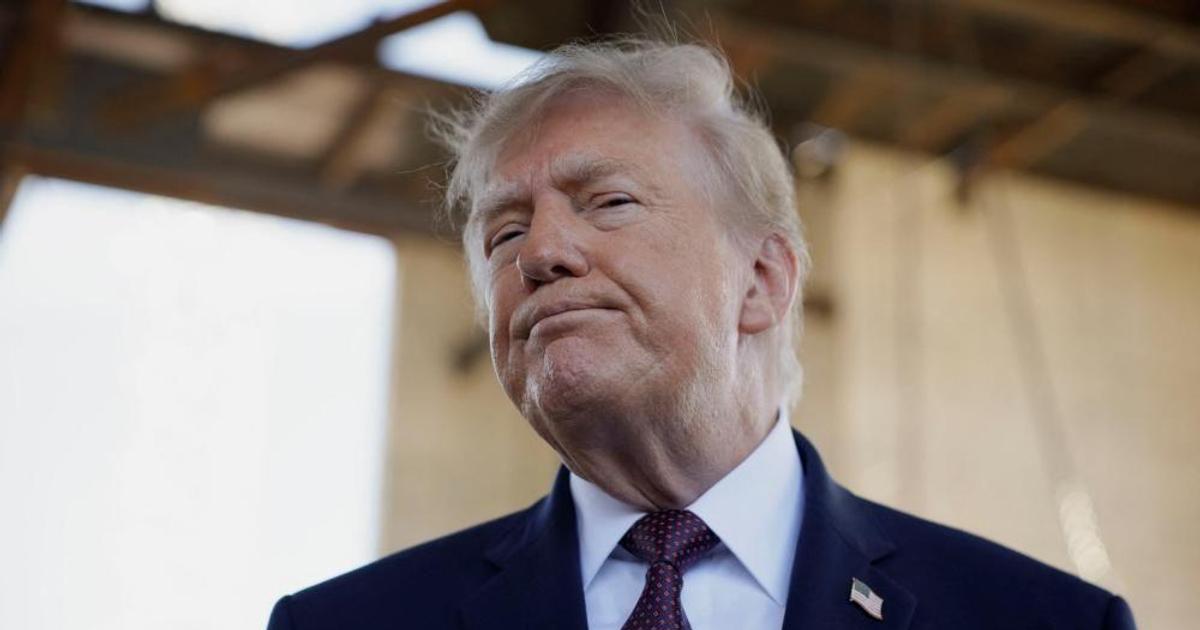
As the dust settled after the overwhelming victory of the Democrats in the midterm elections in the United States, the official White House account published on X a photograph of a serious-looking Donald Trump standing behind his desk in the Oval Office.
“Trump is still your president,” the caption read.
It is the type of message that Trump surely wants to project: that of a president who is in absolute control and who does not bow down despite a dramatic electoral setback.
It was not mentioned that even without congressional control, American presidents still have broad powers that they can exercise. And Trump has already shown himself to be more than willing to overstep his executive duties.
But there was also no recognition that time is running out on the Trump presidency and that it will become increasingly difficult for him to use the powers at his disposal.
Many of his most important measures have been taken through executive orders, rather than laws passed by Congress, even with Republican control.
This includes tariffs imposed on both allies and adversaries, as well as military operations launched in Venezuela and Iran.
At the national level, he unilaterally cut federal spending approved by Congress in all sectors of the government.
Even if there is going to be a Democratic majority in the House of Representatives and the Senate, Trump can continue promoting actions like these – and others – during the last two years of his government.
And if Democrats try to limit them through legislation, the Constitution provides Trump with an exceptionally powerful response: the presidential veto, which can only be overridden by congressional majorities greater than those held by Democrats.
The risk of the Republicans themselves
However, the fact that Trump still retains some of these powers does not mean that he maintains the political will to exercise them.
There are legions of new Democrats heading to Washington vowing to oppose his every decision. And the biggest obstacles could come from within their own ranks.
For two years, the president has exerted ironclad control over the Republican Party, keeping its grassroots militants in line in Congress and across the United States through a combination of political rewards and direct threats.
Now, however, there are signs that his control may be weakening.
Some Republicans have begun to appear willing to criticize his decisions in a way that few would have dared to do just a few months ago.
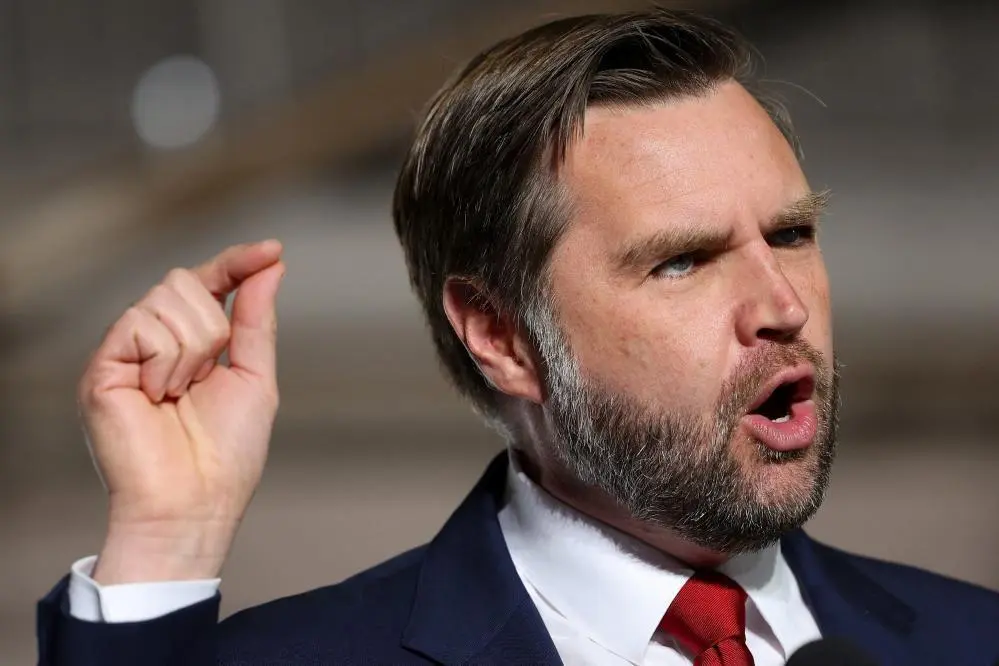
His own vice president, JD Vance, posted a lengthy message on social media blaming the war in Iran that Trump started with Israel for Tuesday’s crushing Republican defeat.
“If you want to argue that it was worth it, that losing the Senate for the next six years was worth it, do it,” Vance wrote. “But we all know why we lost. And any honest conversation about what to do from now on has to start there.”
Rumors are already circulating that some members of Trump’s presidential team could be removed.
According to CBS News, the BBC’s partner in the United States, Trump is consulting with his closest advisors about the advisability of replacing Defense Secretary Pete Hegseth, one of the architects of the war.
The president has denied it.
Such a move would be reminiscent of George W. Bush’s decision to replace Donald Rumsfeld, a key figure in the Iraq War, in response to his crushing defeat in 2006, the last time Democrats won congressional majorities the size of Tuesday’s in a midterm election.
“Republicans who believe they need to distance themselves from Trumpism and the (Make America Great Again) movement are going to try to emphasize different political issues, or they are going to try to present themselves in ways that show some difference between themselves and Donald Trump,” said David Miller, assistant professor of government at American University.
“I have veto power”
On Tuesday night, Trump posted messages on social media and spoke to several media outlets, explaining how he would deal with Democrats: cooperation one moment and threats to veto liberal bills the next.
On Wednesday, as construction workers placed the last beam of the new White House ballroom, which he is building despite a lawsuit trying to stop its progress, he answered some questions about his political future.
“I’ll probably get along with the Democrats, unless they want to be destructive,” he said. “But I have veto power.”
In 1995, months after Republicans took control of Congress in a landslide election that left Democrats equally bewildered, an isolated and defensive President Bill Clinton insisted that he was still important and still had powers to wield.
“The president is still relevant here,” he said plaintively.
Clinton, still in his first term, had time to recover politically, and won re-election the following year.
However, time is not on Trump’s side.
With Republicans still licking the wounds of defeat, the president could try to make a similar argument to the powers that be in Washington and the American public.
But with each passing day, the man who loves to hog the spotlight in American politics may see his powers — and, more importantly, his authority to wield them — slip through his fingers.
This article was originally written in English and we used an artificial intelligence tool to translate it. A BBC journalist reviewed the text before publication. Learn more about how we use AI.
-
Download the new BBC World Service app. Choose BBC News Mundo and receive news alerts, documentaries and analysis, all in one place. Important: The new app is not available in the United Kingdom or the United States.
-
You can also follow us on YouTube, instagram, TikTok, Facebook, x and in our whatsapp channel.
-
And don’t forget subscribe here to our newsletter to receive a special selection of our best content every Friday.