
Marielle case: defense asks for ambulance for Chiquinho Brazão to undergo catheterization

Lawyer Cléber Lopes, who defends deputy Chiquinho Brazão (no party-RJ), filed a request with the Federal Supreme Court (STF) for his client to be taken by ambulance to undergo catheterization.
According to the lawyer, the last time Brazão went out to do monitoring tests, he was placed handcuffed in a van for transport. Lopes said such transport conditions “are incompatible with human dignity.”
The lawyer’s defense filed a petition with the STF on Monday (13). According to Lopes, the 64-year-old deputy has lost 20 kilos since he was arrested, on March 24 last year, by the Federal Police (PF).
ACCESS NOW
Chiquinho Brazão and his brother, Domingos Brazão, a counselor at the Rio de Janeiro Court of Auditors, had pre-trial detention ordered in the investigation process in which they are accused of masterminding the murder of councilwoman Marielle Franco, in March 2018. Driver Anderson Gomes also he died.
Brazão is detained at the Federal Maximum Security Penitentiary of Campo Grande Jair Ferreira de Carvalho, and the counselor, at the Federal Penitentiary of Porto Velho.
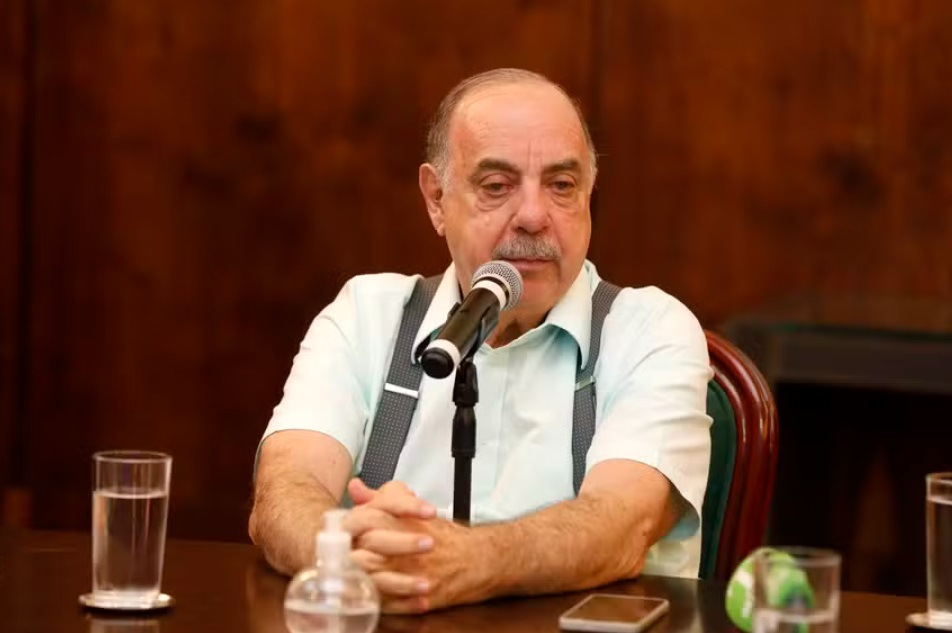
Mayor of BH has gradual improvement, says hospital
It is the fourth time that Fuad Noman has been hospitalized since November
Chiquinho Brazão’s departure to take the catheterization exam was authorized on January 2nd by Minister Alexandre de Moraes, rapporteur of the Marielle Case at the STF.
As determined by the minister, the defense should inform the date, time and location of the exam five days in advance so that the PF escort could be organized.
In December, the defense asked that Chiquinho Brazão be placed under house arrest, but the Attorney General’s Office (PGR) disagreed. In October, Minister Alexandre de Moraes had asked the National Penitentiary Department (Depen) to assess the parliamentarian’s health status.
The Chamber of Deputies authorized the arrest of Chiquinho Brazão, and the Ethics Council approved the loss of mandate, which has not yet been voted on in the house’s plenary.
Invasive procedure
According to the Ministry of Health, catheterization is a procedure “to diagnose or treat heart disease, through the introduction of a catheter, which is an extremely thin and long flexible tube, into the artery of the individual’s arm or leg, which will be conducted to the heart.”
“The exam does not cause pain, and it is normal for the patient to feel a temporary wave of heat in the chest when the contrast is injected (to make images using x-rays). Typically, the exam takes no more than 30 minutes.”
Hospital Israelita Albert Einstein adds that, “because it is an invasive procedure”, it can carry risks “of serious complications (heart attack, stroke and bleeding at the puncture site)”, but “very low (less than 1%)”.