
Analysis: Fed meeting reveals the size of the challenge that awaits the new president
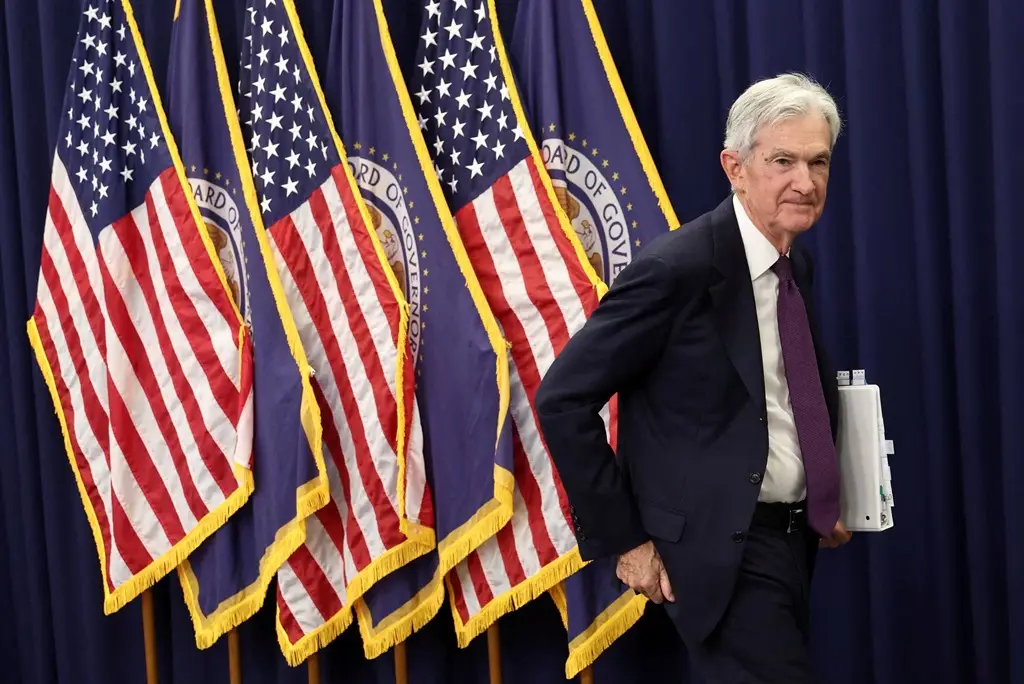
Jerome Powell ended his eight years at the helm of the Federal Reserve with the most fractured monetary policy meeting in decades, after three leaders called on the central bank to make it clearer that the next step could be either an interest rate hike or a cut.
To increase tension, Powell announced that he will remain at the Fed as director after his term as president ends on May 15, when Donald Trump’s appointed successor, Kevin Warsh, takes command. In practice, the decision takes away from Trump the chance to nominate another name for the Fed’s seven-member board while Powell remains there.
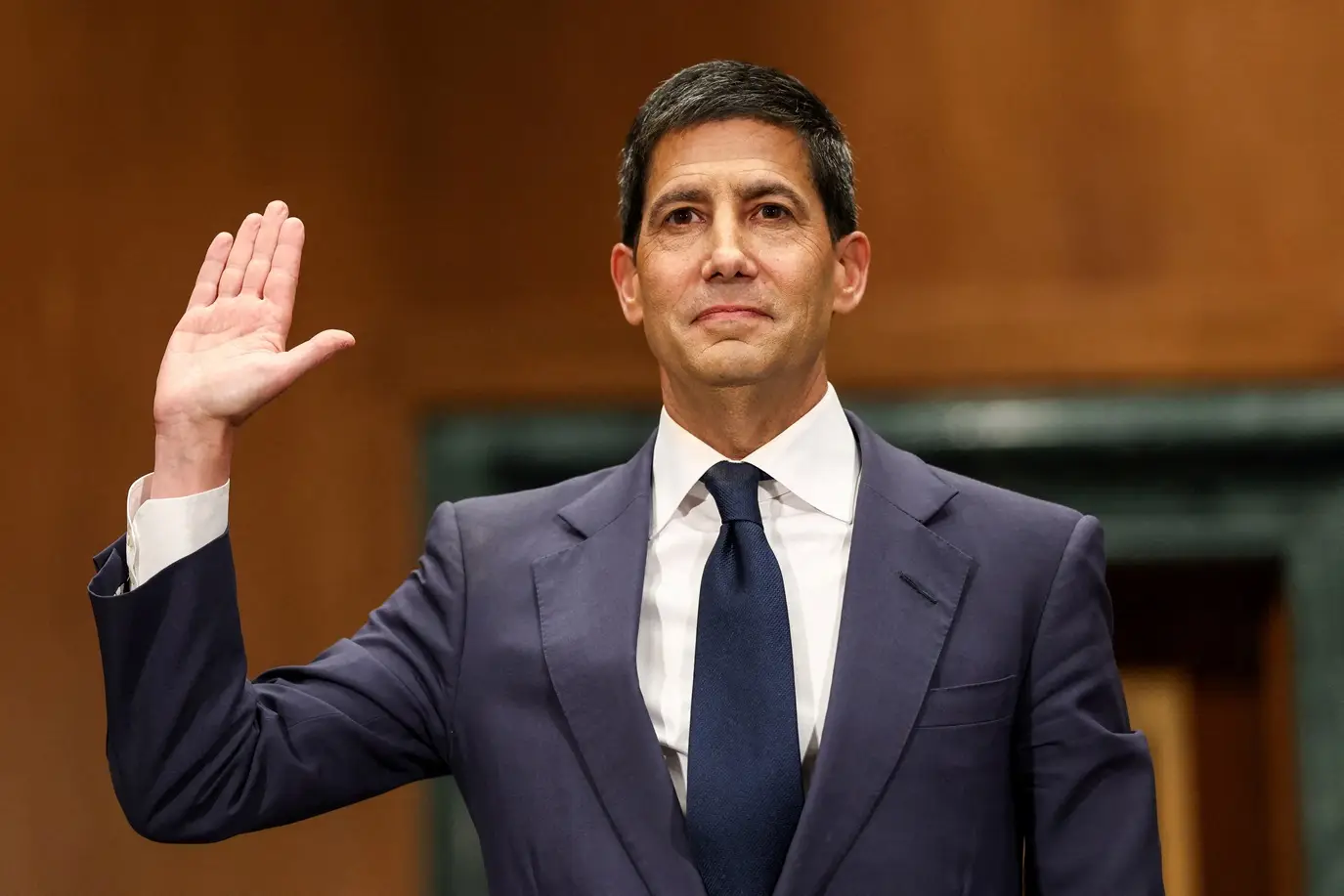
Kevin Warsh wanted a “family fight” at the Fed – oil provided the spark
“Welcome to the new era of Fed dissent,” said Heather Long, chief economist at Navy Federal Credit Union
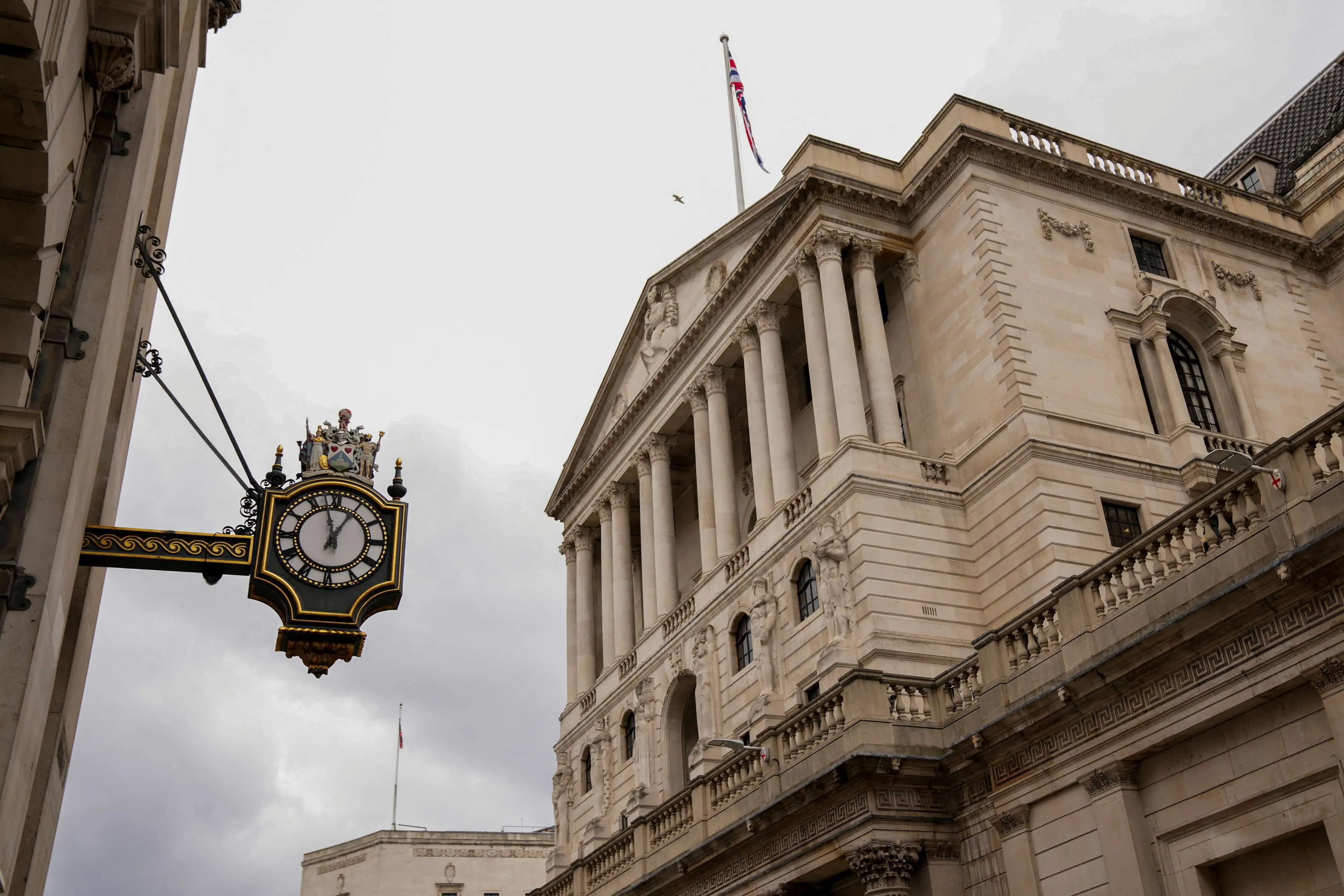
Bank of England maintains interest rates and assesses risks of the Iran war for inflation
The nine members of the Monetary Policy Committee voted 8 to 1 to keep the benchmark interest rate at 3.75%
Powell’s choice — which could remain until January 2028 — is completely out of the norm. He justified his stay by the constant attacks by Trump and members of the government on the central bank over the last year, which, according to him, puts the Fed’s independence “at risk”.
This Wednesday’s meeting, in which the Fed maintained the base rate in the range of 3.5% to 3.75% per year, condensed the size of the problem that Warsh will inherit when he sits in the chair. During the hearing in the Senate, Warsh had said that he wanted “messier” meetings and a “good family debate” within the Fed — something that, apparently, will not be missed.
At the same time, he runs the risk of becoming Trump’s next preferred target if he doesn’t deliver the interest rate cuts that the president has been demanding for a long time. Trump spent years attacking Powell for, in his view, not cutting interest rates quickly or aggressively enough, calling the then-Fed chairman “backwards,” “stupid” and “an imbecile.”
This Wednesday, Trump once again said that this is a “good time” to cut interest rates — exactly when central bank directors indicated that they were much more reluctant to offer this relief. Inside the Fed, the discussion is no longer about cutting again, but it still makes sense to cut — which led to the most divided meeting since 1992. The change of course has a lot to do with the war in Iran, which has skyrocketed energy prices and reignited inflationary pressure.
Stephen Miran, appointed to the Fed last year by Trump, scored his sixth consecutive losing vote by defending a 0.25 percentage point cut. The presidents of three regional Feds supported the decision to maintain interest rates, but wanted the statement to make it more explicit that the next move is not necessarily a new cut.
Instead, the Fed repeated in its note that “in considering the magnitude and timing of additional adjustments to the target range for the federal funds rate, the Committee will carefully evaluate incoming data, the evolving outlook, and the balance of risks.”
The dissenting votes came from Beth Hammack, president of the Cleveland Fed; Lorie Logan, who heads the Dallas Fed; and Neel Kashkari, head of the Minneapolis Fed.
The fear of a growing group of leaders is that the longer the war with Iran drags on, the greater the decline in activity will be. The concern is about a scenario in which the rise in the cost of energy contaminates other prices, mainly in the services sector, making inflation more persistent and difficult to bring back to the target.
For now, inflation expectations ahead still show that Americans have not lost confidence in the Fed’s ability to bring prices back to the target of 2% per year. But the emergence of yet another shock that pushes inflation away from the target — the fourth in five years — inevitably tests this vote of confidence.
Powell said on Wednesday that the Fed needs to be “very cautious” before assuming that the rise in oil prices will not have a more lasting effect on inflation. He made it clear, however, that no one within the central bank is advocating interest rate hikes now.
By remaining director, Powell continues to have the right to vote on monetary policy decisions, although he said he intends to maintain a “low profile” to ensure a smoother transition for Warsh and allow the new president room to build a majority around his positions.
“I want to be a very constructive participant in this process, out of respect for the role of chair,” Powell said. He praised Warsh for having the “skills” needed to build consensus within the Fed.
Monetary policy decisions are made by a 12-member committee, made up of the board’s other six directors, the president of the New York Fed and a rotation of four presidents among the 12 regional banks.
Powell’s decision to remain on the board was immediately attacked by the government. Treasury Secretary Scott Bessent told Fox Business that this was a “highly unusual” move and a “violation of all Federal Reserve regulations.” He called the decision an “insult” to Warsh.
The White House did not immediately comment on Powell’s stay, but the gesture creates yet another focus of confrontation with the president, who had already promised to fire him if he did not leave the Fed at the end of his term as chair.
In a social media post, Trump said Powell is staying at the Fed because he “can’t get a job anywhere else.”
By law, a president can only remove a Fed official if there is “just cause”, a concept that, in practice, involves serious misconduct or serious negligence in the exercise of the role. Trump has already tried to apply this logic to director Lisa Cook, whom he accused of real estate fraud before she joined the Fed. The Supreme Court is considering Cook’s lawsuit against the accusation.
Powell did not elaborate on how long he intended to remain on the board, but made clear that his decision was tied to the outcome of the Justice Department’s criminal investigation into cost overruns in renovations to the Fed’s Washington headquarters and whether he lied to Congress about the matter.
The investigation prompted a rare public reaction from Powell, who called the lawsuit a pressure tool to force the Fed to give in to the president’s demands for lower interest rates. He had already said that he would not leave the central bank until the investigation was “really closed, with transparency and definitiveness”, a condition that he repeated again this Wednesday.