
International press classifies Messiah’s rejection as Lula’s historic defeat
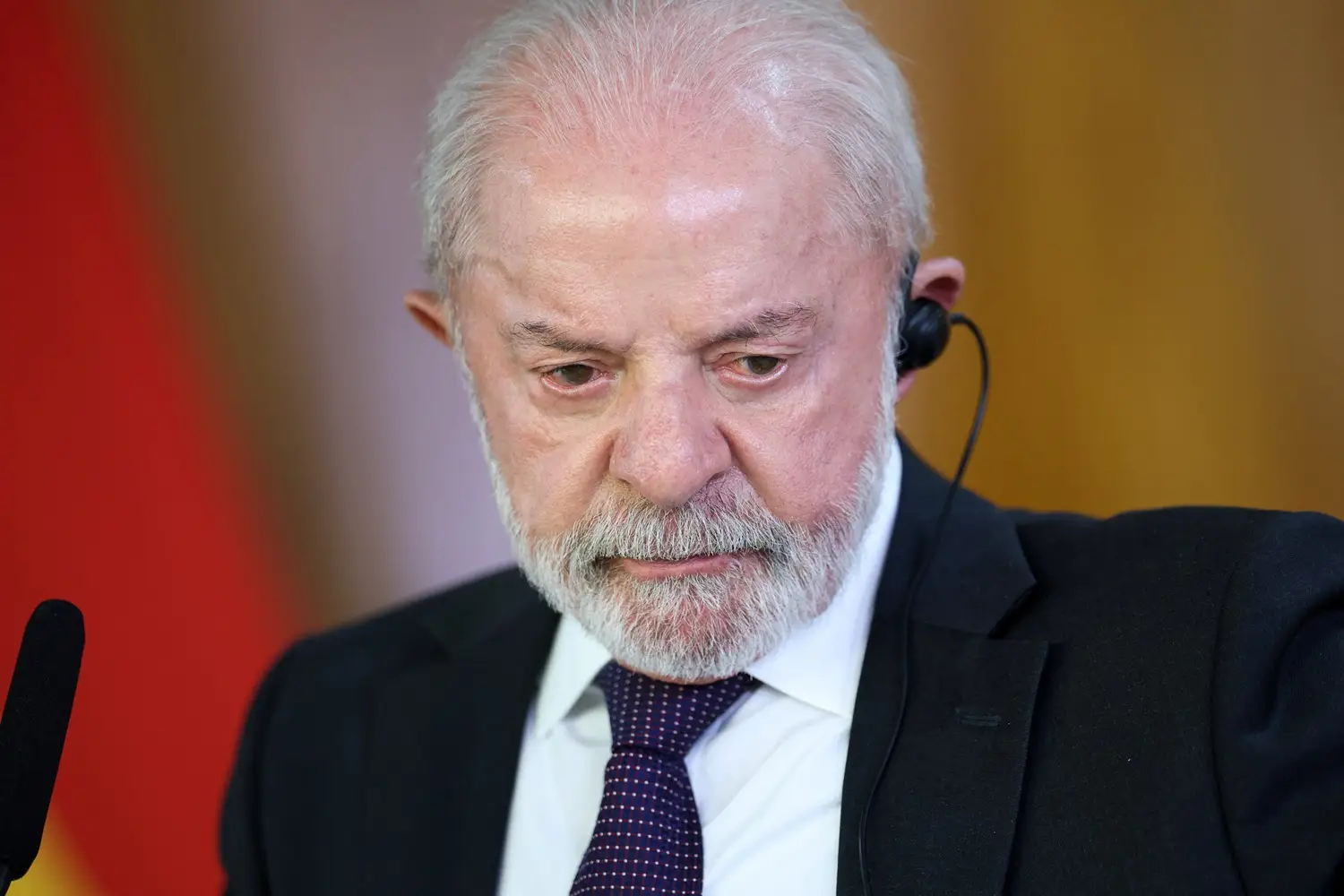
The rejection of the Union’s attorney general, Jorge Messias, for a vacancy on the Federal Supreme Court (STF) this Wednesday (29), resonated in the international press as an unusual episode in Brazilian politics and a relevant setback for the government of President Luiz Inácio Lula da Silva (PT). The nomination was approved by the Constitution and Justice Commission (CCJ), but was blocked from the Senate plenary, with 42 votes against and 34 in favor.
Newspapers and news agencies highlighted the atypical nature of the decision. The last time the Senate refused a name nominated by the President of the Republic for a vacancy in the STF was 132 years ago, during the government of Floriano Peixoto.
With Messias’ defeat, nomination to the STF could be the choice of new president
Analysts interviewed by InfoMoney assess that Messias’ refusal gives tough messages to the government and anticipates a difficult election in October
The Spanish newspaper El País classified the result as a “historic defeat” and pointed out that the episode raises doubts about the president’s ability to articulate political support in Congress. The press vehicle also mentioned the deterioration in the relationship with the president of the Senate, Davi Alcolumbre (União-AP).

“Messiah’s rejection is a warning sign for Lula, whose legendary ability to mobilize and forge alliances is now in question,” says the report, which cites the rise of Senator Flávio Bolsonaro (PL-RJ), as the “main right-wing candidate”, in electoral polls on the presidential contest. Surveys have shown a technical tie between the two in the second round.
Agency text Associated Press (AP)reproduced in the newspaper The Washington Post and in other press vehicles, he mentioned Messias’ rejection as a sign of weakness in the president’s popularity and a “political coup” by parliamentarians.
“The president of the Brazilian Senate, Davi Alcolumbre, openly defended another candidate before Lula chose Messias as his nominee. The Brazilian press has been reporting for months that the senator was at odds with Lula for not choosing Senator Rodrigo Pacheco”, wrote the agency about Planalto’s attrition with Alcolumbre.
In Argentina, the Clarin He described the outcome as a severe defeat for Lula and a victory for the opposition, represented by Flávio. He also mentioned that the government will have to present a new name to fill the vacancy on the court.
Other analyzes linked the episode to broader political disputes. THE Bloomberg mentioned that the choice of Messiah was part of a strategy to dialogue with religious sectors and expand political support. When mentioning the strengthening of groups of parliamentarians linked to former president Jair Bolsonaro (PL) as a factor that contributed to the result, the report highlighted that the Senate “holds the power to dismiss members of the Supreme Court”.
“The former president and his supporters have long criticized the Federal Supreme Court, alleging that its campaigns against so-called fake news and online misinformation led to the political persecution of conservative figures.”, he stated.
THE Reutersin turn, highlighted the government’s “unprecedented lobbying effort” to try to make approval viable. “In recent weeks, Lula’s team has sought support from senators across the political spectrum, arguing that Messias could help ease tensions between Congress and the Supreme Court.”
As shown by the Estadãofearing a close vote in the Senate, the government accelerated the release of parliamentary amendments and job negotiations in the last two weeks.
Of a total of R$12.7 billion released for amendments to the Budget since the beginning of the year, more than half occurred after mid-April. Deputies got R$9.3 billion; another R$2.5 billion was allocated to senators, R$659 million to state congressional benches and R$156.9 million to Senate committees.