
Chamber closes session without holding votes or reading critical minerals
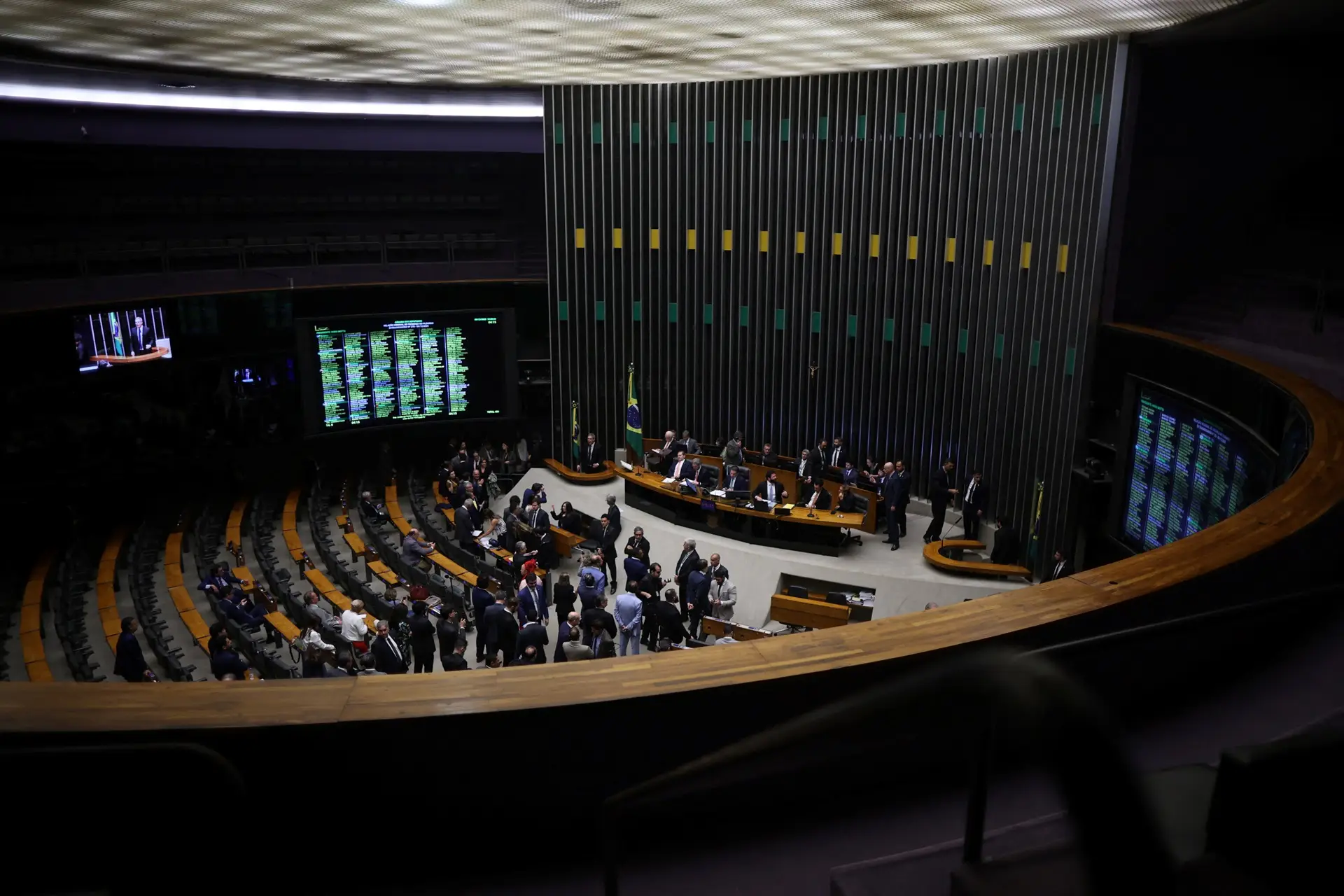
The Chamber of Deputies ended the legislative session this Tuesday, 5th, without holding votes or reading the report on the National Policy on Critical and Strategic Minerals, one of the most anticipated projects on the week’s agenda. According to the Political Broadcastthere is still no agreement on the opinion of deputy Arnaldo Jardim (Cidadania-SP).
The mining sector is dissatisfied with the deputy’s decision to expand the powers of the Special Council for Critical and Strategic Minerals. The body, to be formed by members of the federal Executive Branch, will have the power to approve or block changes in corporate control, direct or indirect, of companies holding mining rights.
6×1 scale committee in the Chamber approves invitations to ministers and Galípolo
The requests include invitations to the Minister of Finance, Dario Durigan; of Labor and Employment, Luiz Marinho; the General Secretariat of the Presidency, Guilherme Boulos; and Women, Márcia Lopes
Entities representing companies argue that these transactions should only be informed in advance to the Council, without the need for approval.

The assessment is that the Council’s veto power would represent interference in business dynamics without objective criteria, in a way that would cause legal uncertainty. There is also a demand for a balanced composition of the Council, instead of having 15 members of the Executive Branch in the body and much smaller quotas for States, municipalities, the private sector and higher education institutions.
A wing of the government bench also criticizes Jardim’s opinion and says that the text is generic, without specific limitations for the participation of foreign companies in the exploration of Brazilian lands, nor a minimum quota of national content in the processing and transformation of explored minerals.
According to deputies linked to the negotiations, the vote on the matter was scheduled for this Wednesday, 6th. The rapporteur is still talking to the party benches to reach a consensus on the final proposal.
