
Defenses of those convicted of coup are already preparing requests to reduce sentences
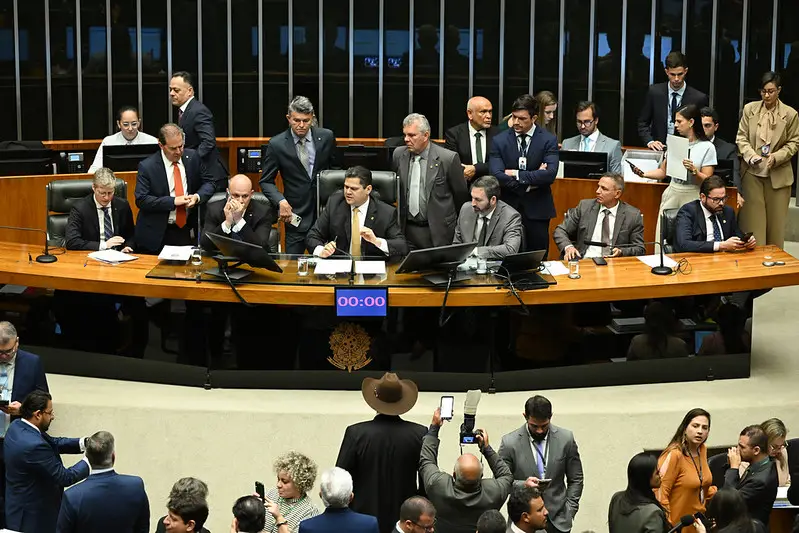
With the veto of the dosimetry bill overturned by Congress, the defenses of those convicted of the coup plot are already preparing requests to the Federal Supreme Court (STF) for the review of sentences and making calculations on the progression of the regime.
The move comes after deputies and senators rejected, last Thursday, President Luiz Inácio Lula da Silva’s full veto of the text that changes rules for calculating penalties, which should also benefit former president Jair Bolsonaro.
The text changes sentencing criteria, avoiding the automatic summation of crimes committed in the same context and allowing greater differentiation between those involved, with a direct impact on convictions related to the acts of January 8 and the attempted coup d’état.
Lawyer for federal police officer Marcelo Araújo Bormevet, Hassan Magid states that he is awaiting the formalization of the new rule before filing a request with the STF.
— As soon as it is promulgated, I will make a request for a review of the sentence. Marcelo has been in prison for over a year and a half. With the reduction of the sentence we believe that he will be able to move to the semi-open regime – he said.
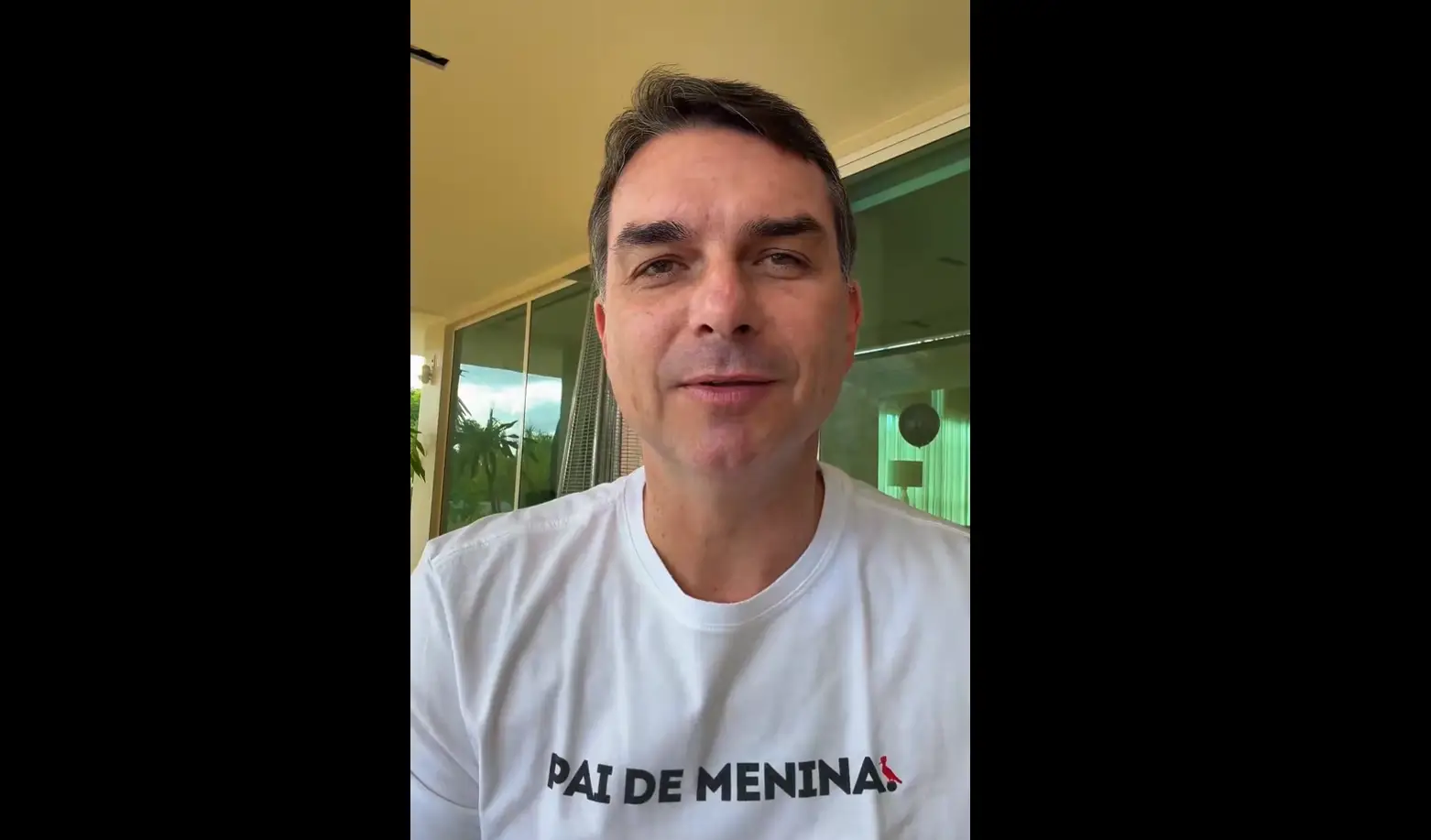
Flávio says that overturning the veto was an unfair birthday present and honor
The victory, according to Flávio, represents a new beginning for “hundreds of Brazilian families”
Bormevet was convicted by the First Panel of the STF for participating in the coup attempt, accused of being part of, when he worked at the Brazilian Intelligence Agency (Abin), a group that illegally monitored authorities and produced disinformation. He is currently serving his sentence at the Casa do Policia Penal de Matozinhos (MG), and works in the distribution and control of medicines, an activity that counts towards remission of his sentence.
Lawyer Demóstenes Torres, who defends former Navy commander Almir Garnier, also states that the legal team prepares the resources, but highlights the need for detailed analysis on a case-by-case basis.
— We are already studying and will file a request for a reduction as soon as possible. We are studying,” he said.
He adds that it will be necessary to reevaluate previous STF decisions on dosimetry to see how much of the penalty should be reduced. Garnier was sentenced to 24 years in prison in the coup attempt case and, according to the defense, he already participates in activities that could reduce his sentence.
Other lawyers interviewed under reservation stated that they intend to wait for the first requests filed and the STF’s reaction before filing similar actions. The strategy is to observe how the Court will interpret the new law and whether there will be resistance or acceptance of the revisions.
There are still doubts among defenses about how to publish the new standard. This is because Congress overturned the veto in its entirety, but to avoid conflict with the Anti-Faction Law, the president of the Senate, Davi Alcolumbre (União-AP), removed from the text an excerpt that could facilitate regime progression for those convicted of serious crimes.
There are doubts among lawyers whether this maneuver could generate legal questions about the practical application of the text.
According to the calculations presented during the project’s processing, former president Jair Bolsonaro, sentenced to 27 years and three months, could have his sentence reduced to 22 years and one month with the new rule. The expectation is that the former president will be able to progress from the closed regime to the semi-open regime in two or three years.
He is currently serving a sentence under house arrest, granted after his health worsened due to pneumonia.
Remission of sentences, a mechanism that allows reducing prison time through study or work, has already been applied to other convicts.
Former minister Anderson Torres, for example, sentenced to 24 years by the First Panel of the STF, participates in reading programs, works in the administrative area in the Papuda complex and takes a constitutional law course. As in other cases, validation of the sentence reduction depends on a court decision.