
Durigan says Brazil was patient against US tariffs, unlike Europe
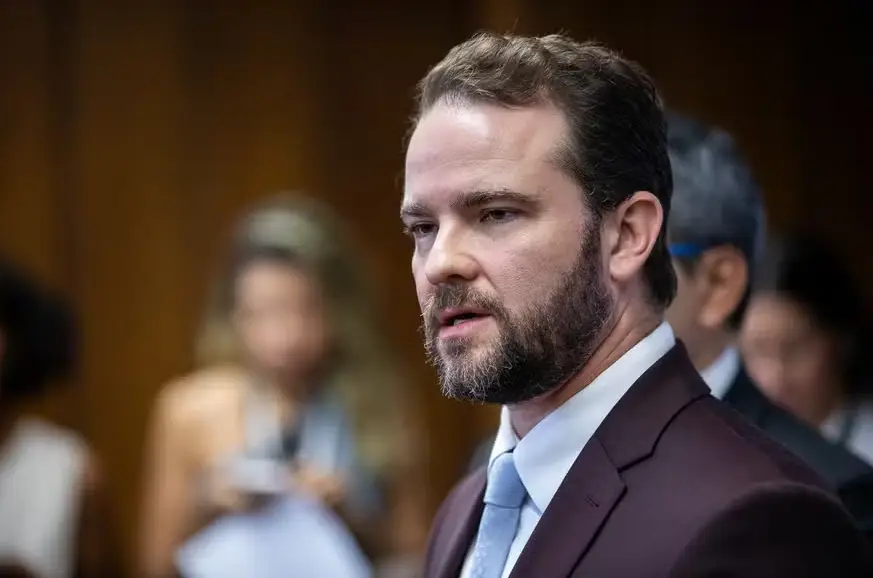
The Minister of Finance, Dario Durigan, defended Brazil’s responses to the tariffs applied by the North American government and said that Europe reacted abruptly, in an interview with the French magazine Le Grand Continent. The interview was given at the beginning of last week, when Durigan was in Paris to participate in the G7 Meeting of Finance Ministers and Central Bank Presidents.
According to him, Brazil did not retaliate against the United States. “We simply maintained our firm positions, rejecting any type of interference. At one point, our country was facing 50% tariffs: a 10% tax applied globally, plus an additional 40%”, he recalled.
“What Lula told Trump and other leaders at the time was that Brazil had a trade deficit with the United States (we import services, technology and pharmaceutical products), just as the United States has a deficit with China. If we apply the same reasoning to the relationship between our two countries, we should have been the ones to impose tariffs on American imports in Brazil. We import at a high price, but we did not adopt this hostile stance.”
Next, Durigan said that perhaps the difference in relation to Europe is that Brazil has shown patience in responding to American President Donald Trump. “Although we challenged the decision to impose tariffs on us, we did not retaliate; on the contrary, we positioned ourselves politically as a sovereign country that did not deserve such treatment. The European response was, without a doubt, very abrupt: trying to reach a quick agreement with the United States could have worsened the situation”, he maintained.
Iran did not agree to hand over stockpile of highly enriched uranium: source
Earlier, the Iranians had already returned to contest another point of the agreement after Trump’s speech
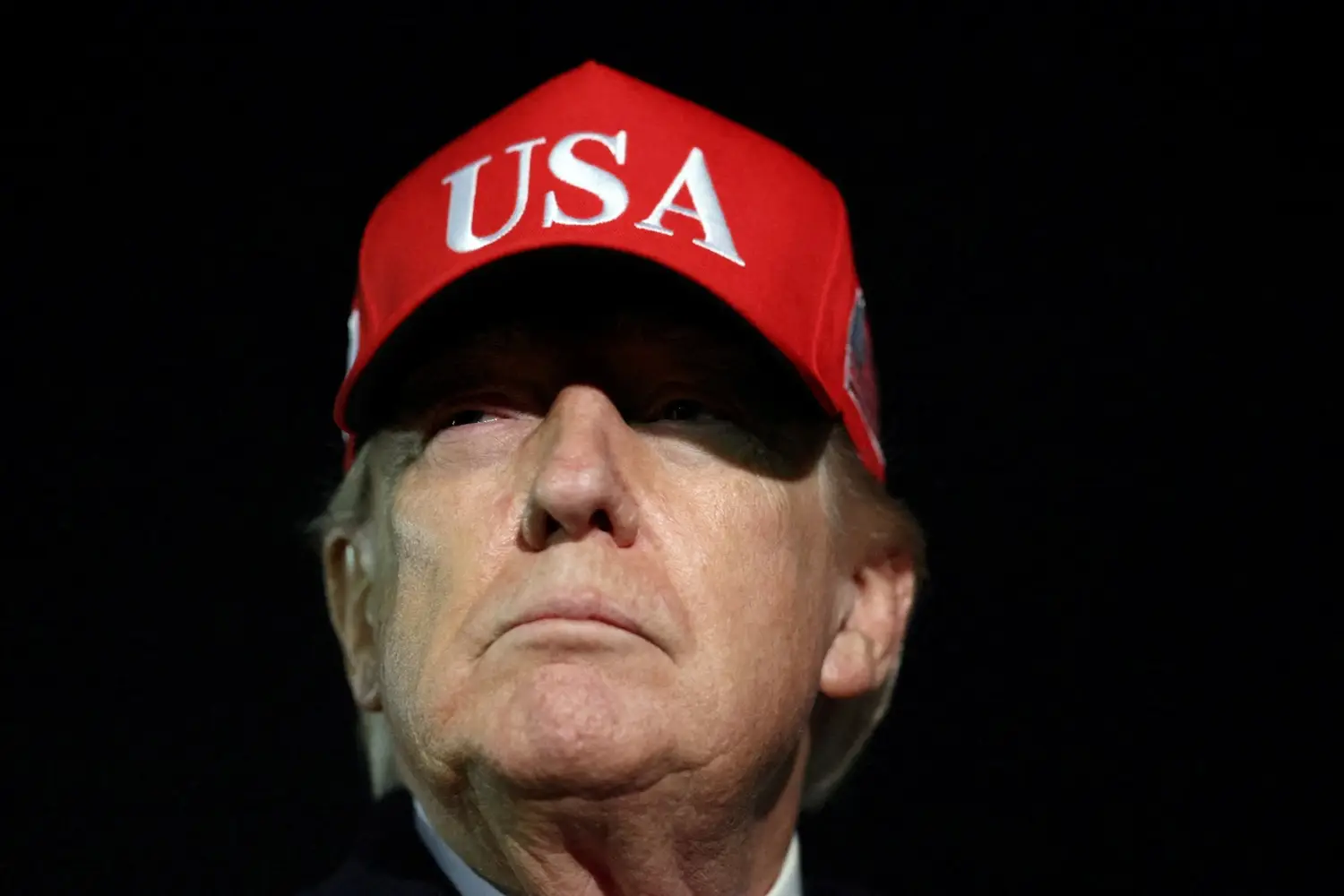
Trump withdraws from deadline and says he does not want to rush into an agreement with Iran
One day after saying that he would decide the fate of the conflict by this Sunday, the American president claims to have instructed his representatives not to reach an agreement in a hurry and confirms that the naval blockade remains
Asked whether the American tariffs were also intended to exert pressure to force the Brazilian government to take action in the case of former president Jair Bolsonaro (PL), Durigan agreed, but said that this strategy did not work.
“The trial against Bolsonaro continued even with the imposition of tariffs, and Bolsonaro was convicted despite geopolitical pressure.”
In the minister’s view, this ended up strengthening the autonomy of the Brazilian Judiciary, which sent an important signal to companies. “Because it’s not just about politics, it’s also about legal predictability: companies around the world want to be able to take their disputes to court and resolve them with confidence in the system. They don’t want a president with excessive powers unilaterally deciding what is right or wrong; that’s why it was so important for us to let the legal process take its course.”
In the interview, the Brazilian minister also addressed the defense of multilateralism, a recurring theme in President Luiz Inácio Lula da Silva’s (PT) international speeches. “We do not support the adoption of unilateral mechanisms like those that are emerging everywhere at the moment,” he said.
Regarding Brazilian relations with China and Europe, he said that the country has no prejudices and seeks to maintain good relations with the entire world, but does not want China or any other country to flood Brazil with manufactured products.
“We apply these same principles to critical minerals: prioritize sovereignty and not repeat the mistakes of the past. If we limit ourselves to exporting unprocessed raw materials, as we did with iron ore, soybeans and sugar cane, we will end up increasing the price of an espresso coffee for consumers. That’s why we now want to move up the value chain and industrialize our critical minerals,” he said.
Durigan also reinforced that Brazil is in a position of strength, with geopolitical advantages, as it invests in clean energy and biofuels, in a scenario of great uncertainty imposed by the war in Iran and the closure of the Strait of Hormuz.