
Marina Silva says that the Senate acts against global efforts against the climate
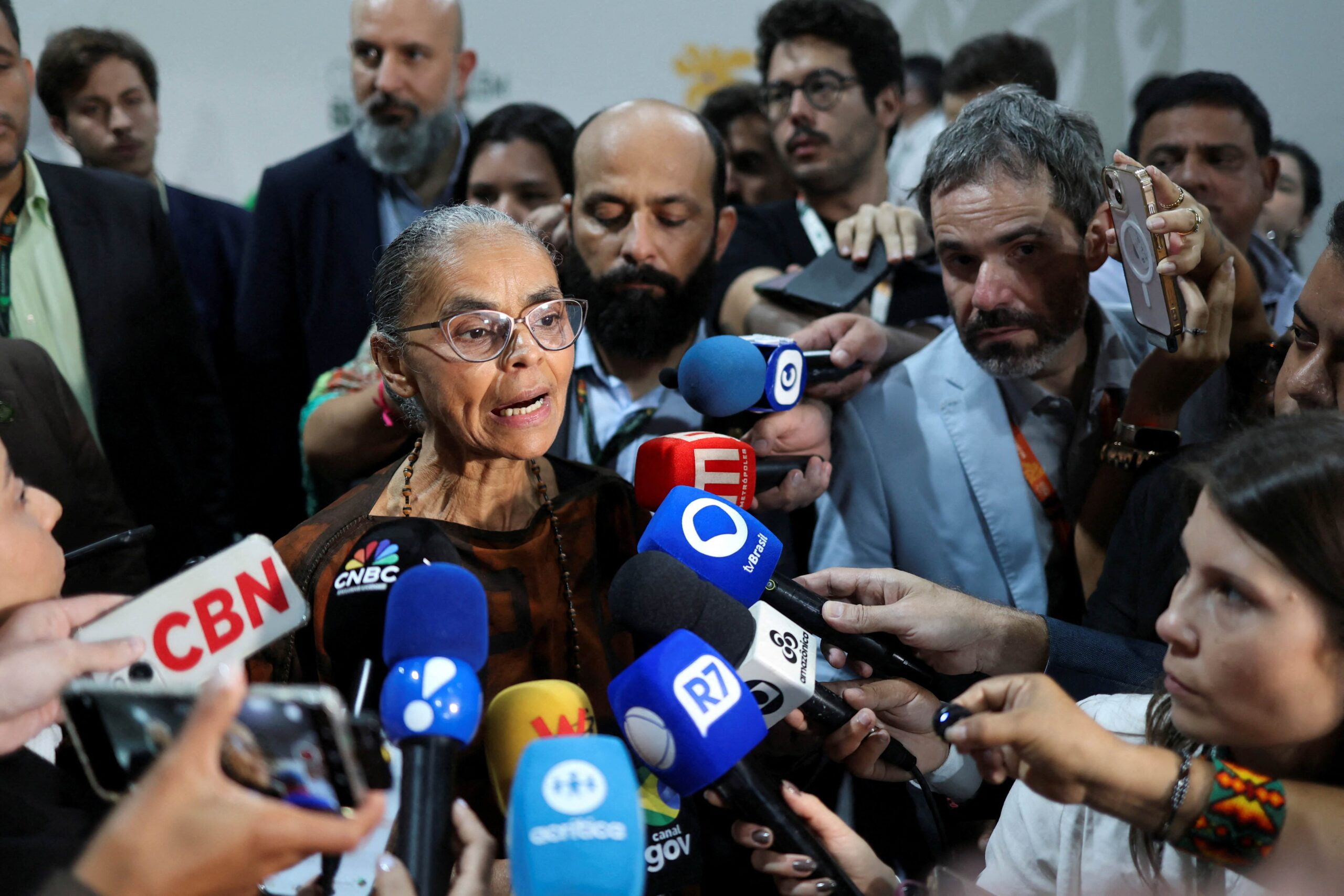
During the opening of COP30, in Belém, the Minister of the Environment, Marina Silva, stated that the Senate “goes against global efforts” to contain climate change by approving, on the eve of the conference, new tax incentives for coal-fired thermoelectric plants.
“It was a sign against the efforts that need to be made. It is absurd that something with this complexity is voted on in six minutes, on the eve of the biggest event to combat climate change”, said Marina in an interview with The Globe.
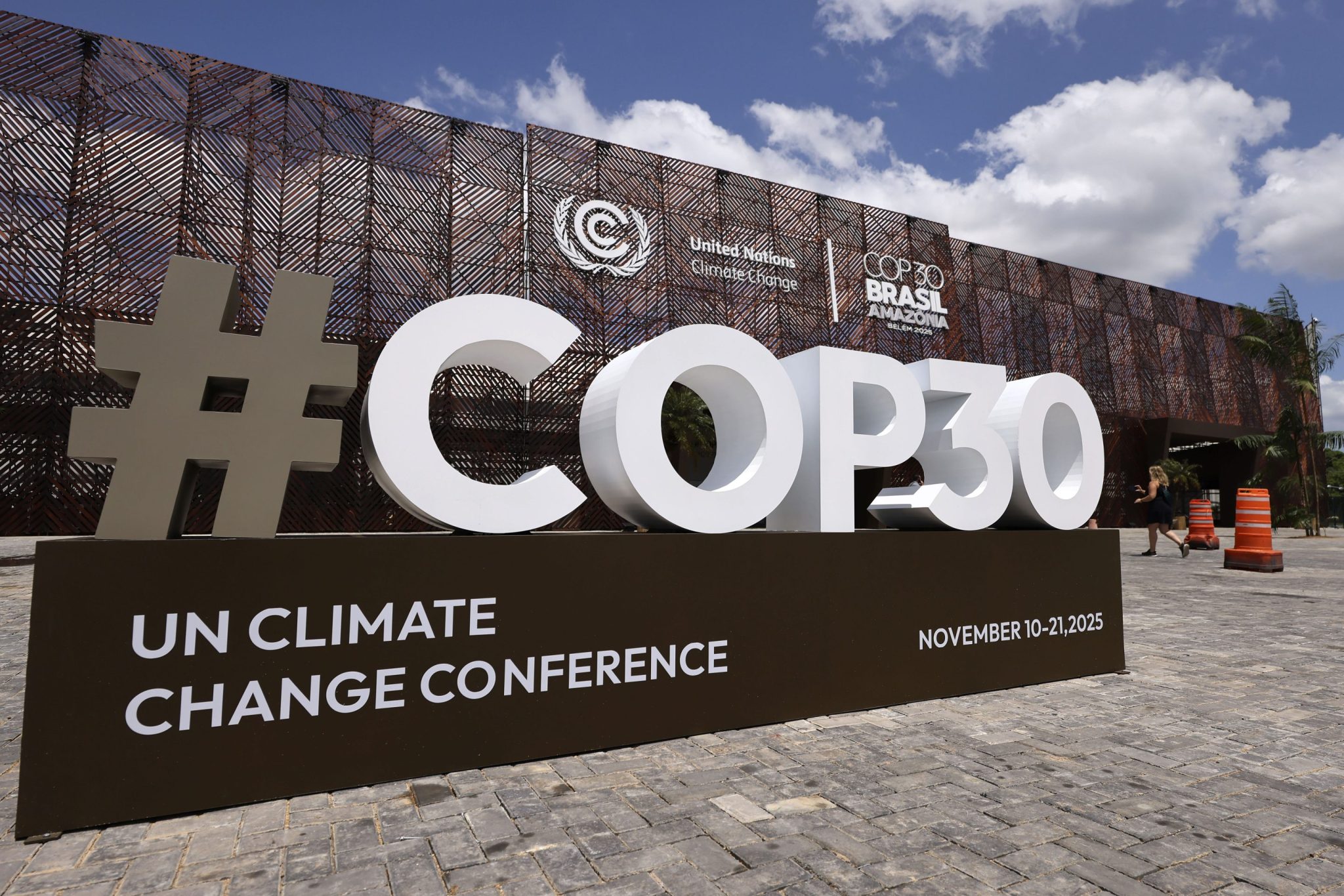
Between governments, environmentalists and companies, COP30 brings together 60 thousand people in Belém
Held for the first time in Brazil, the conference is expected to be scheduled until the 21st; find out how the meeting works
COP30: Clean energy grows, but some sectors remain at a standstill, says report
The easier challenges are being solved, but many of the harder ones, like decarbonizing heavy industrial processes, are not being addressed.
The minister assessed that, although Brazil has made environmental advances in recent years, the challenge of the energy transition involves contradictions that affect even the most developed countries.
“You will hardly find a country that is not experiencing challenges and contradictions in the energy transition,” he stated. “It is necessary to use part of the oil profits to invest in the transition, in green hydrogen, solar and wind energy. Brazil is willing to do this for climate justice.”
Oil exploration
Asked about the government’s approval of Petrobras’ exploration in the Equatorial Margin, Marina minimized the conflict between exploration and sustainability, saying that the transition “needs to be planned to avoid a global energy collapse”.
“It is not possible to abandon fossil fuels by decree, because there would be an energy collapse. Brazil has a comparative advantage, because it already has a 90% clean electrical matrix. The president has said that Petrobras needs to stop being an exploration company and become an energy company.”
The speech reinforces the Lula government’s strategy of using oil exploration as an instrument to finance the energy transition, and not as a contradiction to it, a point that has generated criticism from environmentalists on the eve of the COP.
Environmental flexibility
Still in the interview with The GlobeMarina also criticized changes to environmental licensing rules, included in a recent provisional measure. According to her, the new standards remove the power of evaluation over strategic projects from the Government Council, which could facilitate large works with an environmental impact.
“What was proposed has an address: the Belo Monte hydrograph, the large tailings dams in Minas Gerais. These are interests that go against the grain of society and put lives at risk.”
For the minister, the scenario highlights a dispute between economic and environmental interests, including during COP30.
“Whoever puts the public interest and the defense of life first cannot work according to lobby logic. We need to solve one of humanity’s main problems: the risk of destroying the conditions that allow life.”
Brazil’s role at COP30
Marina highlighted that Brazil arrives at the conference “with concrete results”, such as a 50% reduction in forest fires and the third consecutive year of decline in deforestation.
She also highlighted the launch of the Tropical Forests Forever Fund (TFFF), which already totals US$6 billion in commitments and should finance protected areas and traditional communities.
“We are changing the logic of donation to investment. The fund is already operational and will finance payments for protected forest areas and the ecosystem services provided by these areas.”
End of fossil fuels
Regarding the goals of COP30, Marina said that the success of the conference will depend on building a global consensus to eliminate the use of fossil fuels and guarantee climate financing for the most vulnerable countries.
“There will be 198 countries together to decide, by consensus, how to accelerate efforts so that global warming does not exceed 1.5ºC. We need to create a map to end deforestation and the use of fossil fuels.”
She also once again criticized the boycott of the United States, which did not send high-level representatives to the conference.
“The US is the richest country in the world and the second largest emitter. This is not fair, but it increases our responsibility. The road map is important for us to continue navigating rough seas.”