
NASA accelerates lunar base plans and orders “moon buggies” for Artemis mission
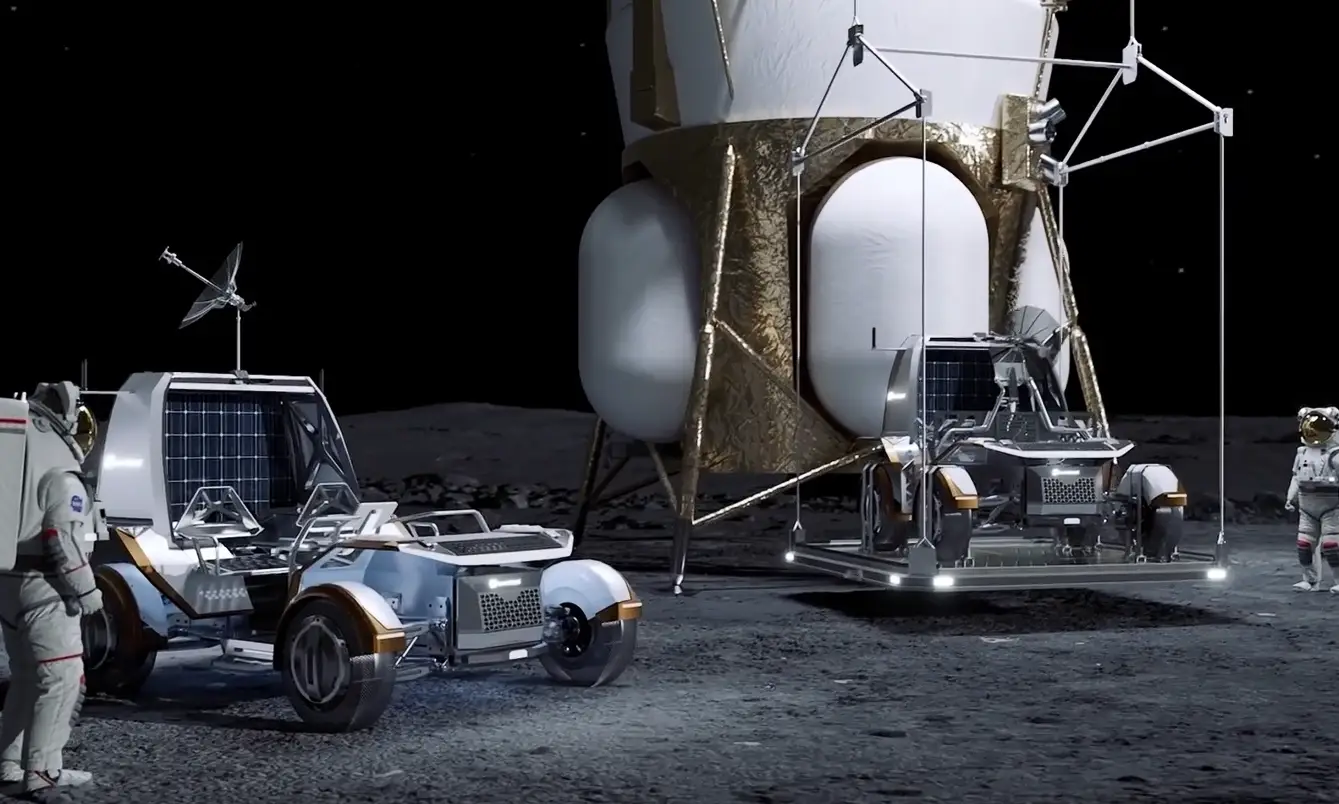
NASA awarded contracts this Tuesday (26) to two companies to develop 21st century versions of the “lunar buggies” used by astronauts on the Apollo missions in the early 1970s.
Lunar Outpost, from Golden (Colorado), and Venturi Astrolab, from Hawthorne (California), will each receive around US$220 million to build the vehicles.
Carlos García-Galán, responsible for the NASA program that aims to build a lunar base in the next decade, said the agency wants to have a rover ready on the surface when the next astronauts arrive. This could happen as early as 2028, with the Artemis IV mission.
“It’s absolutely a goal,” García-Galán said at a press conference on Tuesday, when updating the agency’s plans to build an outpost on the Moon.
The two new vehicles — called Lunar Terrain Vehicles (LTVs) by NASA — will be much more capable than their Apollo-era predecessors. Each will weigh around 1 ton, be able to go up and down inclines of up to 20 degrees and carry two astronauts. When there is no crew nearby, the rovers can move autonomously or be piloted remotely from Earth.
Trump prioritizes “personal agenda” and irritates Republicans months before “Midterms” in the US
“These stupid things are killing our chances,” said an outgoing Republican senator
Both have more modest designs than NASA imagined four years ago. At the time, the agency asked for proposals for what, in practice, would be a 10-year “rental car service” on the lunar surface. Specifications included a robotic arm and a top speed of 15 km/h. In 2024, when it announced the finalists — including Lunar Outpost and Astrolab — NASA said it would choose just one winner and that the vehicle would not be ready before 2030.
When Jared Isaacman took over as head of NASA this year, he decided to reduce requirements and speed up the schedule. The maximum speed dropped to around 10 km/h, the robotic arm was eliminated and, instead of a 10-year contract, the agency started asking for a duration of just one year.
This will allow astronauts to take “moonwalks” sooner. “I have no doubt they will come back with feedback that will guide the design of better vehicles in the future,” Isaacman said.
For Lunar Outpost and Astrolab, the new calendar meant a race to adapt projects to the updated specifications, released at the end of March. Proposals had to be submitted by May 1st.
“We were able to come up with a really solid answer because we had already done a lot of work in the previous phase,” said Jaret Matthews, CEO of Astrolab.
Now, the two companies will have to race again: they need to build the vehicles in 18 months. Justin Cyrus, CEO of Lunar Outpost, remembers that the rover used by astronauts on the Apollo missions was developed in just 17 months.
“We have a month more than they had at the time of Apollo,” Cyrus said. “It will be tight, but also a lot of fun.”
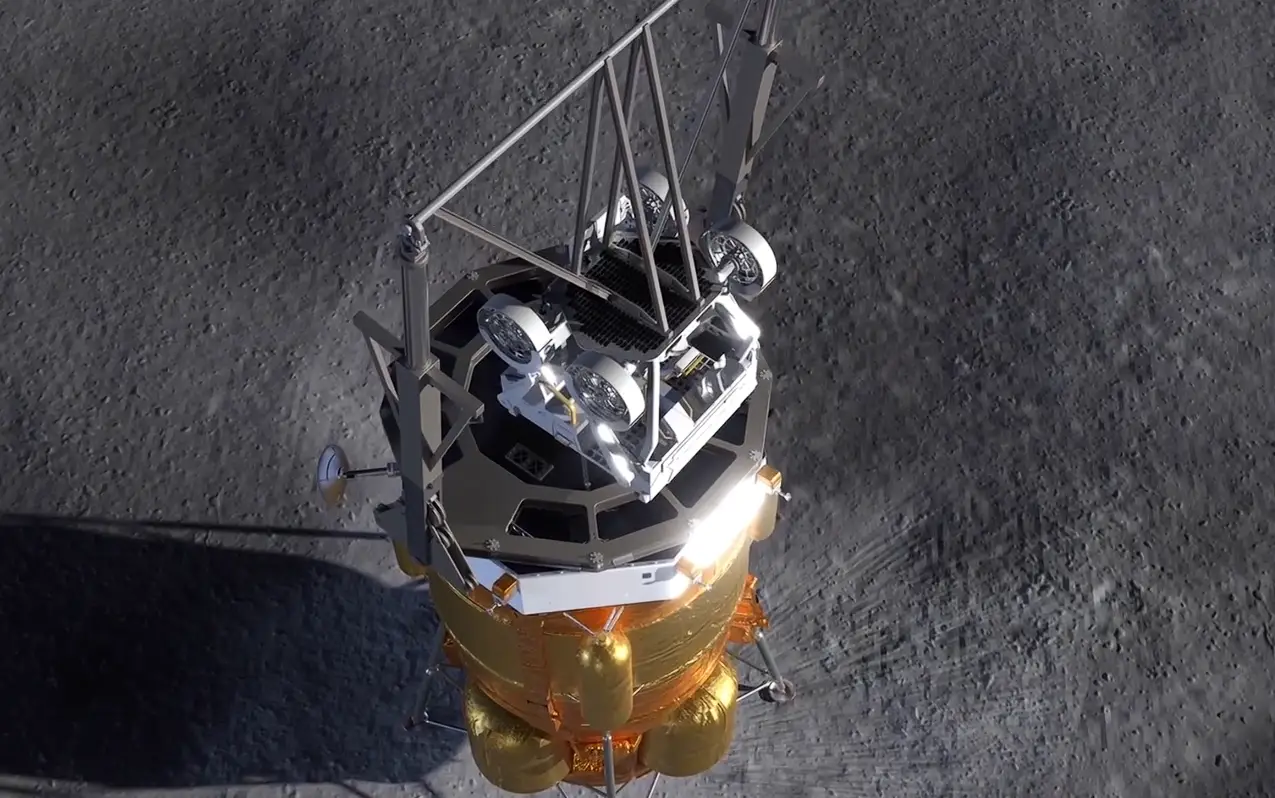
NASA also announced that Blue Origin, a rocket company founded by Jeff Bezos, received a contract worth up to $468 million to take rovers to the Moon.
This Tuesday, the agency also awarded US$75 million to Firefly Aerospace, from Cedar Park (Texas), to transport four robotic drones — under development at the Jet Propulsion Laboratory, in southern California — that will reconnoitre the lunar surface in the south polar region, where astronauts from the Artemis program will land.
These drones will be able to quickly “jump” from one point to another.
“This will help us build a digital map of the terrain at different landing sites on the Moon and prospect areas for a lunar base,” said García-Galán. “All of these things will be critical to better understanding where we are going.”
