
PGR appeals decision that ends compulsory retirement of judge

The Attorney General’s Office (PGR) filed this Monday (30) an appeal against Minister Flávio Dino’s decision that ended compulsory retirement as the maximum penalty for magistrates convicted of serious disciplinary offenses, such as selling sentences, sexual and moral harassment, among others.
After receiving the appeal, which is under judicial secrecy, Dino’s office ordered the parties involved in the process to be summoned to respond within 15 days. The appeal must then be judged by the Supreme Court.
PL claims in the STF that the future president of Alerj can be interim governor
The party’s idea is that Douglas Ruas, pre-candidate for government and favorite in the Legislature, becomes known before the electoral dispute; Minister Zanin gave the opposite decision on Friday
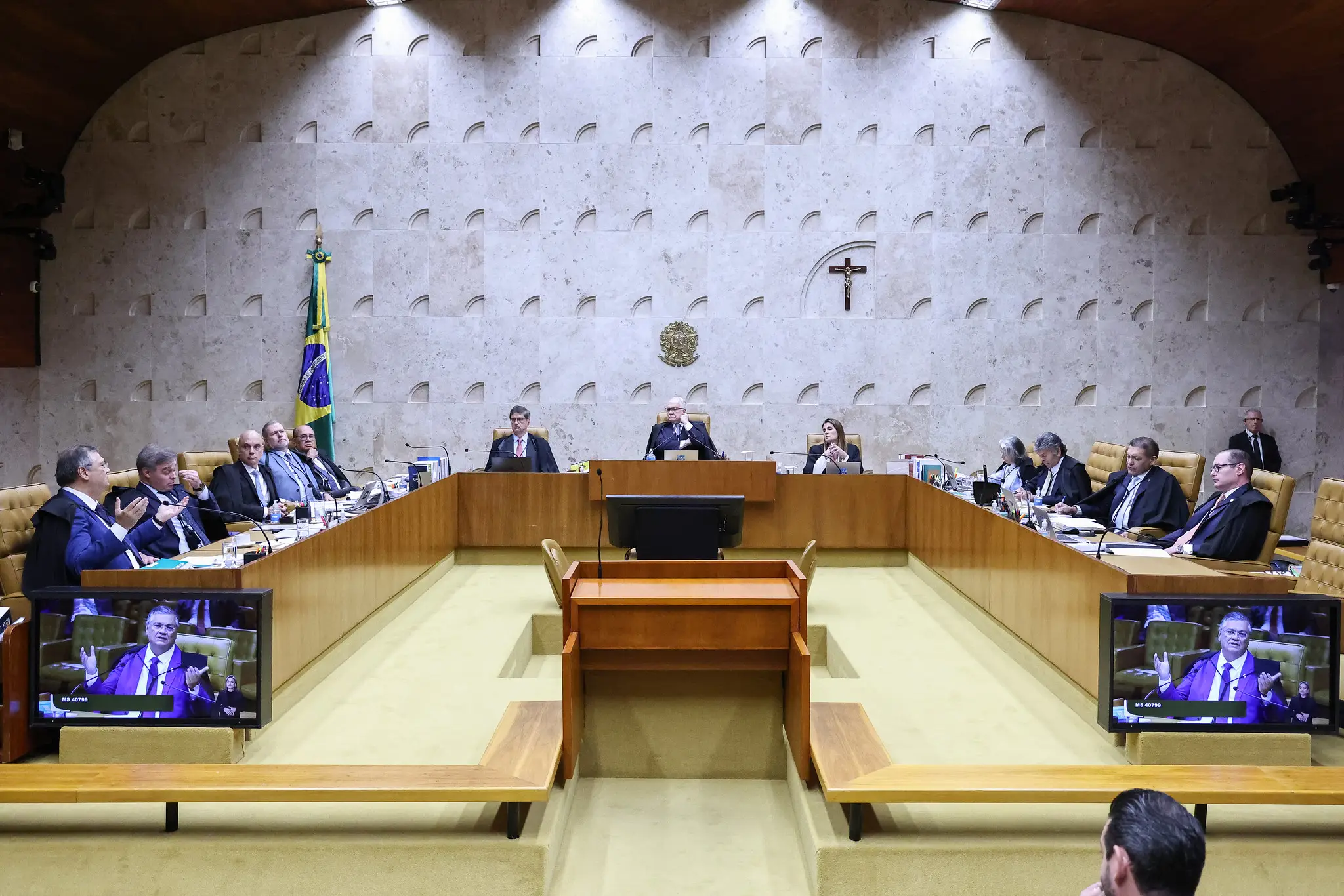
STF decides on 8/4 whether the election for a buffer mandate in Rio will be direct or indirect
The Court will decide whether it will be an indirect election, with the choice made by the State Legislative Assembly, or direct, by popular vote
On March 16, the minister ordered the end of compulsory retirement and claimed that the 2019 pension reform no longer provided for pension benefits and established the loss of office as the most serious punishment. Furthermore, Dino said that the sentence benefits convicted judges.

Punishments
The National Council of Justice (CNJ) was created in 2005 and is responsible for judging disciplinary offenses committed by judges and judges. In 20 years, the body sentenced 126 judges to compulsory retirement, a punishment that allows the convicted person to receive salaries.
The CNJ has applied the Organic Law of the National Judiciary (Loman), a rule that defined disciplinary penalties as warning, censure, compulsory removal, availability with salaries proportional to the length of service and compulsory retirement with salaries proportional to the length of service, the most serious punishment.
