
Poland invokes article 4 of NATO: What does that mean? What happens now?
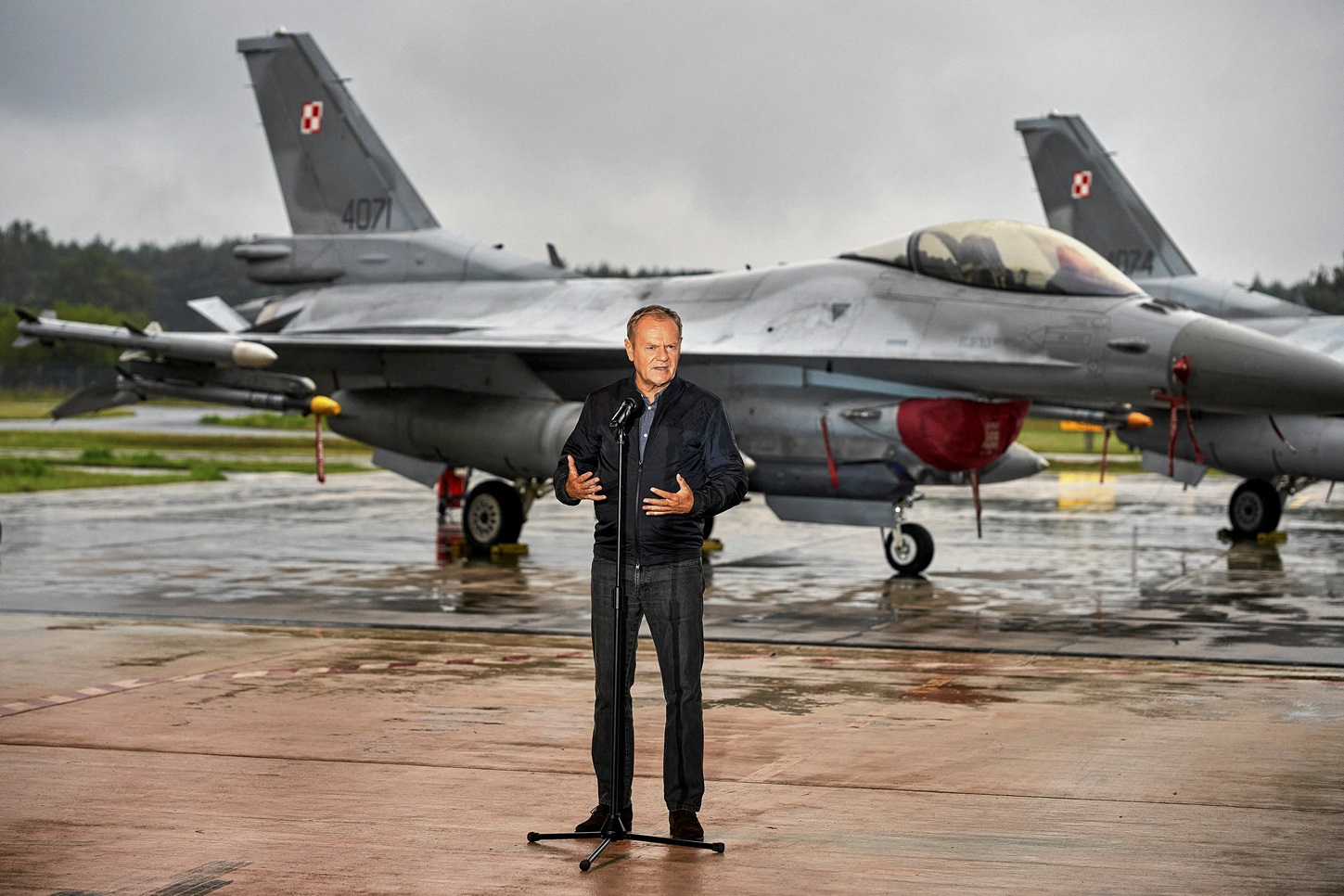
Poland invoked article 4 of the NATO Treaty on Wednesday (10), after the alliance fighters slaughter Russian drones that entered their airspace in the early hours of the morning. Russian drones had crossed Poland before, even twice last week, but this was the first time Russian drones have been slaughtered over the territory of a member NATO country.
“What is clear is that last night’s violation is not an isolated incident,” said Mark Rutte, OTan’s secretary general. “We will closely monitor the situation throughout our eastern rear, with our air defenses continuously in readiness.”
Poland says raids of Russian drones may not have been a mistake and contradicts Trump
Russia said its forces were attacking Ukraine at that time and had no intention of reaching any target in Poland
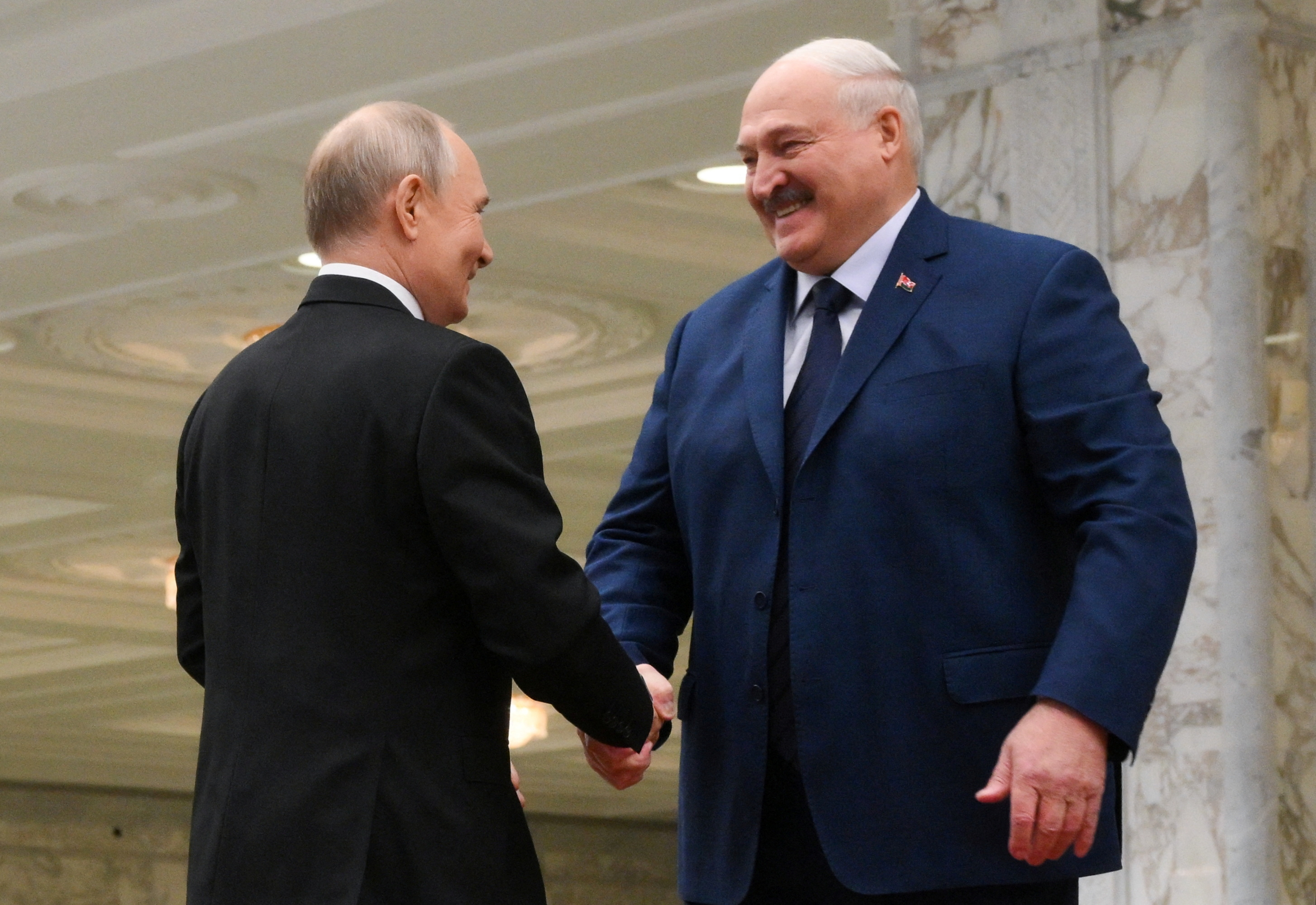
Russia and Belarus begin military exercise near NATO border after drones
The “Zapad-2025” exercise, a demonstration of strength from Russia and his nearby ally, Belarus
Here is what you need to know about article 4 of NATO.
What is NATO?
NATO, an organization of the North Atlantic Treaty, is a mutual alliance of defense created after World War II by the United States, Canada and 10 European countries. The main arrangement of the alliance, article 5, refers to the commitment to treat an attack on a member as an attack on all. When NATO was created, Article 5 placed Western Europe under US protection, while the Soviet Union consolidated its rule over central and eastern Europe.
Since NATO’s foundation, 20 other European countries have joined: Albania, Bulgaria, Croatia, Czech Republic, Estonia, Finland, Germany, Greece, Hungary, Latvia, Lithuania, Montenegro, Northern Macedonia, Poland, Turkey, Romania, Slovakia, Slovenia, Spain and Sweden. There are currently 32 members in total.
What is Article 4?
Article 4 allows a Member State to begin a formal discussion in the alliance of threats to its safety. Although the invocation of article 4 does not oblige NATO to any military action, it is a necessary step for NATO’s decision to invoke Article 5 (Article 5 invokes is often associated with military implications, but NATO Treaty only says that its members will “assist” the attacked part, which may include economic or political actions.)
Article 4 states that the members of the alliance “will be consulted whenever, in the opinion of any of them, the territorial integrity, political independence or security of either party is threatened.”
Since NATO’s foundation in 1949, article 4 has been invoked eight times. Before Wednesday, the last invocation was on February 24, 2022, the day Russia launched its large-scale invasion of Ukraine.
What will NATO do next?
NATO’s joint response on Wednesday morning showed how quickly the war in Ukraine could climb to a military confrontation between Russia and NATO.
Rutte said the alliance air defenses were activated to ensure the protection of Poland. The answer included Holland, Germany and Italy’s air defense systems and air defense systems, he said.
“The safety situation of our airspace has been stabilized, and land -based air defense and radar recognition systems have returned to standard operational activities,” said the Polish army on social networks.
How long has Poland been part of NATO?
Poland joined NATO in 1999. As the country restored democracy after the fall of the Soviet Union, a series of events brought Poland closer to the alliance. Germany reunification has led Poland to share a border with a NATO member, and the formation of the Viseed Group – a cultural and political alliance that includes Poland, Czech Republic, Slovakia, and Hungary – gave these countries more influence on their search for greater integration with the West.
Today, Poland is one of Europe’s largest defense in defense of national income and leads the effort for Europe to strengthen its military capacities.
Was the drones intentionally sent or was it an accident?
It is unclear whether Russia intentionally sought to expand the conflict. The Russian Ministry of Defense said it “did not plan” to reach targets in Poland and suggested that Poland was out of reach of its drones, which is not true. Belarus, an ally near Russia, tried to minimize the incident. His military boss, General Pavel Muraveiko, suggested in an Instagram video that the drones who crossed to Poland “lost their course due to electronic war,” although they had no evidence.