
“Scapegoat” and “lections”: Planalto’s search for betrayals shakes relationship
The historic defeat in the nomination of the Minister of Attorney General of the Union (AGU), Jorge Messias, to the Federal Supreme Court (STF) made the government consider possible betrayals, mainly in parties such as MDB and PP. The distrust shook the relationship between Palácio do Planalto and members of the allied base. Emedebist leaders, for example, reacted by accusing the government of wanting to transfer responsibility for the negative result.
In the PP, interlocutors from Palácio do Planalto claim that the decisive turning point occurred on the day of the vote, when the president of the Senate, Davi Alcolumbre (União-AP), began to act directly and would have managed to consolidate the majority of the bench, which totals seven votes.
The movement would have included the president of the party, senator Ciro Nogueira (PI), who had declared support for Messias, but remained alongside the president of the Senate throughout practically the entire session — a gesture interpreted as alignment with the articulation.
In the MDB, the reading in Planalto is that the articulation found an echo in organized dissent on the bench. Government members believe that Alcolumbre also played an important role in consolidating these votes, by exploiting dissatisfaction with the choice made by President Lula and cross-interests in the dispute for the seat on the Supreme Court.
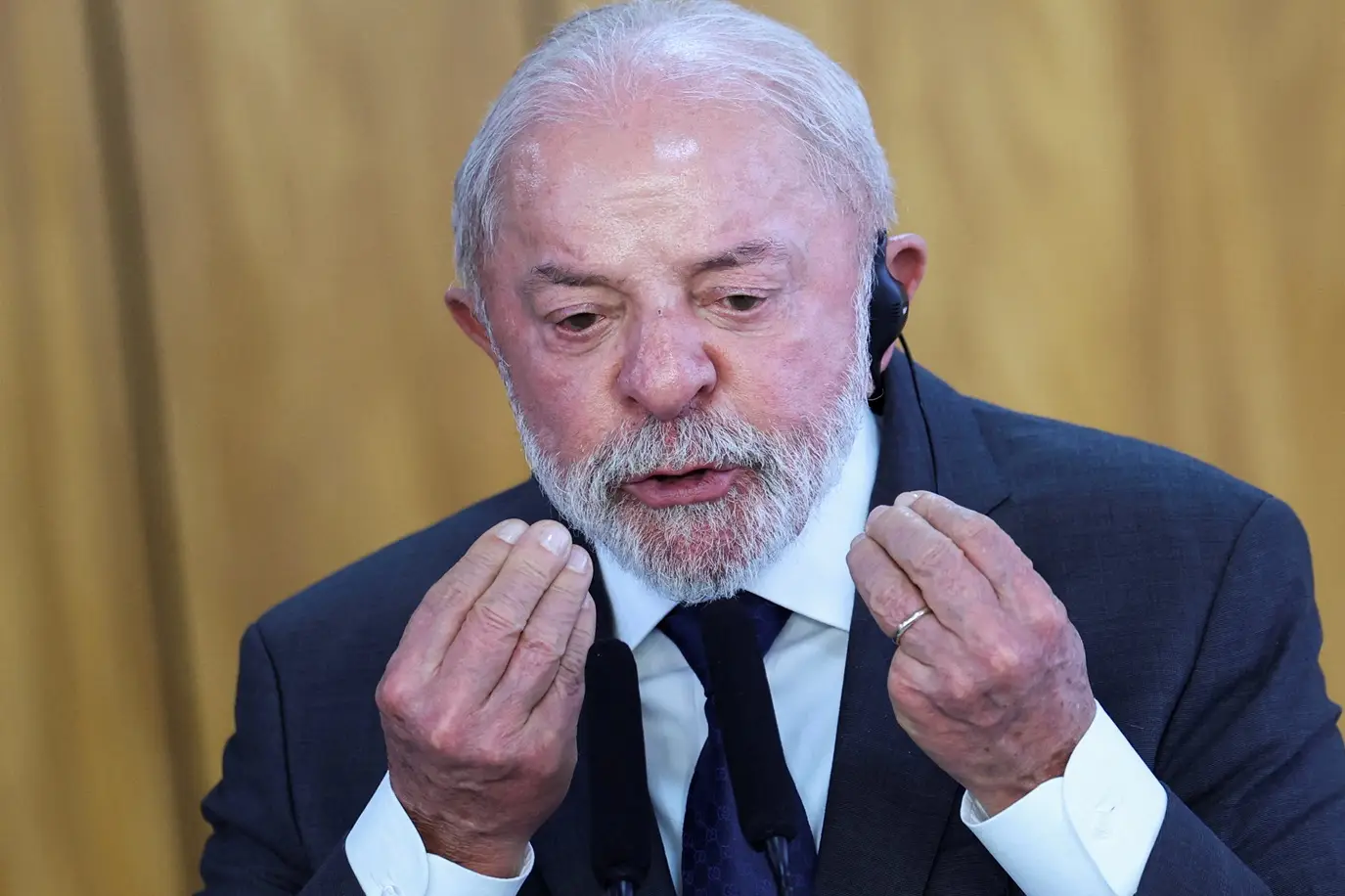
Lula plans to make a new appointment to the STF after historic defeat
President is considering nominating a woman for the position and faces pressure from the opposition to postpone the choice until after the elections
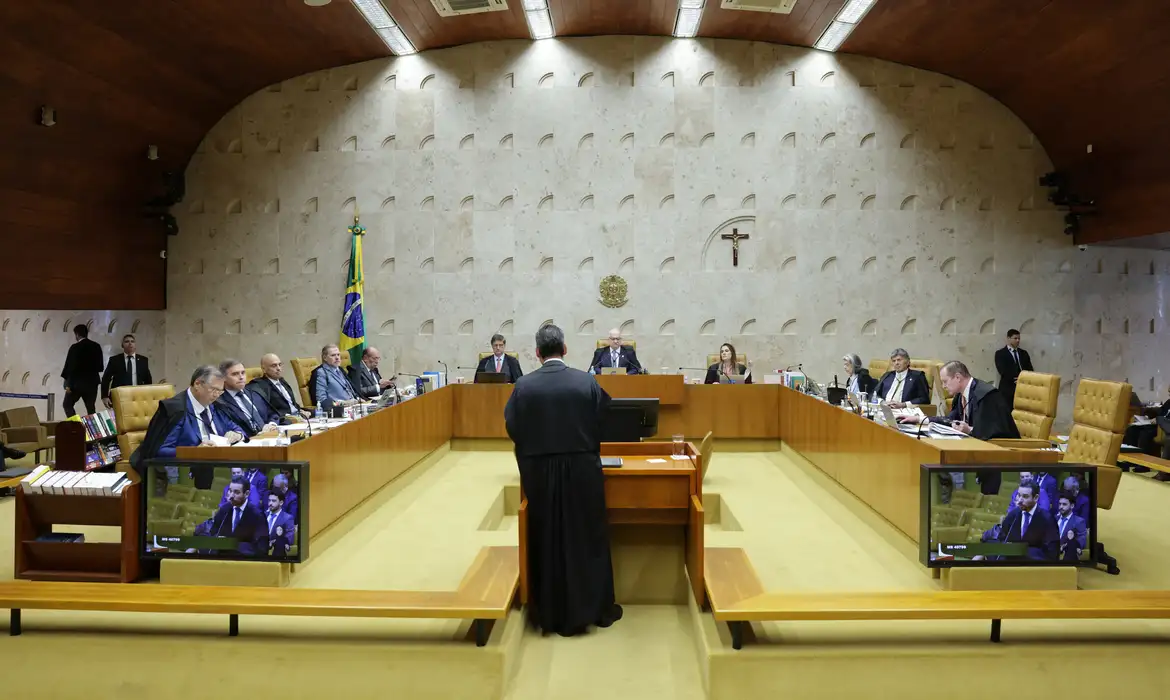
STF forms majority to overturn payroll tax exemption extension, but maintains agreement
The norm, however, no longer produces practical effects, since a subsequent agreement between the Executive and the Legislative established a new regime
In a speech on national television on Thursday night on the occasion of Labor Day, President Lula twice mentioned obstacles imposed by the “system”. The PT member stated, in one of the excerpts, that “every time we take a step forward to improve the lives of the Brazilian people, the system works against us” (more details on page 13).
‘Scapegoat’
The leader of the MDB in the Senate, Eduardo Braga (AM), denied that the party bench had acted against the nomination. In a note, the senator classified the versions as “intrigue” and “slander” and stated that the government is trying to transfer responsibility for the defeat: “Those who should learn from their mistakes are alienating allies by trying to create a ‘scapegoat’ for the situation”, he argued.
Senator Renan Calheiros (MDB-AL) also denied having betrayed the government. “The conclusions about the MDB are unfounded and the speculations about my vote, from senators Renan Filho and Eduardo Braga, are unfounded. We worked and voted for Jorge Messias. Defeats should teach and not generate lysergic effects from the Trojan horse within the government”, wrote Renan on social media.
Messiah had just 34 votes in his favor, seven less than necessary. The vote was secret. The nucleus most ideologically aligned with the government, formed by senators from PT, PDT and PSB, has 18 votes. Another 13 had declared that they were in favor of Messiah’s nomination, but there is no certainty in the government about the loyalty of these parliamentarians.
The favorable group was made up of seven senators from the MDB (Alessandro Vieira, Confúcio Moura, Eduardo Braga, Jader Barbalho, Renan Calheiros, Renan Filho and Veneziano Vital do Rêgo), four from the PSD (Carlos Fávaro, Eliziane Gama, Lucas Barreto and Otto Alencar), in addition to Ciro Nogueira, from the PP, and Dr. Eudócia, from the PSDB.
If all of them kept their word, the score would reach 31 votes. But the government is evaluating a scenario with support from undecided voters and betrayals from senators who are theoretically closer.
Accounts
In these accounts, opposition parliamentarians would, in theory, have guaranteed the votes of all 16 PL senators, in addition to 11 senators who declared a vote against Messias, such as five from the Republicans, in addition to Carlos Viana and Mara Gabrilli, from the PSD.
The group of 21 senators in dispute included parliamentarians who were notably oppositionists, but who did not speak, but also congressmen considered close to the government.
Four senators interviewed by GLOBO, under reservation, reported that Alcolumbre contacted centrist, opposition and undecided parliamentarians throughout the day, asking for a vote against Messias and encouraging these senators to also seek to convince other colleagues. When contacted, the Senate president’s advisors rejected such a move.
Jaques Wagner is charged after making mistakes in calculations
Members of Palácio do Planalto claim that the leader of the Senate government, Jaques Wagner (PT-BA), will have to answer for having drawn up a mistaken voting scenario for the nomination of minister Jorge Messias, from the Attorney General’s Office, to the Federal Supreme Court.
At 1:15 pm on Wednesday, Wagner predicted Messiah’s approval by 45 votes. In the afternoon, Lula called Wagner at Palácio da Alvorada to follow up on an agenda with the governor of Bahia, Jerônimo Rodrigues (PT), and questioned him about Messias’ situation in the Senate.
Back in Congress, after the meeting with Lula, Jaques Wagner predicted a lower score than the previous one, of 41 votes, the threshold necessary for approval, and reported the dialogue with the president in which he reassured him.
There is also criticism of Minister José Guimarães, responsible for political articulation, who took office two weeks ago. Allies say the government should have acted to postpone the vote in the plenary. For this group, the Executive underestimated the risk of defeat.
