
Who has already been rejected for the STF? Understand history in the Senate
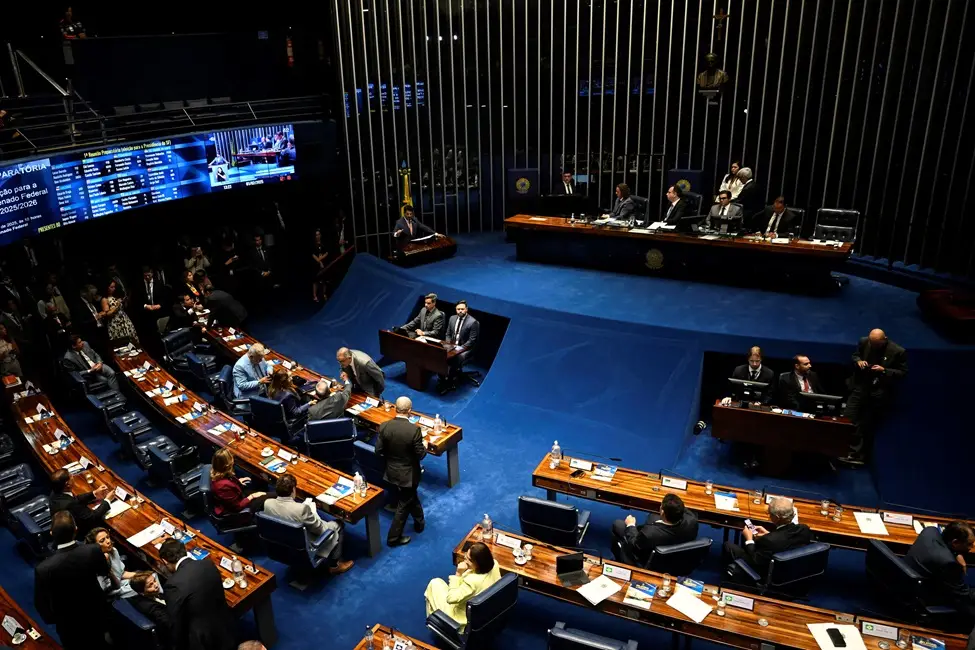
The possibility of rejecting a nominee to the Federal Supreme Court (STF) is today treated as remote, but history shows that the Senate has already exercised this power decisively.
In more than a century of the Republic, only five names were barred — all in 1894, during the government of Floriano Peixoto.
The episode occurred in a context of strong political instability. The country was facing internal conflicts, such as the Federalist Revolution and the Armada Revolt, while the Supreme Court began to position itself as a limit to the Executive’s decisions. Faced with this scenario, Floriano tried to change the composition of the Court with appointments aligned with the government, taking advantage of the lack of more detailed criteria in the 1891 Constitution.
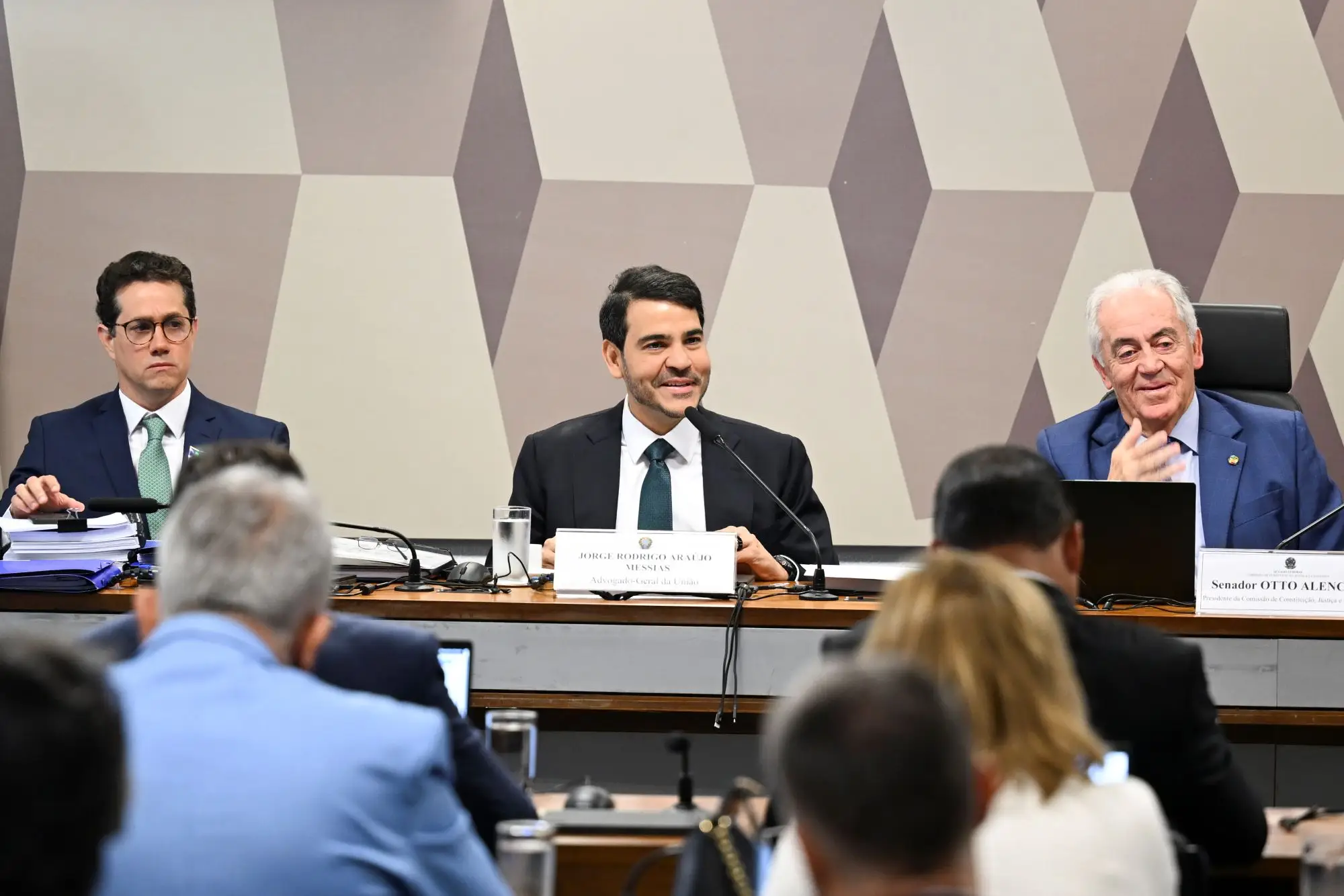
Sabatina in the Senate: What happens if Messias is rejected for the STF?
Rejection of a nominee for the STF has not occurred since 1894 and puts pressure on voting for Messias
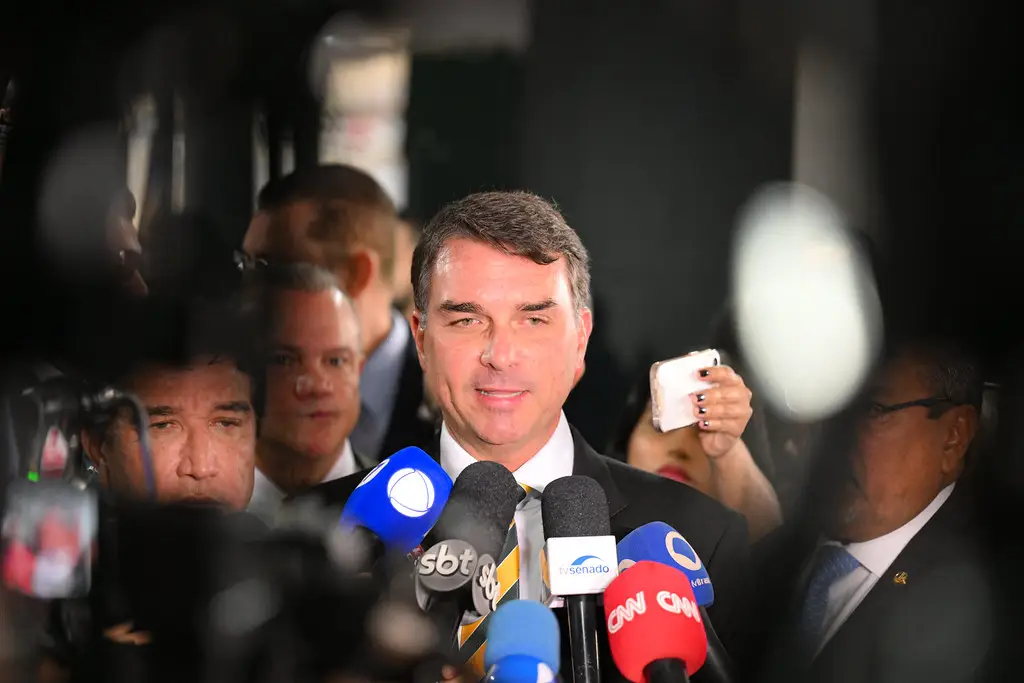
January 8th and INSS: The questions and answers from Flávio’s inquiry into Messias
Senator questions STF judgments, amnesty and AGU’s role in fraud against retirees
The Senate’s reaction established an institutional framework. Among the rejected names, the most symbolic case was that of Cândido Barata Ribeiro, doctor and former mayor of the Federal District. Even after holding the position for around ten months, he was refused appointment due to his lack of legal training and criticism of his administrative performance.
Other nominees reinforced this understanding. General Ewerton Quadros and administrator Demóstenes Lobo were also barred for not meeting the technical criteria expected for the role. The decisions consolidated the interpretation that the STF should be composed of jurists, and not names with a political or military profile.
The last two rejections that year increased the rigor. Innocêncio Galvão de Queiroz and Antônio Sève Navarro had a degree in Law, but they did not convince the senators regarding the requirement of “remarkable legal knowledge”. The Senate then began to demand not just a diploma, but a professional trajectory compatible with the Court.
After the sequence of defeats, the government was forced to review its strategy and nominate names with greater technical support, which ended up being approved. This movement helped establish a pattern that remains today: presidents avoid submitting candidates with a high risk of rejection to the Senate.
Since then, the veto power has not disappeared, but has changed its form. The evaluation of names began to take place before the formal nomination, in political negotiations that reduce the chance of public confrontation. Even in recent cases of strong resistance and close votes, no nominee was rejected.
