
With Messias’ defeat, nomination to the STF could be the choice of new president
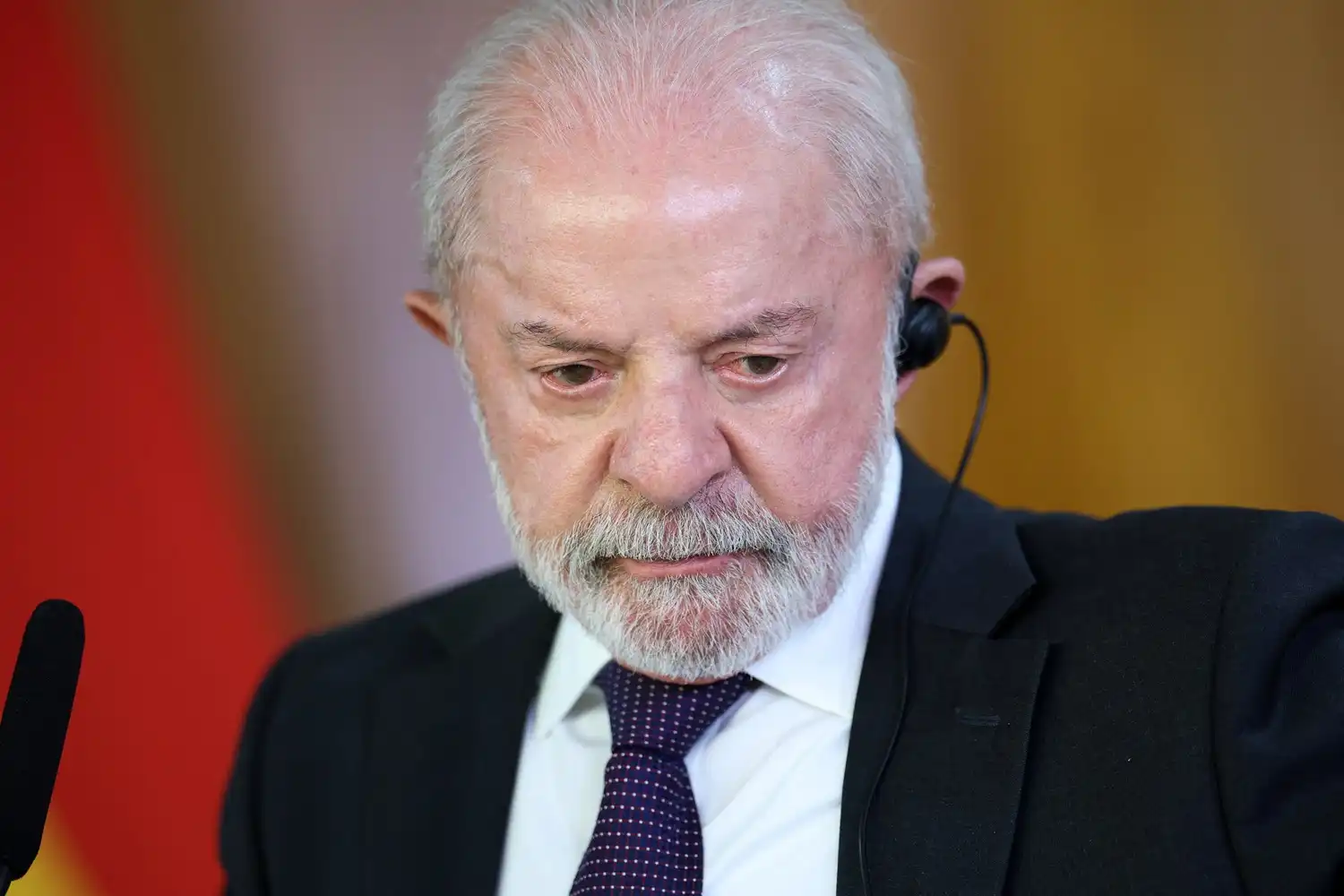
The historic defeat of Jorge Messias, who had his nomination to the Federal Supreme Court rejected by 42 votes against 31 votes in favor in the Senate, also represents a loss for President Luiz Inácio Lula da Silva, who, six months before the election, may end his term without being able to place another name on the Supreme Court.
Analysts interviewed by InfoMoney assess that the refusal of Messias’ name to the STF highlights the government’s weak points and exposes the strained relationship with the president of the Senate, Davi Alcolumbre — who predicted the exact score of the secret vote before the session took place.
Alcolumbre predicted Messias’ defeat before voting in the Senate plenary
Jorge Messias’ nomination to the Supreme Court is the first rejected by the Senate since 1894
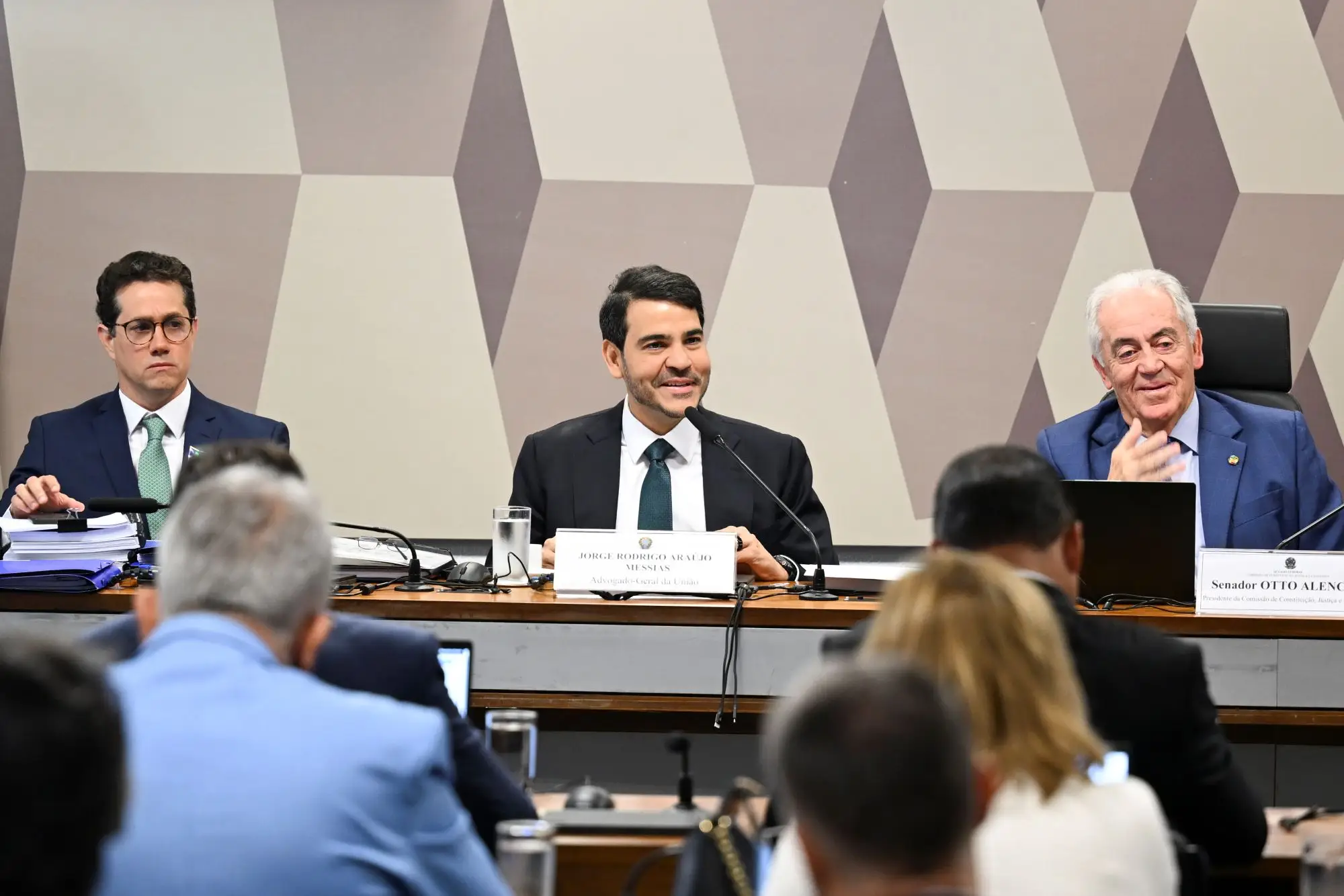
Messiah is rejected for a vacancy in the STF by the Senate: what happens now?
Rejection of a nominee to the STF has not occurred since 1894
“The rejection of Jorge Messias’ name from the STF brings a very big problem to the government and shows us that coordination with the Senate is shaken”, highlights Roberto Goulart, professor at the Institute of International Relations at the University of Brasília.

For the professor, the defeat, six months before the election, is also a strong indication that the government will not be able to create a new name for the Senate Presidency and that the nomination will fall to the president elected in 2027.
“If President Lula is re-elected, then the appointment will take its course. If Lula is not, it may be that the new government will withdraw that name and nominate one of its own”, he concludes.
In this scenario, if Lula loses the elections in October, the nomination to the STF could leave the progressive camp and go to a right-wing leader, possibly the senator and pre-candidate for President, Flávio Bolsonaro (PL-RJ). If the prediction comes true, the Bolsonaro family will be able to appoint seven new ministers by the end of the term.
Between 2019 and 2022, Jair Bolsonaro appointed ministers Kassio Nunes Marques and André Mendonça to the Court. Between 2026 and 2030, up to three ministers will be able to retire through compulsory retirement and free up vacancies for appointment by the current president.
For Luciana Santana, PhD in Political Science from UFMG and professor at the Federal University of Alagoas, Messias’ defeat also sends a clear message to the federal government: who is holding the pen this time?
“It is an extremely historic defeat, very bitter and problematic for Lula and brings electoral difficulties. We now need to understand if he will try to mediate this situation and make some quick indication and ensure that Alcolumbre evaluates it in a timely manner, if it passes”, he highlights. “Besides, if the election (for president) were held today, Lula would have a very high risk of losing, considering the lack of support in Congress itself, which becomes a new veto point”, he concludes.
Both analysts converge on the understanding that the defeat in the Senate also signals a dire scenario for President Lula if the government tries to schedule significant votes until the elections, at the risk of suffering a new defeat.