
He was a coal miner and became the owner of a billion-dollar data center company
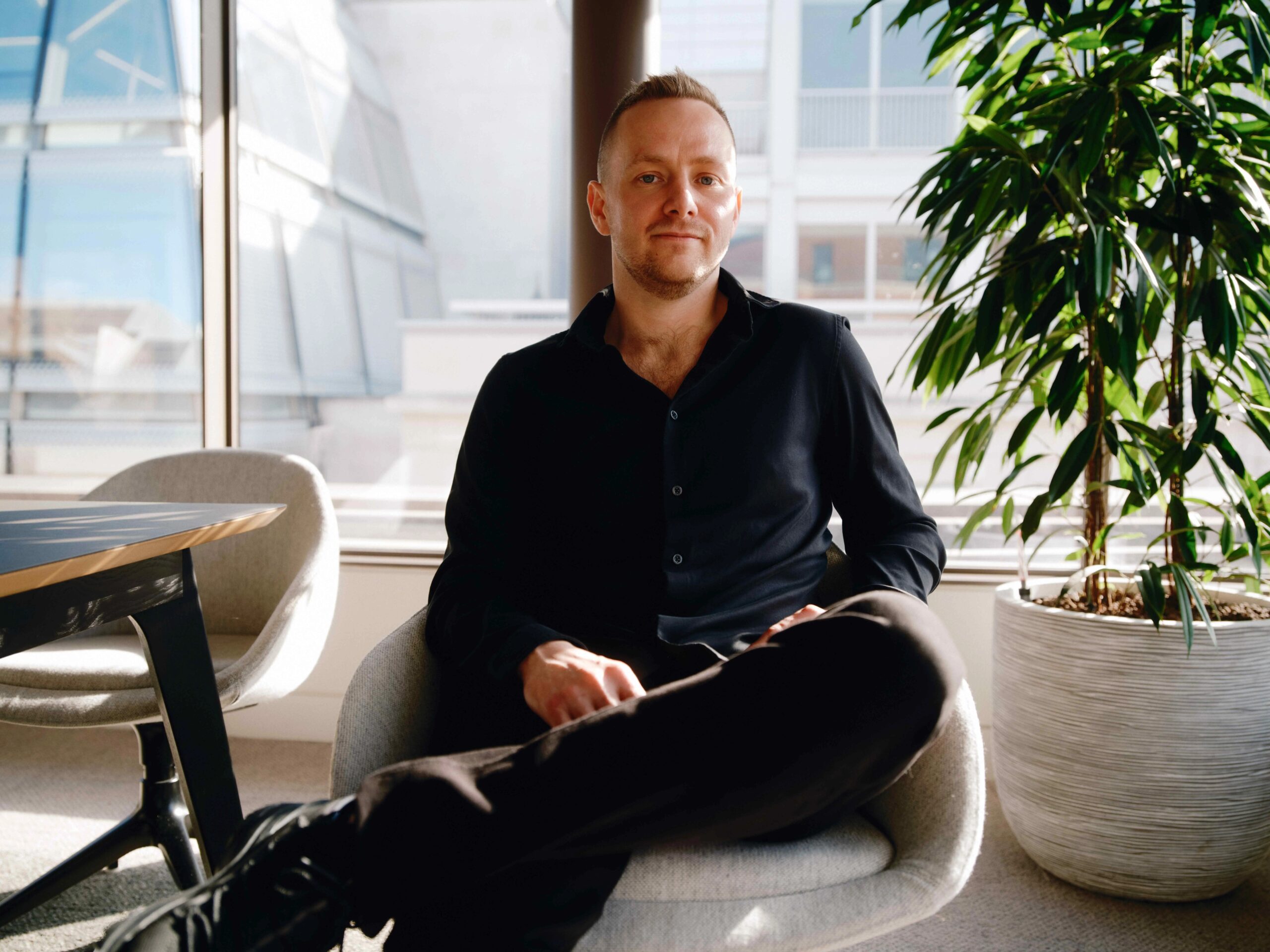
LONDON — After dropping out of high school in an industrial area of Australia, Josh Payne followed an unlikely path to become the head of a multibillion-dollar data center company now at the center of artificial intelligence-driven expansion.
He spent three years working in a coal mine and created websites selling protein supplements and electronics. He then founded a recruitment platform for construction workers in Australia before getting involved in renewable energy and cryptocurrency mining.
Also read: From Zero to Topo Experience: Benchimol and leaders drive entrepreneurs
Then, about two years ago, Payne turned his attention to AI data centers.
It was opportune timing. In 2024, after moving from Australia to London, Payne founded his data center company, Nscale, just when technology companies were desperate for partners who could provide the electricity, semiconductors and other computing resources needed to build AI.
Drawing on his connections in cryptocurrencies and energy, Payne was able to offer just that.
Today, he counts Microsoft, OpenAI and ByteDance, owner of TikTok, as clients. Jensen Huang, CEO of AI chipmaker Nvidia, gave Payne a bottle of Johnnie Walker whiskey after signing a deal with Nscale last year.
“He was surprised to learn I came from the coal mines,” Payne said in a recent interview.
Nscale announced it has raised $2 billion from Nvidia and other investors, including Norwegian industrial giant Aker and venture capital firm 8090 Industries. The deal values the company at US$14.6 billion.
Sheryl Sandberg, Meta’s former chief operating officer, is joining Nscale as an advisor and member of its board of directors. Nick Clegg, another former Meta executive, and Sue Decker, a former Yahoo executive, also joined the board.
Payne’s unconventional trajectory illustrates the current AI boom: investments are on the rise, emerging companies are growing at a rapid pace and new fortunes are being created.
Nscale shares another characteristic of this AI era by accumulating significant financial obligations. Last month, the company took on $1.4 billion in debt, including financing from Blue Owl, a Wall Street firm under scrutiny for risky lending practices. In September, it raised another US$1.1 billion from investors.
Over the next five years, the company expects to need more than US$45 billion for data center projects around the world, with projects underway in the United Kingdom, Iceland, Norway, Portugal, Texas and an undisclosed location in Southeast Asia.
More cautious global investors see signs of a broader AI bubble. They argue that, even though it is a generationally transformative technology, young companies are at risk of spending billions without a clear path to generating returns. They are building facilities with a lifespan of more than 15 years, but often with contracts of only about five years.
Critics warn that if the boom slows — or if customers don’t renew their contracts — some companies will fail.
“Increasingly, it seems like a question of when, not if, the AI bubble will burst,” warned hedge fund Man Group in a recent report.
Payne said Nscale is only building facilities in locations where it already has customers. The energy required will total around 5.5 gigawatts, equivalent to the consumption of approximately 5 million American homes.
“We are experiencing insatiable demand,” Payne said.
Nscale is part of a new generation of data center providers known as neoclouds, which seek to profit from AI by taking on the financial risk of building the massive infrastructure needed for the technology.
Other companies in this segment include CoreWeave, based in New Jersey; to Nebius, in Amsterdam; and IREN, in Sydney.
Microsoft and other AI giants are using neoclouds to offload some of their own financial responsibilities. They can strike deals with companies like Nscale to acquire computing capacity quickly and then wait to see how demand for AI evolves before committing to their own expensive projects.
Oyvind Eriksen, CEO of Aker, one of Norway’s largest companies, said he met Payne last year after the Nscale leader got in touch via LinkedIn. They struck a deal to build data centers in Norway, and Eriksen now sits on Nscale’s board of directors.
He said the company could withstand a downturn because it has access to capital, cheap and reliable electricity and customer contracts that help cover construction and semiconductor costs.
“Volatility is likely,” Eriksen said. Nscale, according to him, may acquire other companies in difficulty “when the correction happens”.
Payne said his interest in entrepreneurship began when he read books like “Work 4 Hours a Week” during his time off at the mine. He became interested in data centers about five years ago while working for investors financing renewable energy projects in Australia. Data centers were seen as ideal consumers of surplus electricity.
He found that the Arctic regions of northern Norway had some of the cheapest renewable energy sources in Europe — hydropower that costs about 3 cents per kilowatt-hour, compared with about 20 cents on average on the continent. In 2022, he booked flights from Sydney to Oslo that took more than 24 hours.
“I stayed there for two weeks and left with a letter of intent to acquire a project, which at the time was a bitcoin mine,” he said.
After the launch of ChatGPT in late 2022, interest in data centers exploded. But Payne’s big breakthrough only came last year, when he got a meeting with Microsoft. The company is now Nscale’s largest customer; they work together on projects in Norway, Portugal, the United Kingdom and Texas.
The deal with Microsoft, estimated last year by Bloomberg at $23 billion, involves considerable risks. If Microsoft decides it no longer needs Nscale when the contract ends, Payne will have to find another big customer for Nvidia’s data centers and 200,000 AI chips.
The average length of Nscale’s contracts is about 5 1/2 years, Payne said, although he did not reveal the terms of the agreement with Microsoft. He said Nscale expects to partner with the tech giant for a “long time” but that his company will be able to find other uses for its data centers if the contract expires.
Nscale is trying to attract more clients, including European governments seeking non-U.S. technology companies for AI partnerships, Payne said.
