
Tarcísio demands “country project” and questions PT’s agenda
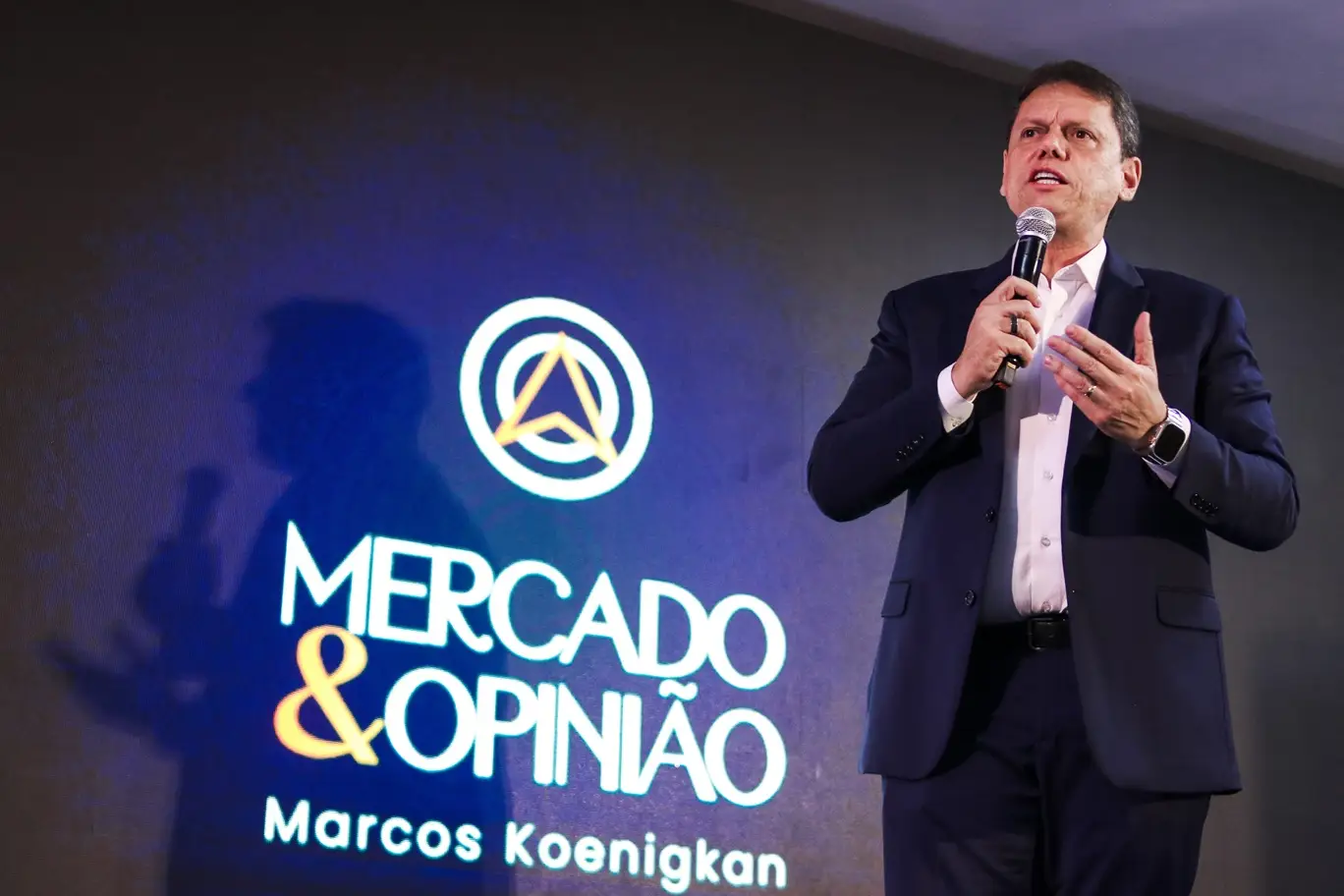
The governor of São Paulo, Tarcísio de Freitas (Republicans), used the meeting of businesspeople from the Mercado e Opinião group, this Tuesday (31), to cast doubt on the quality of the electoral debate in the country and directly question the absence of structural proposals in the presidential dispute. In a critical tone, he stated that the election is approaching without clarity on the path forward for Brazil.
“We are going to a presidential election. What ideas are on the table? Does anyone know?”, he said.
According to the governor, issues such as productivity and inequality are no longer at the center of the agenda, replaced by short-term discussions and agendas with electoral appeal.
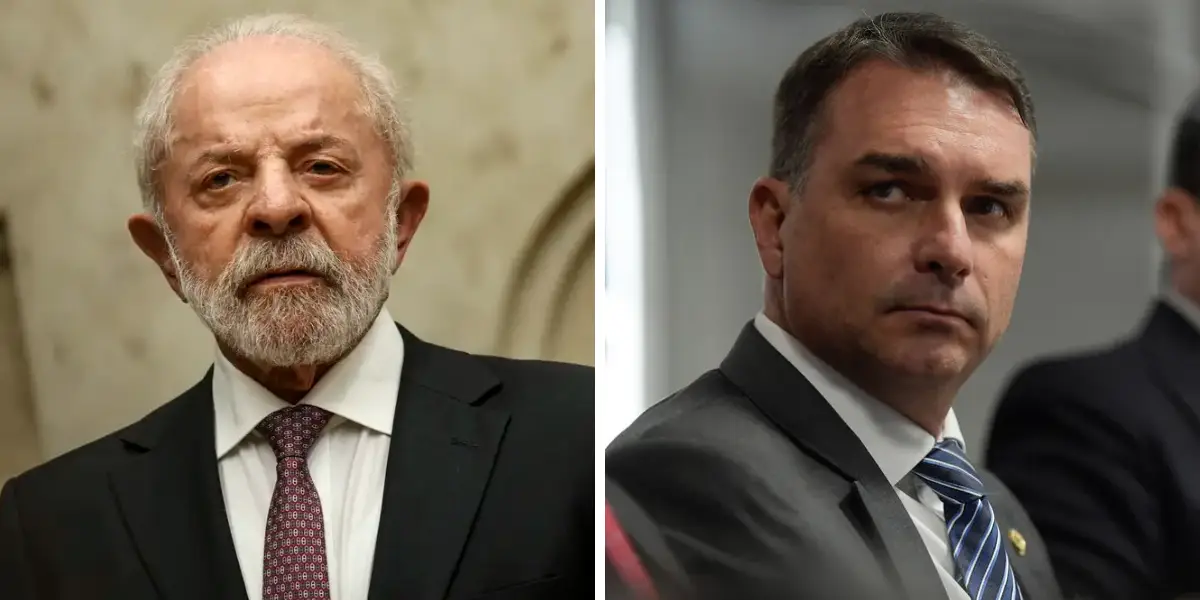
Lula accuses Flávio Bolsonaro of appealing to Trump for interfering in the elections
President mentioned in a ministerial meeting the senator’s trip to the Conservative Political Action Conference (CPAC), in the United States, one of the biggest conservative events in the world
Elections 2026: who are the 6 pre-candidates for the Presidency of the Republic
Despite the announcements, candidacies will be made official at the Superior Electoral Court (TSE) in August, when campaigns begin
“What is the project? What’s new?”, he asked when mentioning proposals presented by opponents, in indirect criticism of the federal government.
The criticism is accompanied by a reading about the functioning of the electoral cycle. For Tarcísio, election years tend to shift the debate towards populism, reducing the space for more complex discussions. He cites as an example the treatment given to topics linked to the labor market.
“When it comes to an election year, the issue is captured by populism, which should not exist in such a serious issue,” he stated.
When commenting on proposals such as reducing working hours, the governor argues that changes of this type require compensatory measures to avoid negative impacts on employment and income.
“For me to take care of the worker, I have to take care of the businessman. If I don’t take care of the businessman, I won’t take care of him”, he said.
Throughout his speech, Tarcísio insists that the country knows the paths that worked in the past, but is unable to replicate them in the present, which he attributes to failures in leadership and political coordination.
“Brazil is not a country where everything goes wrong. (…) We know exactly what the path is,” he stated, citing examples such as agribusiness and the aeronautical industry.
He also associates the difficulty of advancing reforms with the fragmentation of public debate. According to the governor, the current dynamics, marked by social networks and polarization, have reduced the ability to formulate consensus.
“Politics has become a policy of social networks. (…) We have a leadership that wastes time with extreme and useless polarization”, he said.
Tarcísio states that the country is experiencing political disorganization that compromises the definition of priorities and increases the judicialization of decisions.
“There was a time when parties organized politics. Today, no one organizes it,” he stated.
In this context, he argues that the review of the political system must precede other changes. The proposal includes the re-discussion of mechanisms such as re-election and campaign financing.
“The mother of all reforms is political reform. (…) Does re-election still make sense?”, he asked.
