
P20: concentration of income and war are obstacles to food security
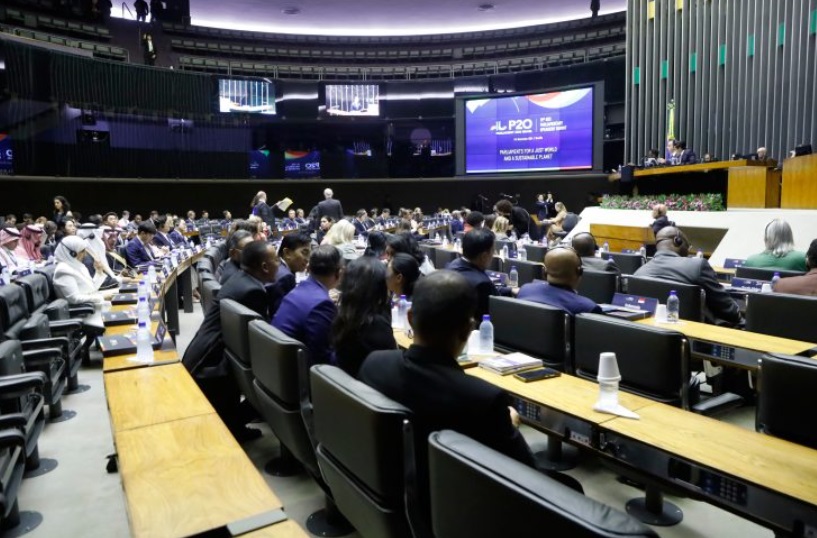
G20 parliamentarians pointed out, this Thursday (7), two main factors that make public policies to combat food insecurity unfeasible: inadequate income redistribution policies and the worsening of geopolitical conflicts.
The congressmen participated in the 1st working session of the P20, under the theme “The contribution of Parliaments to the fight against hunger, poverty and inequality”.
The president of the Mercosur Parliament (Parlasul), Fabiana Martín, opened her speech by informing that 670 million people will continue to face the food crisis in the next decade, if effective measures are not taken, according to data from the Food and Agriculture Organization of the United Nations ( FAO). “There is something we are doing wrong, there is an incorrect action because we are not achieving expected results,” he stated.
“Hunger and food security are not a consequence of external factors, but are a reflection of political decisions. The world produces enough food to feed the entire population, but we are doing something wrong. Poor distribution and inequality perpetuate this scenario,” added Martín.
P20 is an opportunity to analyze global issues, says Senate president
Created in 2010, the summit is a space for international cooperation led by the presidents of parliaments from G20 countries, a group that brings together the 19 largest economies in the world plus the European Union and the African Union.
She reinforced the role of parliament in containing the “devastating impact of inadequate policies” and said that in this sense the parliamentary front against hunger was created, which brings together more than 500 legislators from South American countries.
Along the same lines, the president of the Senate, Rodrigo Pacheco (PSD-MG), said: “Faced with this alarming scenario, the role of parliaments is essential to develop solutions and promote social and economic justice”.
“Commitment and cooperation between nations are fundamental to building a future without hunger, without poverty and without extreme social inequalities with legal frameworks that effectively face these challenges”, pointed out Pacheco.
Wars
The Speaker of the House of Commons, Lindsay Hoyle, cited the wars in Ukraine and Gaza as factors in the resurgence of hunger and poverty. According to him, the solution must come from joint work between parliaments and multilateral forums.
“We saw in Ukraine a sovereign country that was invaded. This stopped the flow of grains to the poorest countries in Africa that also suffered due to that illegal occupation of Ukraine that should never have happened”, he criticized.
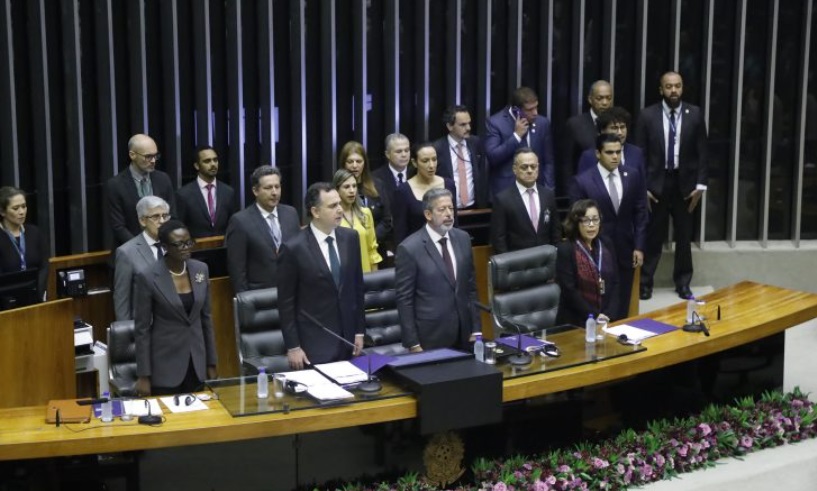
At the opening of the P20, authorities demand solutions for inequality and the climate crisis
The president of the Chamber, Arthur Lira (PP-AL), highlighted the responsibility of deputies and senators in promoting measures that increase the presence of women in bodies of power
Political polarization
Parliamentarian Xiunxin Deng, from China, criticized the current political polarization, which in his opinion, contributes to instability in food prices and increased inequality. He defended multilateral forums and reinforced the importance of serving vulnerable populations.
“We have to reduce barriers to accessing technology and strengthen cooperation, increasing the level of multilateralism at the UN and WHO,” he said.
“In addition to prioritizing poverty reduction, we must make sure that resources go towards health, agriculture and technology support for countries, eradicating discrimination against women who make up half of the world’s poor people,” he added. .
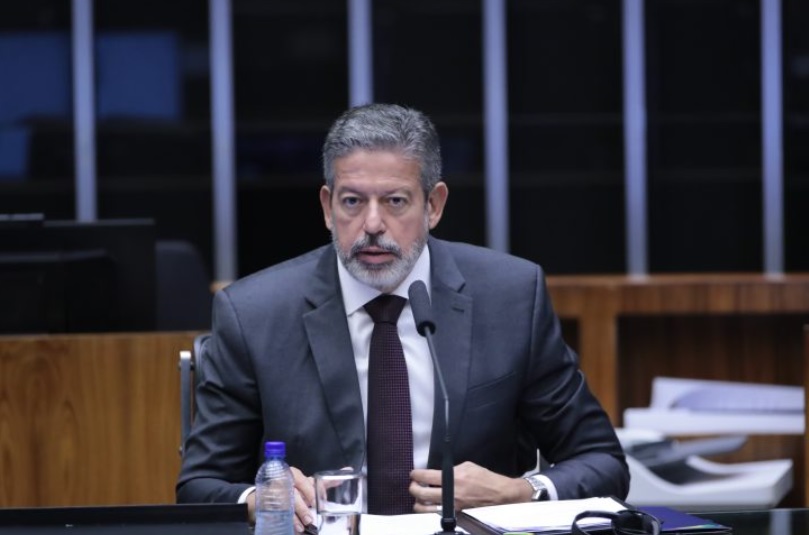
Lira: Parliaments need to discuss combating poverty and sustainable development
Arthur Lira, who took command of the P20 in October last year, also highlighted the responsibility of deputies and senators to promote measures that increase the female presence in bodies of power
Income transfer
The vice-president of the Indian Senate, Shri Harivansh, listed income transfer policies as “game-changing measures” in combating poverty in his country. According to him, these actions, together with health policies and access for the most vulnerable to the financial system, lifted more than 200 million people out of poverty between 2014 and 2023.
“During the pandemic, we benefited from free food for millions of people to reach the most vulnerable. India also prioritized better nutrition for children, women and adolescents,” he highlighted.
“Parliament approved a law that brings mandatory education to children and adolescents, to break the cycle of hunger and inequality, bringing opportunities to young people”, added the parliamentarian.
Singapore Parliament Speaker Kian Peng Seah also defended equitable policies and said parliament played a decisive role in supporting income distribution:
“We have a support system that has subsidies to focus on low-income and vulnerable groups, for education, health care and social assistance. We have had a support network that leaves no one behind. Over the years, we have had an approach that goes beyond assistance, our efforts have had positive results in increasing mobility and income”, he concluded.