
With Gleisi in ministry, Lula strengthens PT in government, but can isolate Haddad
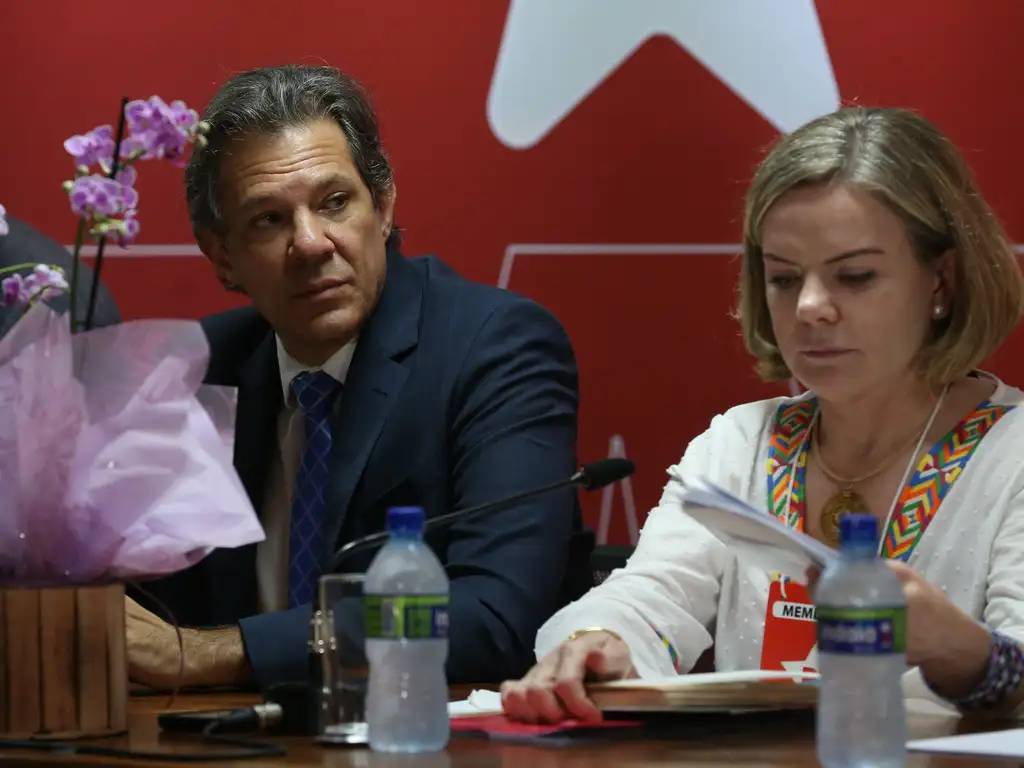
President Luiz Inacio Lula da Silva (PT) expanded the influence of the PT on the central core of the government by appointing, on Friday (28), Mrs Gleisi Hoffmann to command the Secretariat of Institutional Relations. The decision strengthens the most critical wing of the economic policy of Finance Minister Fernando Haddad, who has lost space in the main internal discussions.
Although the name of the PT president was already among those listed for the position, Lula’s allies tried to convince him to choose a person outside the party to expand the dialogue with Congress. However, the president prioritized political confidence in the choice.
Initially, it was expected that he would make more room for Centrão in Planalto, but the fall in government popularity caused center parties to retreat into interest in new posts.
Download yours
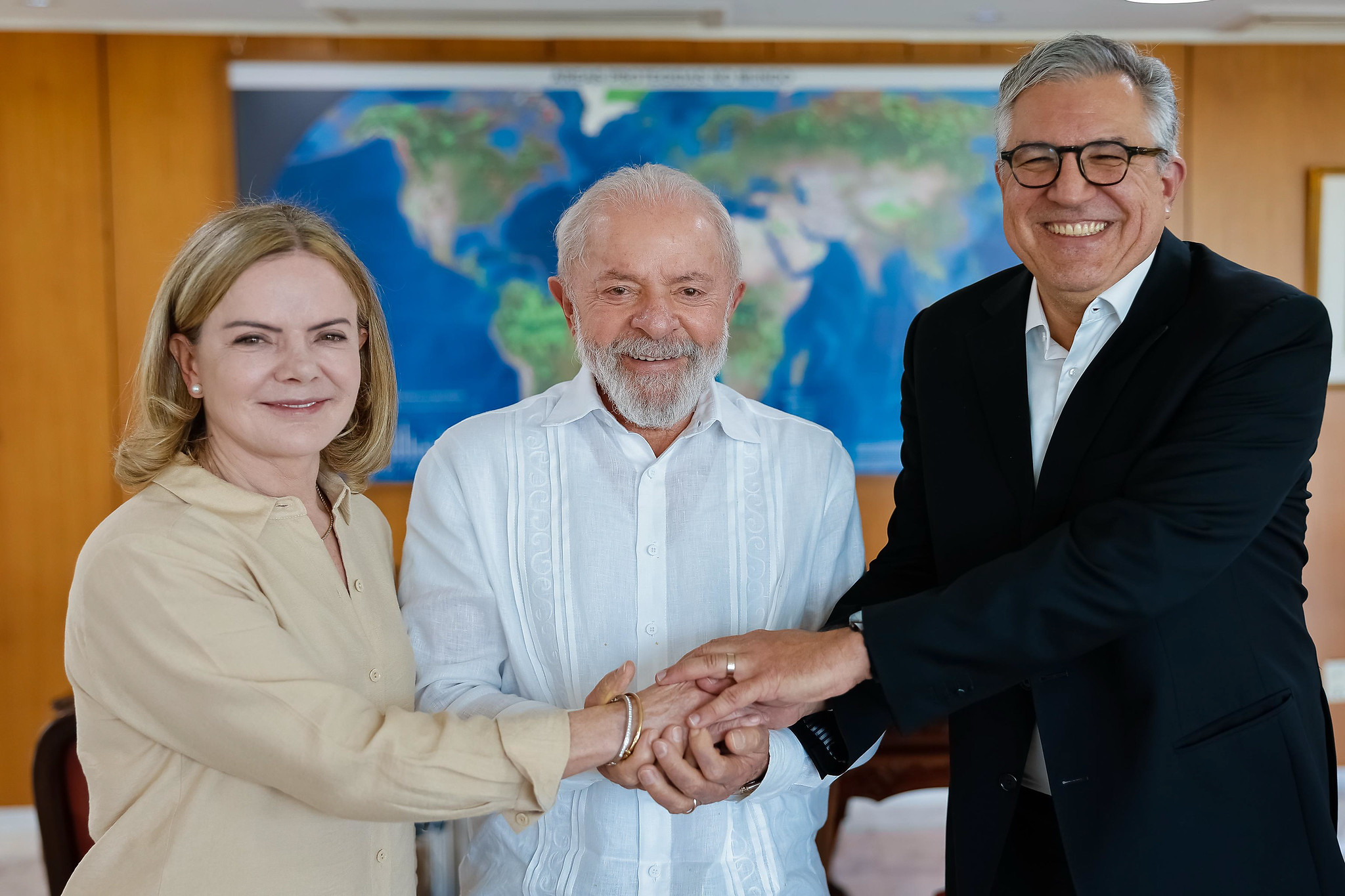
Lula says Gleisi ‘comes to add to the dialogue with legislature and states
The choice for Gleisi Hoffmann was a turnaround. Until last week, it was given to be certain in Brasilia that she would go to the General Secretariat of the Presidency of the Republic in place of Minister Márcio Macêdo
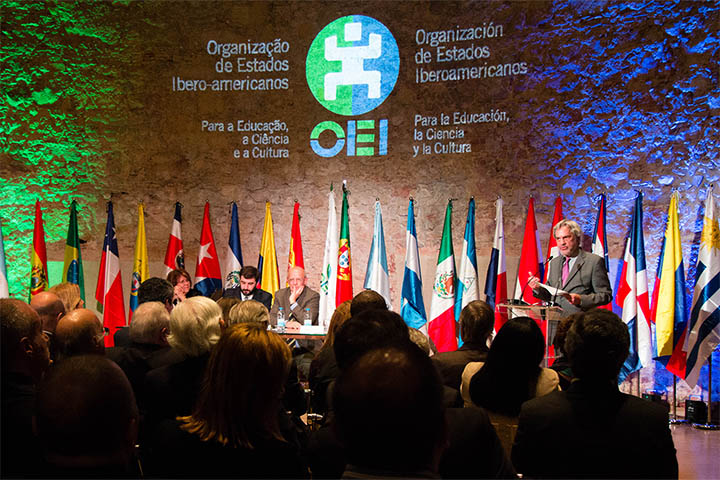
Government hires international organization for R $ 478 million to organize COP30
Without bidding, OEI was chosen to plan the event in Belém; The contract runs until 2026
Gleisi’s arrival should increase the pressure on Haddad, who had been playing an important role in the articulation of economic agendas in Congress.
The deputy has a history of criticism of the minister’s fiscal adjustment measures and has already stated in an interview with the The globewhich considers “a right and tradition” of the PT to contest economic policies. Behind the scenes, she should align with the Minister of the Civil House, Rui Costa, one of Haddad’s main internal opponents.
The tension between the groups has already manifested itself in recent decisions, such as increasing the income tax exemption range and the release of FGTS balance for workers who opted for the an an annerseous withdrawal.
In these disputes, Haddad was defeated and saw his influence within the government weaken. On the other hand, the minister has the support of names such as Alexandre Silveira, head of the Minas and Energy portfolio, but has faced growing resistance within the PT itself.
Despite the criticism, Gleisi interlocutors believe she will adopt a more pragmatic stance by taking over the new position. People near Haddad, in turn, expect the petista to understand that economic policy is not a minister, but from the government as a whole.
Behind the scenes, Gleisi’s appointment is seen as part of Lula’s strategy to consolidate the political base with a view to the 2026 elections. The president has not yet decided whether reelection, and the PT does not have a consolidated name if he chooses not to compete.
In addition to commanding negotiations with Congress, the deputy will be a key piece in the political articulation for a possible party candidacy in the next electoral cycle.
