
Who are the Arab parties and why do they hold the key to the future Government of Israel?
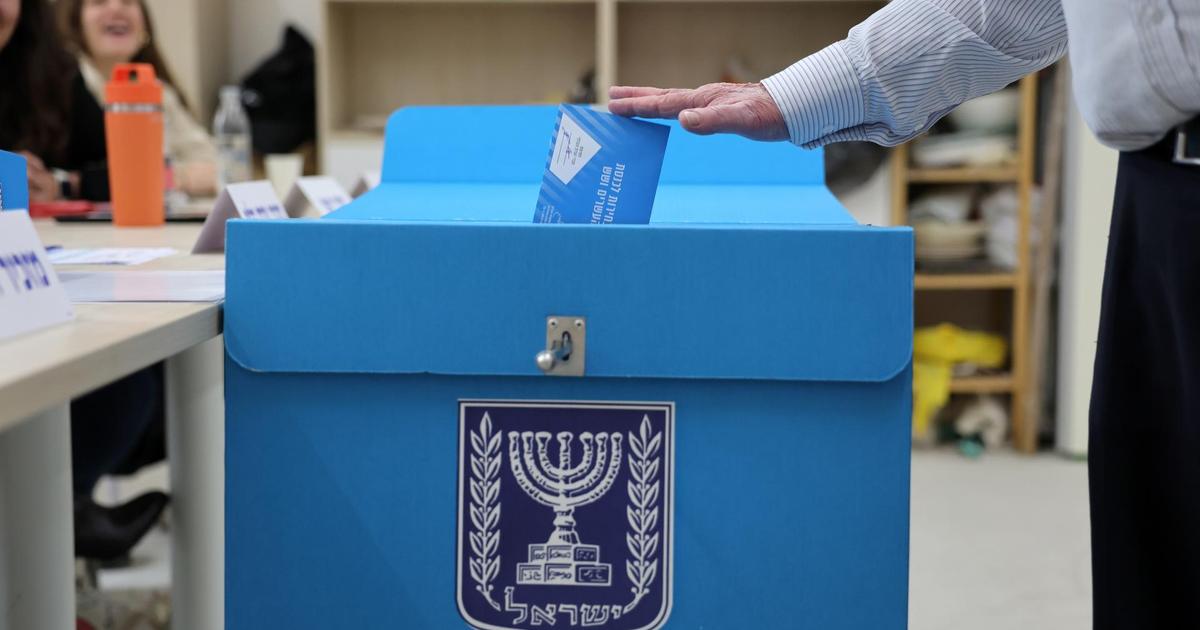
After this Tuesday’s elections in Israel, one piece of information puts the ruling party against its ropes and in an uncomfortable position: the Arab parties hold the key to the next government. Benjamin Netanyahu’s Likud was the first force, with 27 seats, but the prime minister’s bloc remained at 53, against 48 for the opposition bloc headed by Gadi Eisenkot. In the Knesset, with 120 seats, 61 are needed to govern. In the middle were the Arab forces, who achieved their best historical election, with between 18 and 19 deputies according to the partial count.
Israel’s Arab citizens came into focus in the first election since the Hamas attack on October 7, 2023, after three years in which the gap with the Jewish majority deepened and many of them were stigmatized and equated with terrorists.
Who are Israeli Arabs and how much do they weigh?
They are Palestinians with Israeli citizenship, mostly descendants of those who stayed within the state’s borders in 1948. They represent 20% of the population, about 2.15 million people, and 17% of the electorate.
Its weight always depended on how many were going to vote. Historically, their participation was low, due to the feeling of abandonment by whoever governs or the rejection of a State born from the expulsion of their Palestinian compatriots. In the previous election, 53% voted, against 70.6% of the total. This time they broke that trend: Arab participation was around an unprecedented 80%.
Behind this mobilization the objective was to remove Netanyahu’s ultranationalist and religious coalition from power. It was the response to four years of a government that, according to its critics, did nothing against the wave of organized crime violence in Arab cities and deepened inequality and exclusion.
In the campaign, Netanyahu and his most extreme ministers, Itamar Ben-Gvir and Bezalel Smotrich, presented Israeli Arabs as a threat to the state. Smotrich even proposed a plan to “Judaize” areas near Nazareth and the south of the country.
The Joint List and Raam: the two Arab parties of Israel
Israeli Arabs voted divided into two options, with very different positions on what to do now.
The Joint List. It brings together Hadash, a Jewish-Arab group of communist inspiration; Balad, a Palestinian nationalist party, and Ta’al, led by Ahmad Tibi. With 85% of the votes counted, it is projected to have 12 seats. Its leader, Yousef Jabareen, told Reuters that the objective is to “facilitate the departure of Netanyahu’s government.” But he ruled out integrating an Eisenkot government with parties that support the offensive in Gaza, the occupation of southern Lebanon or the expansion of settlements in the West Bank.
The United Arab List (Raam). The Islamist party of Mansour Abbas, projected with 7 seats, is the most pragmatic. It already has government experience: it was the only Arab party that formed a coalition in Israel, that of Naftali Bennett and Yair Lapid, for 18 months between 2021 and 2022, in which Abbas was deputy minister. Before the election he claimed to have discussed a possible agreement with leaders around Eisenkot. “We are here, we are not on the sidelines,” he said Tuesday night, maintaining that the majority of opposition voters want a government that includes Raam.
What do they ask for in exchange for their support?
The Joint List would not enter the government, but it could allow a minority to take office, abstaining from the investiture vote. Its price, according to Jabareen, is “to protect our community, promote their rights and promote equality.” Specifically, combat organized crime, increase funding and opportunities in Arab communities, and resume peace negotiations to create a Palestinian state. This last condition is the most difficult: both the ruling party and the opposition rejected it during the campaign.
Before the election, the campaign director of the Joint List, Mauricio Lapchik, had already anticipated that the support “will not be free,” and added another demand: stopping settler violence against Palestinians in the West Bank.
The labyrinth of opposition
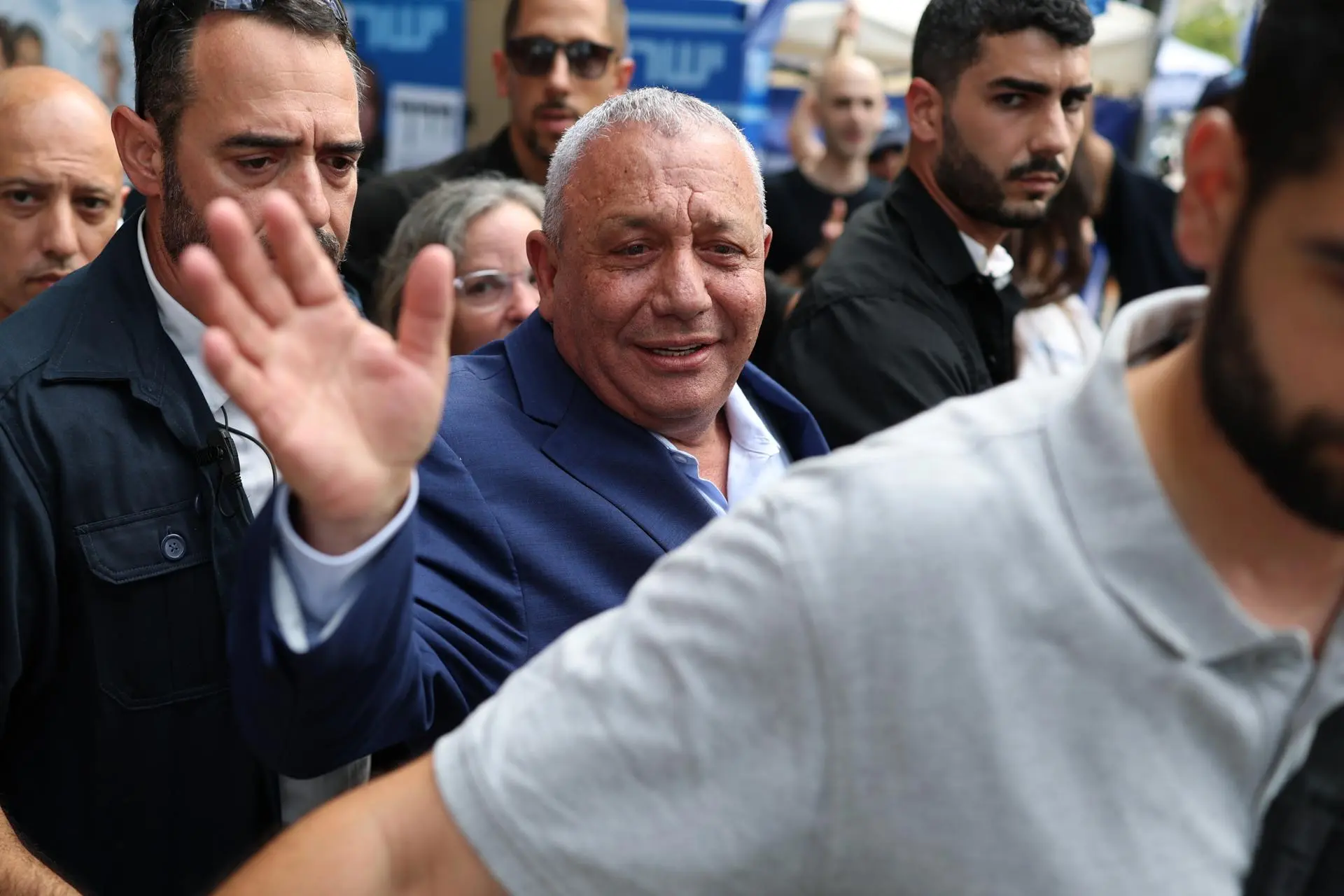
The problem is that the opposition locked itself in its own labyrinth. Eisenkot, former head of the Army and leader of the center-right Yashar party, practically ruled out governing with Arab parties during the campaign. “I don’t want the support of the Arab parties and I don’t ask them to support me,” he told the Times of Israel. He set conditions for any alliance, such as recognizing Israel as a Jewish state and Hamas as an extremist group.
Two other potential partners were even more blunt. Naftali Bennett, who leads the B’Yachad (Together) alliance with Yair Lapid, and the right-wing Avigdor Liberman, of Yisrael Beitenu, described any agreement with the Arabs as illegitimate after October 7, without noticing that there were also Arab citizens of Israel among the dead and the Hamas hostages. According to the Crisis Group think tank, this rejection is not new, but since the attack it has become a political consensus, fueled by Netanyahu, who insists that his rivals can only displace him if they ally themselves with the Arabs.
The only different voice in the opposition bloc is that of Yair Golan, leader of The Democrats, who brings together what remains of the historic Labor Party and Meretz. “We have no future here if we do not stop being afraid,” he warned this Wednesday, and called for leaving behind “Netanyahu’s racist division between Jewish votes and Arab votes.” For academic Alberto Spectorovsky, Eisenkot can say that he does not love the Arabs, but “there are no other options.”
Likud denounces a “theft”
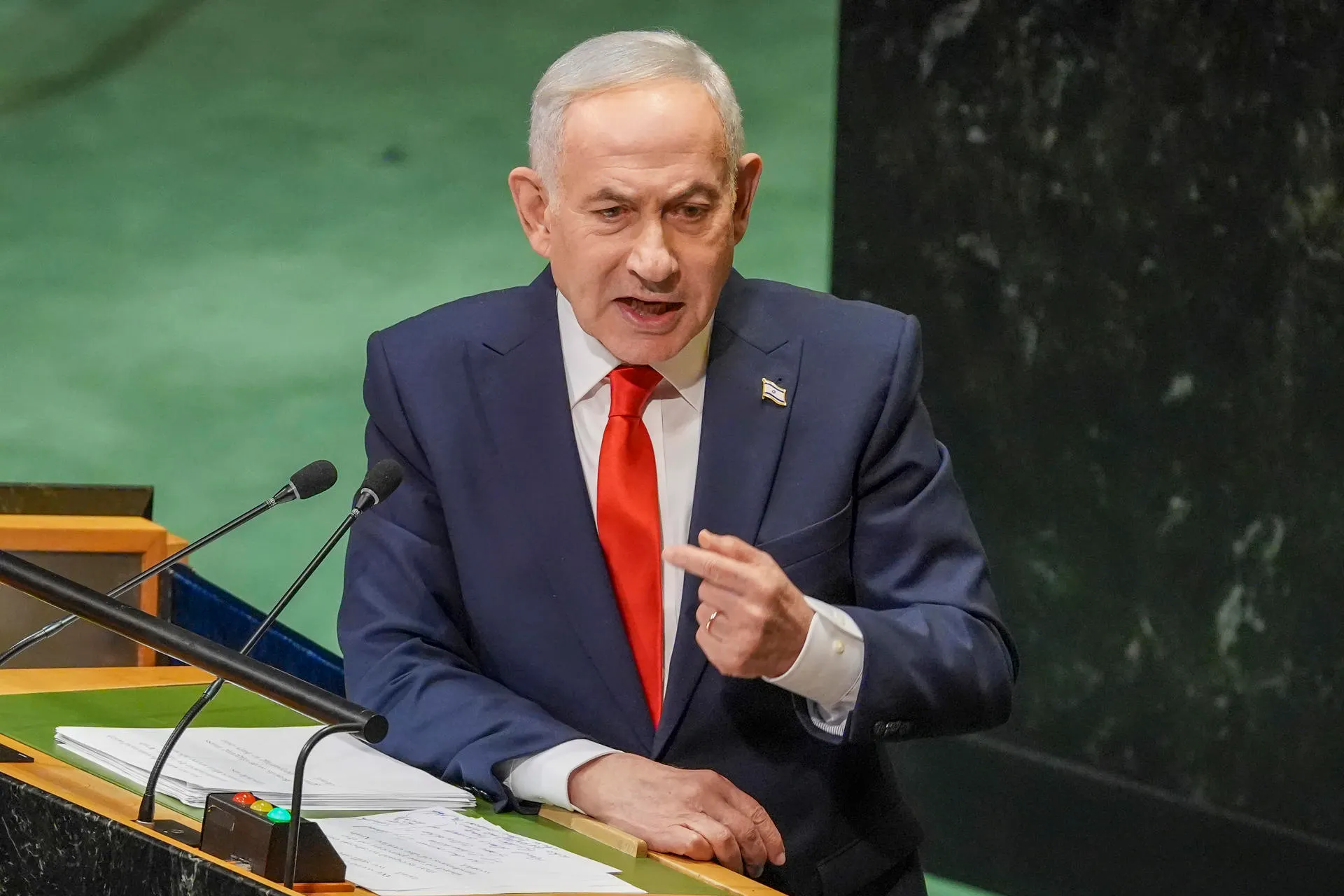
Far from moderating, the Likud redoubled its bet. “The elections in Israel were stolen by Arab parties that support terror and the elimination of the Jewish State,” the party said in a statement, in which it denounced bribery, threats, violence, forgery and the use of illegal computer programs to mobilize voters. He claimed to have “hundreds of testimonies” and evidence delivered to the Police and the Shin Bet, such as envelopes with money and Raam ballots and cases of double voting.
Several election officials rejected allegations of fraud. The Central Election Commission confirmed that it received the Likud complaint and is examining it as part of its regular checks. The official results will be known on November 4.